Yoga for altitude acclimatization offers a natural solution for trekkers and mountaineers facing the challenges of high elevation. When ascending to heights above 8,000 feet, our bodies struggle with decreased oxygen levels, often leading to altitude sickness.
This article explores how specific yoga techniques can prepare your body for high-altitude environments, enhance respiratory efficiency, and improve your overall trekking experience. Whether you’re planning your first mountain trek or you’re a seasoned climber, incorporating yoga into your preparation can make a significant difference in how your body adapts to thin air.
Understanding Altitude Challenges
Before diving into yoga solutions, let’s understand what happens to your body at high altitudes:
- Oxygen levels decrease significantly as you climb higher, forcing your body to work harder.
- Your breathing rate increases to compensate for lower oxygen availability.
- Blood thickens as your body produces more red blood cells to carry limited oxygen.
- Dehydration occurs more rapidly due to increased respiratory water loss.
Most trekkers experience some form of altitude-related discomfort when climbing above 8,000 feet. These symptoms can range from mild headaches to the more serious acute mountain sickness (AMS). The best yoga for trekkers addresses these challenges directly through breathing techniques and specific postures.
How Yoga Supports Altitude Adaptation
Yoga for high altitude preparation works through multiple pathways in your body. The ancient practice offers a comprehensive approach to altitude acclimatization through:
Respiratory Efficiency
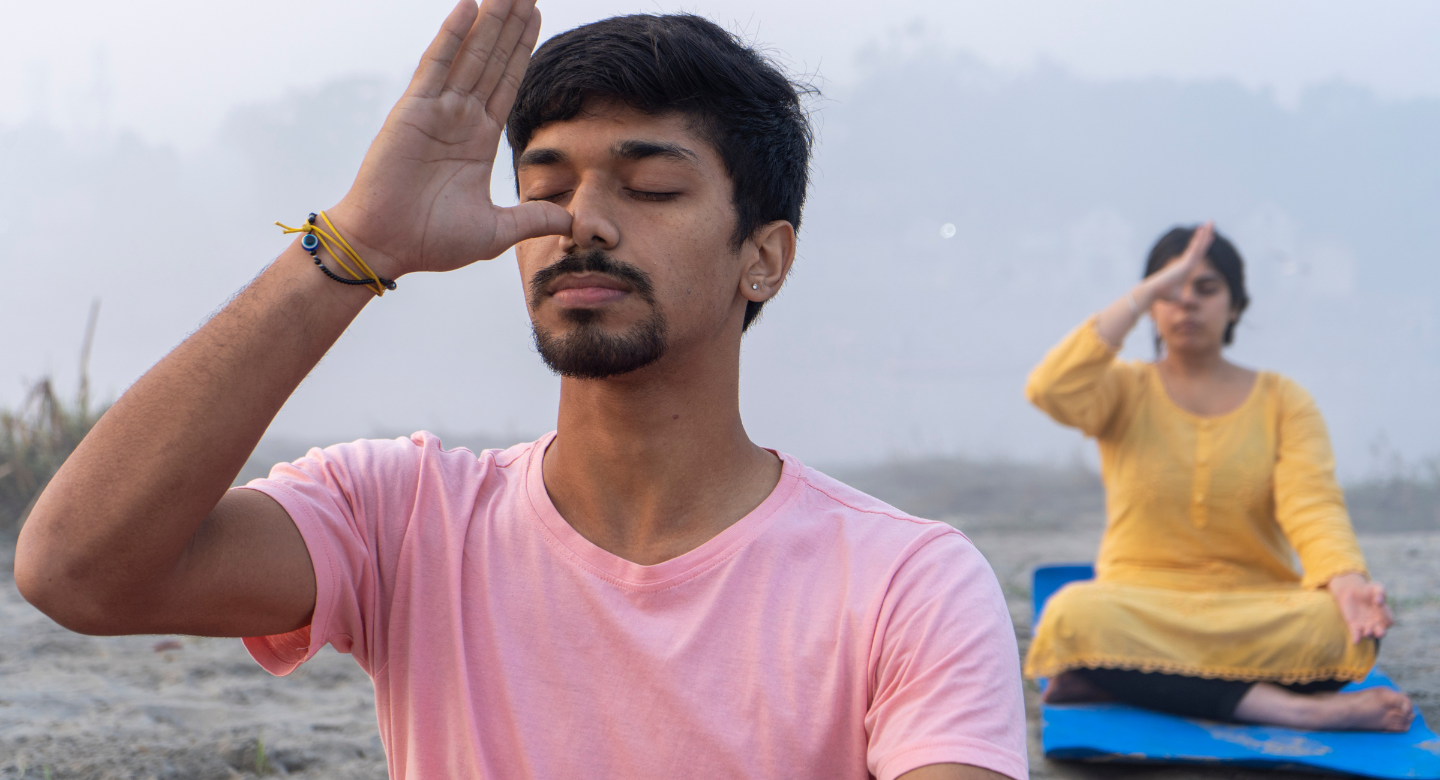
Pranayama (yogic breathing exercises) trains your lungs to function more efficiently. These techniques help you:
- Increase lung capacity through controlled expansion and contraction.
- Strengthen your diaphragm for more powerful breathing.
- Improve oxygen uptake efficiency at the cellular level.
- Reduce your respiratory rate while maintaining adequate oxygenation.
Practicing pranayama regularly before your trek can help your body use available oxygen more effectively. The best yoga for trekkers includes breathing exercises that can be performed both during preparation and while on the trail.
Enhanced Circulation
Specific yoga poses improve blood circulation throughout your body, helping with:
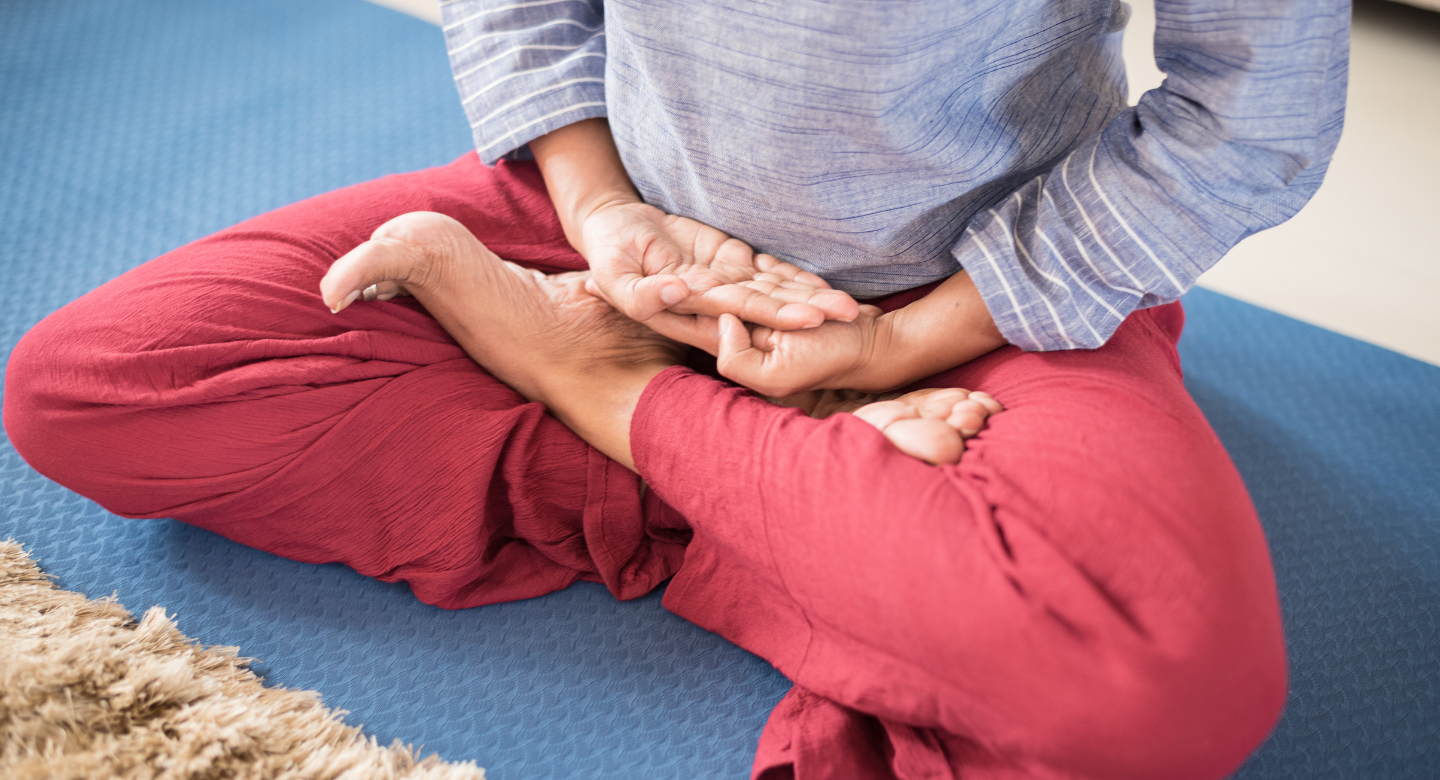
- Delivery of oxygen to muscles and organs that need it most.
- Removal of metabolic waste products that can build up during exertion.
- Reduction of swelling in extremities that often occurs at altitude.
- Maintenance of proper blood pressure despite altitude-induced changes.
Yoga for mountain trekking should include inversions and gentle twists to promote healthy circulation. These poses help your cardiovascular system adapt to the challenges of high-altitude environments.
Best Yoga Practices for Altitude Preparation
Breathing Techniques
The foundation of yoga for altitude acclimatization starts with these essential breathing practices:
1. Alternate Nostril Breathing (Nadi Shodhana)

This balancing breath helps regulate your nervous system while improving respiratory efficiency.
- Sit comfortably and use your right thumb to close your right nostril.
- Inhale slowly through your left nostril, then close it with your ring finger.
- Open your right nostril and exhale completely.
- Inhale through the right nostril, close it, and exhale through the left.
- Continue this alternating pattern for 5-10 minutes daily.
2. Deep Diaphragmatic Breathing (Dirga Pranayama)
This three-part breath maximizes lung capacity and oxygen intake.

- Lie on your back and place one hand on your belly, the other on your chest.
- Inhale deeply, first filling your lower belly, then mid-chest, and finally upper chest.
- Exhale slowly, emptying your lungs completely before beginning again.
- Practice for 10 minutes daily to strengthen your respiratory muscles.
Yoga for high altitude should emphasize these breathing techniques both before and during your trek. Even 5-10 minutes of practice while at rest stops can help maintain oxygen efficiency.
Key Postures
The best yoga for trekkers includes poses that open the chest, strengthen the core, and enhance balance:
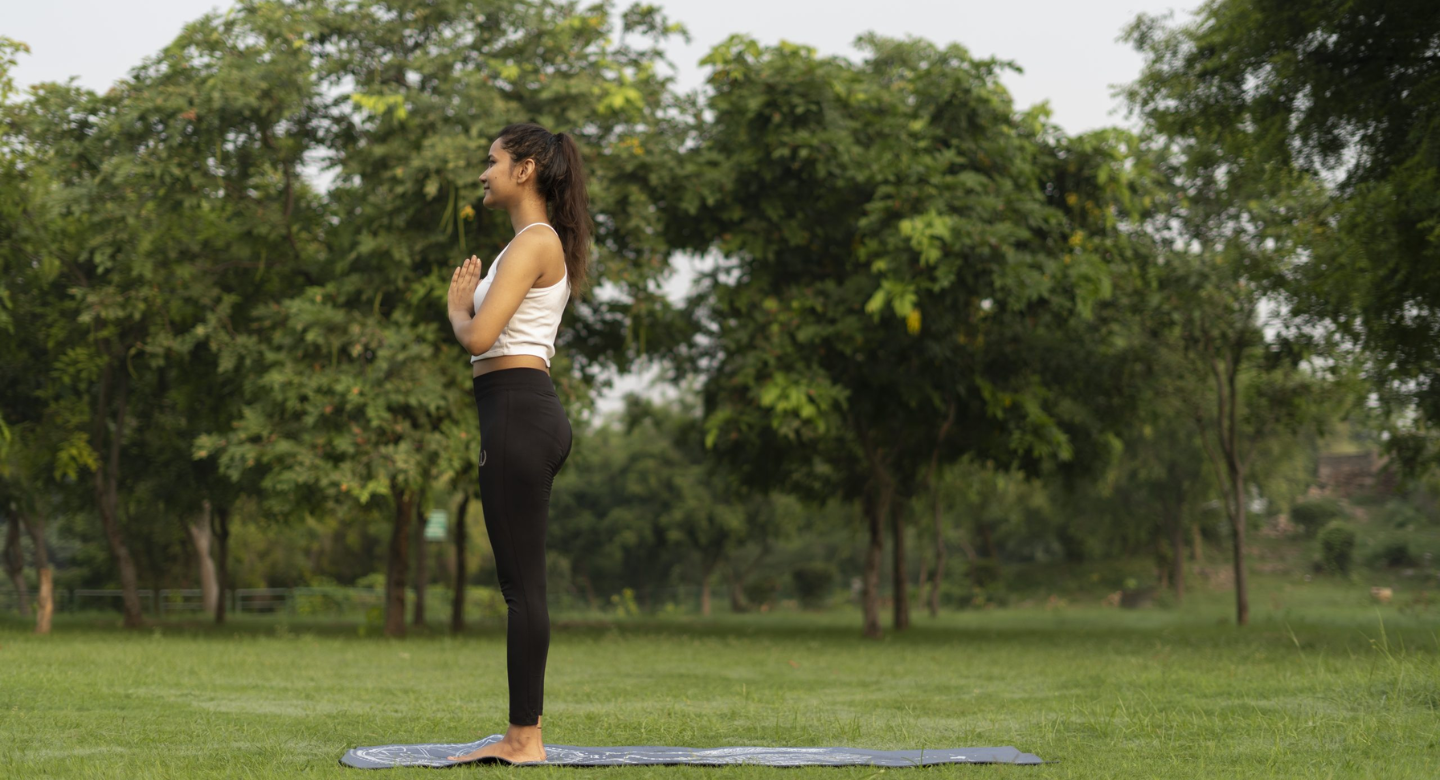
Mountain Preparedness Sequence
- Mountain Pose (Tadasana)
- Stand tall with feet hip-width apart and arms at your sides.
- Engage your leg muscles, tuck your tailbone slightly, and lift through your crown.
- This foundational pose improves posture and body awareness for trekking.
- Warrior I (Virabhadrasana I)
- Step one foot back, turn it at an angle, and bend your front knee.
- Raise your arms overhead while expanding your chest.
- This pose builds leg strength and improves lung capacity.
- Bridge Pose (Setu Bandhasana)
- Lie on your back with knees bent and feet flat on the floor.
- Lift your hips while keeping your shoulders on the ground.
- This gentle backbend opens the chest and improves circulation.
- Seated Spinal Twist (Ardha Matsyendrasana)
- Sit with legs extended, bend one knee and place it outside the opposite thigh.
- Twist toward the bent knee, using your arm for leverage.
- Twists massage internal organs and improve digestion, which often suffers at altitude.
Yoga for mountain trekking should be practiced regularly in the weeks leading up to your adventure. Even a 20-minute daily routine can significantly improve your body’s readiness for high altitudes.
On-Trail Yoga Practices
Once you’re on your trek, yoga for altitude acclimatization becomes even more important. Here’s how to incorporate yoga during your journey:
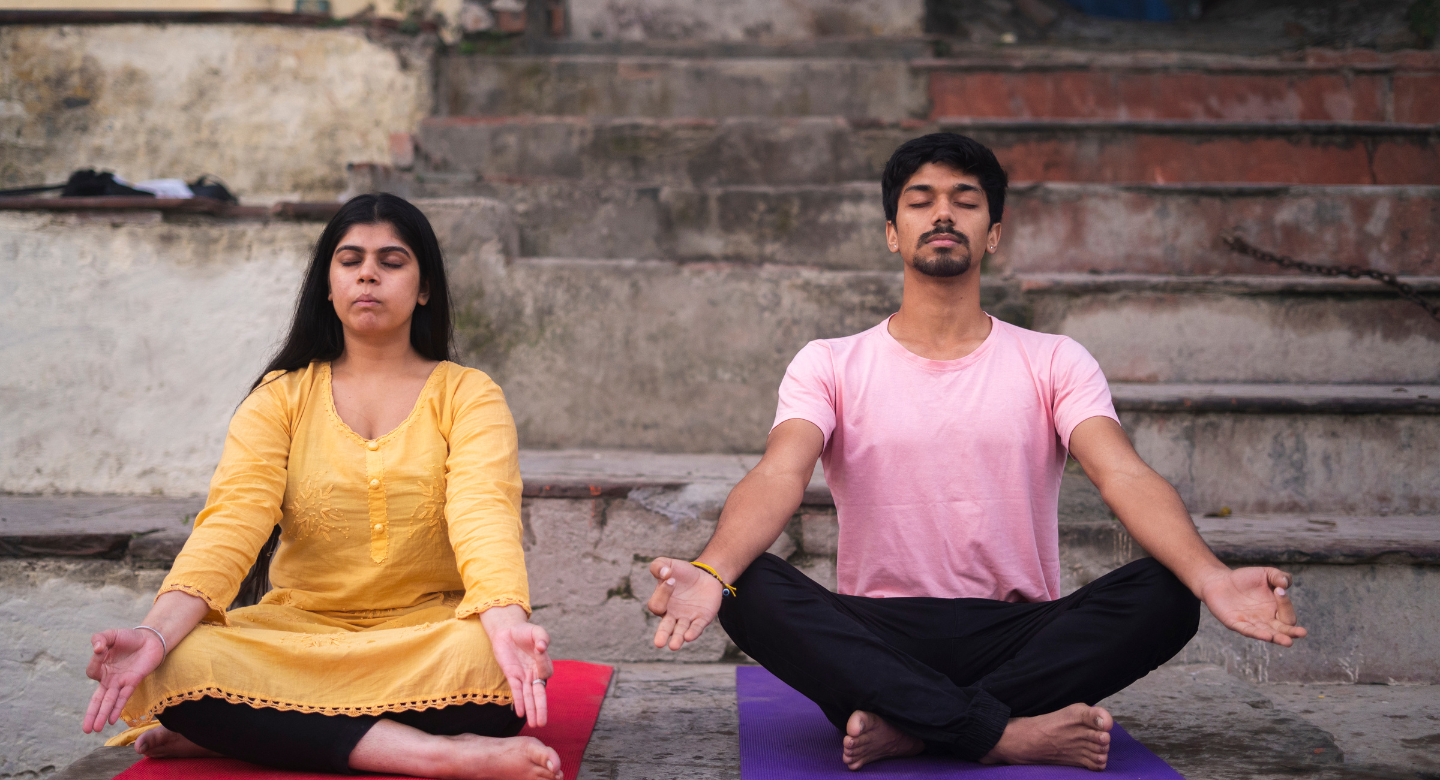
Morning Routine (5-10 minutes)
- Begin each day with 5 minutes of deep breathing to oxygenate your system.
- Perform gentle stretches to relieve muscle stiffness from the previous day’s trek.
- Include a brief meditation to center yourself and set intentions for the day.
Rest Stop Practices (2-3 minutes)
- During brief stops, practice standing forward folds to restore energy.
- Take 10 deep breaths whenever you feel short of breath or fatigued.
- Roll your shoulders and neck to release tension from carrying backpacks.
Evening Recovery (10-15 minutes)
- End each day with gentle yoga poses focusing on the legs and lower back.
- Practice legs-up-the-wall pose to reduce swelling and promote circulation.
- Finish with a body scan meditation to enhance recovery while you sleep.
The best yoga for trekkers includes these portable practices that can be done anywhere, even in a tent or small guesthouse room.
Creating Your Altitude Yoga Plan
To effectively use yoga for high altitude preparation, follow this timeline:
- 8 Weeks Before: Begin regular yoga practice 3-4 times weekly, focusing on building respiratory efficiency and core strength.
- 4 Weeks Before: Increase pranayama practice, particularly alternate nostril breathing and deep diaphragmatic breathing.
- 2 Weeks Before: Practice yoga sequences that mimic the movements you’ll use while trekking.
- During Trek: Implement morning, rest stop, and evening mini-practices to support ongoing acclimatization.
Remember that consistency matters more than duration. Even short daily practices can significantly improve your body’s ability to adapt to altitude changes.
Beyond Physical Benefits
Yoga for altitude acclimatization extends beyond just physical preparation. The mental aspects of yoga practice can help you:
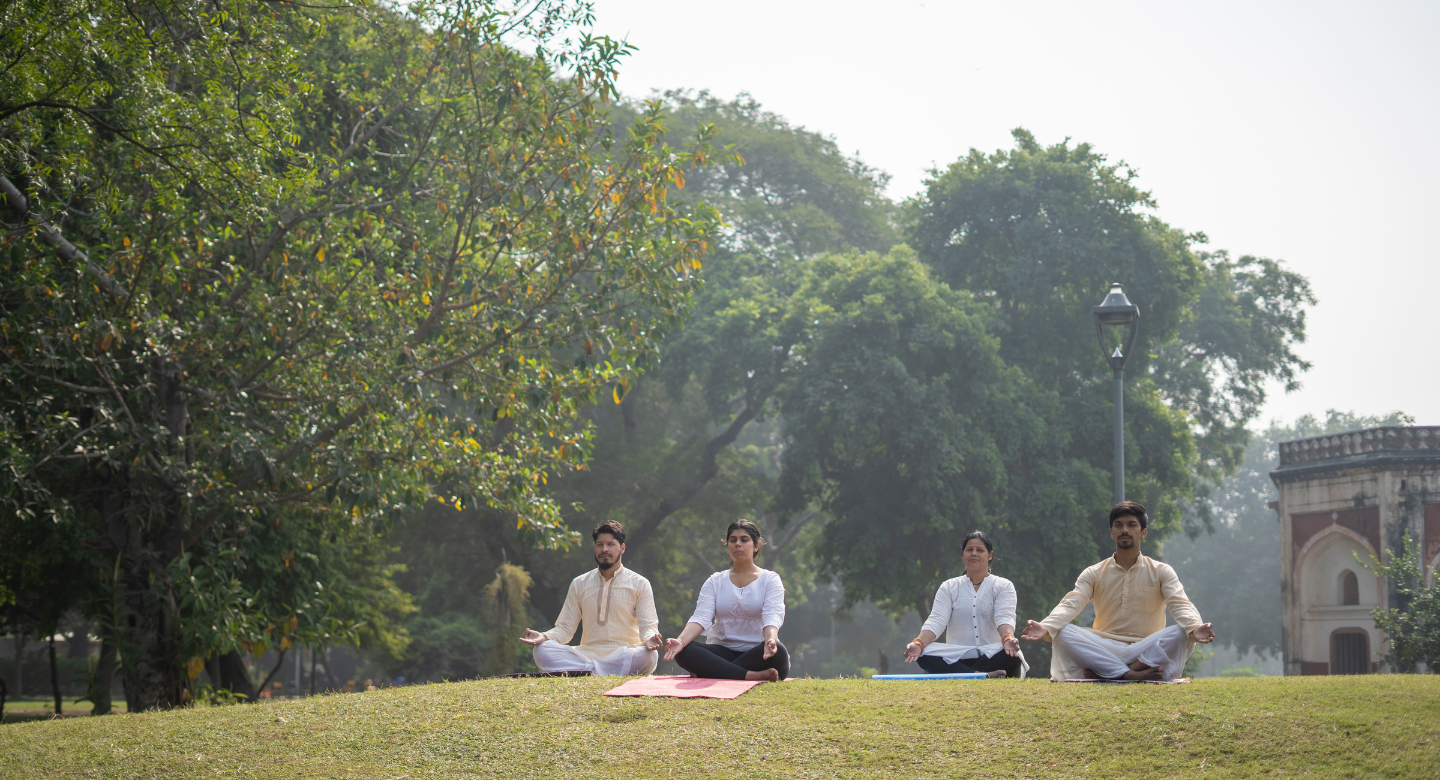
- Manage anxiety about altitude sickness through mindfulness techniques.
- Develop mental resilience to push through challenging sections of your trek.
- Improve sleep quality, which often suffers at high altitudes.
- Maintain a positive mindset when facing physical challenges.
These psychological benefits complement the physiological advantages, creating a comprehensive approach to high-altitude adaptation.
Combining Yoga with Other Acclimatization Strategies
For best results, integrate yoga for mountain trekking with these proven acclimatization strategies:
- Gradual ascent (no more than 1,000-1,500 feet per day above 8,000 feet)
- Proper hydration (drinking 3-4 liters of water daily)
- Adequate rest days (following the “climb high, sleep low” principle)
- Appropriate nutrition (focusing on carbohydrates for efficient energy)
Yoga enhances these traditional approaches by preparing your body at the cellular level for the stress of high elevation.
Conclusion On Yoga for Altitude Acclimatization – Breathe Better, Trek Higher
Yoga for altitude acclimatization provides a natural, accessible approach to preparing your body for high-elevation adventures. By improving respiratory efficiency, enhancing circulation, and building physical and mental resilience, regular yoga practice can significantly improve your trekking experience. The best yoga for trekkers combines specific breathing techniques with targeted postures that address the unique challenges of high-altitude environments.
As you plan your next mountain adventure, consider incorporating these yoga practices into your preparation routine. Not only will they help you acclimatize more efficiently, but they’ll also enhance your overall trekking experience by keeping your body flexible, strong, and responsive to the demands of mountain terrain. Start your yoga practice today, and discover the difference it can make in your high-altitude journeys.
Explore More Such Blogs
10 Exercises to help you carry your backpack easily
5 Knee strengthening exercises to do before a trek
Frequently Asked Questions (FAQs) About Yoga for Altitude Acclimatization – Breathe Better, Trek Higher
How long before my trek should I start practicing yoga for altitude acclimatization?
Ideally, begin your yoga practice 6-8 weeks before your high-altitude trek for best results. Even starting 3-4 weeks before can provide significant benefits.
Can yoga alone prevent altitude sickness?
While yoga can significantly improve your body’s adaptation to altitude, it works best when combined with traditional acclimatization strategies like gradual ascent, proper hydration, and adequate rest.
Which breathing technique is most effective for altitude preparation?
Alternate nostril breathing (Nadi Shodhana) and deep diaphragmatic breathing (Dirga Pranayama) are particularly effective for improving oxygen efficiency at high altitudes.
How often should I practice yoga during my trek?
Brief 5-10 minute sessions in the morning and evening, plus 2-3 minute mini-practices during rest stops, can help maintain acclimatization benefits throughout your journey.
Are there specific yoga poses I should avoid at high altitude?
At very high altitudes (above 12,000 feet), avoid intense inversions and breath retention practices that might further stress your cardiovascular system. Focus instead on gentle poses and regulated breathing.
Can beginners benefit from yoga for high altitude preparation?
Absolutely! Even simple breathing practices and basic poses can improve respiratory efficiency. Start with gentle techniques and gradually build your practice.
How does yoga help with altitude headaches?
Yoga’s breathing techniques increase oxygen efficiency while certain poses improve circulation, helping to reduce the severity of altitude-related headaches and discomfort.
Can I practice yoga if I’m already experiencing altitude sickness?
If experiencing mild symptoms, gentle breathing practices may help. However, for moderate to severe altitude sickness, descend immediately and seek medical help before resuming any practices.
Which yoga styles are best for altitude preparation?
Hatha, Vinyasa, and Kundalini yoga all offer beneficial practices for altitude preparation. The key is finding a style that emphasizes both breathing techniques and poses that open the chest.
How do I know if my yoga practice is effectively preparing me for altitude?
Signs of improved altitude readiness include better breath control during exertion, increased stamina, reduced breathing rate during rest, and improved recovery after exercise.