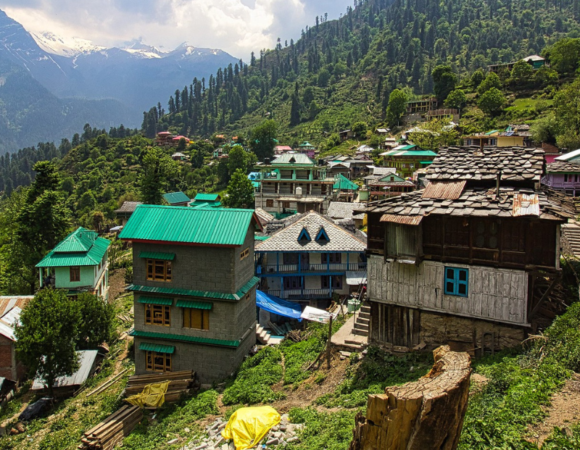
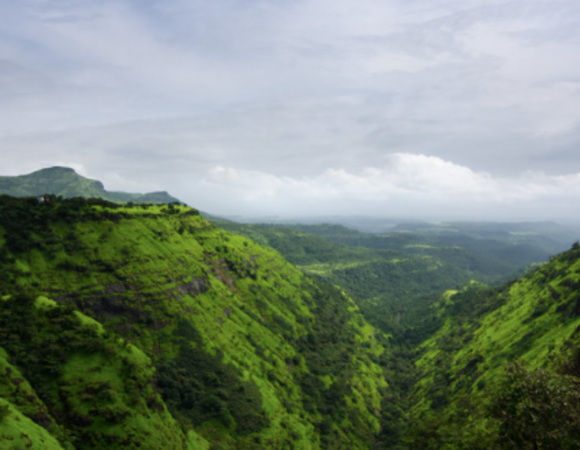
September trekking in India presents a magical window of opportunity that savvy trekkers shouldn’t miss. As the monsoon retreats and autumn begins its gentle embrace, the Indian subcontinent transforms into a trekker’s paradise. The landscape awakens with vibrant greens, waterfalls cascade down rejuvenated mountains, and the air carries the crisp promise of cooler days ahead.
September offers some of the most rewarding trekking experiences with fresh landscapes and fewer crowds. Unlike the peak tourist months of October and November, September provides an intimate encounter with nature in its post-monsoon glory, where every valley echoes with the sound of flowing streams and every ridge offers crystal-clear views of distant peaks.
September Weather in Trekking Regions
Himalayan Weather Patterns
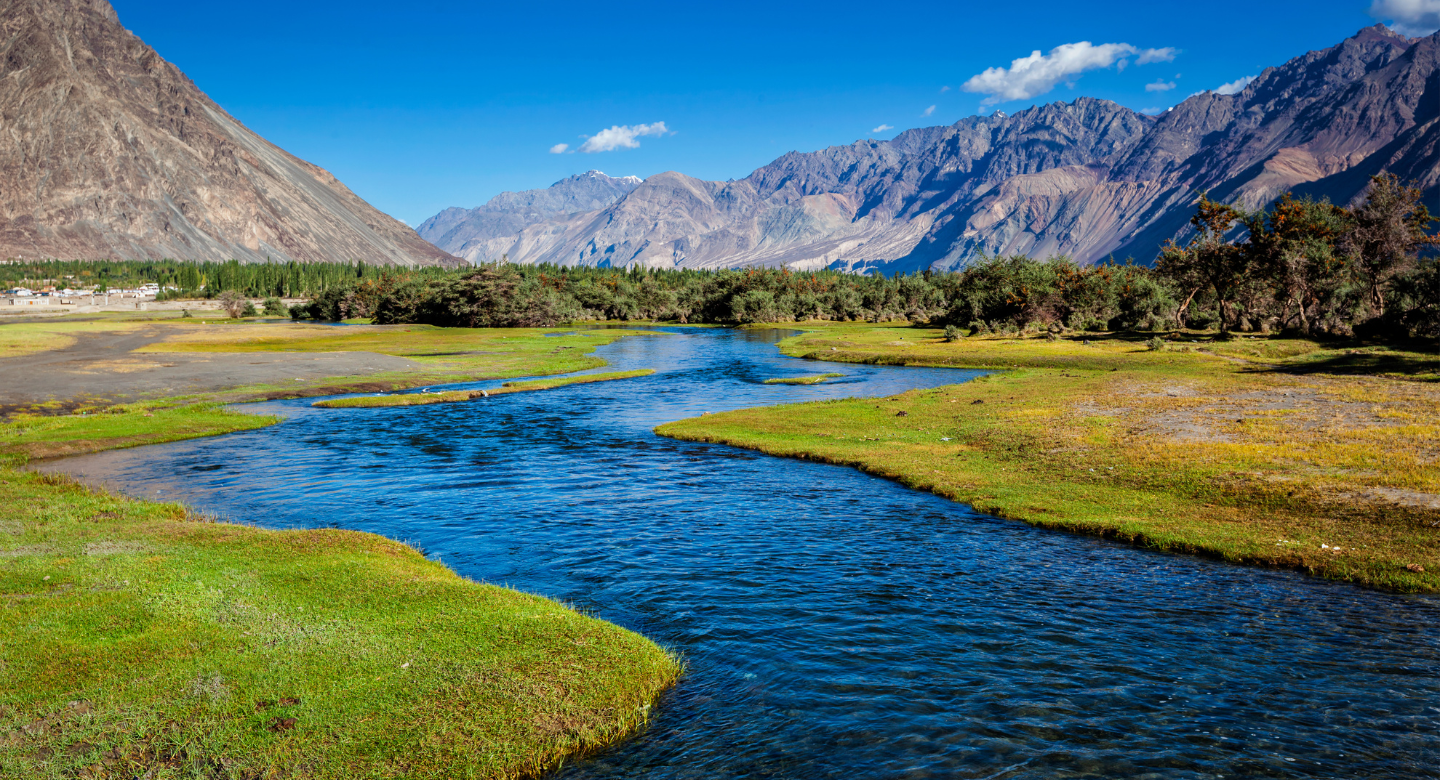
The Himalayan treks in September benefit from ideal weather conditions as the region transitions from the wet monsoon to the dry autumn season. Temperatures during the day range from comfortable 15-20°C at moderate altitudes, while nights can drop to 5-10°C. The post-monsoon atmosphere brings exceptional clarity, offering stunning views of snow-capped peaks that were often shrouded in clouds during the rainy season.
The retreating monsoon leaves behind a landscape washed clean, with enhanced visibility extending up to 100 kilometers on clear days. Morning mist often blankets valleys before lifting to reveal panoramic vistas that photographers and nature enthusiasts cherish.
Regional Variations
While the Himalayas enjoy their post-monsoon renaissance, the Western Ghats experience a different rhythm. The mountains of Karnataka, Tamil Nadu, and Kerala still receive occasional showers, maintaining their lush green canopy. This creates diverse trekking opportunities across the country, from the alpine meadows of Himachal Pradesh to the tropical forests of the Western Ghats.
The northeastern ranges also present favorable conditions, with reduced rainfall and stable weather patterns making remote treks more accessible.
Challenges of Trekking in September

Trail Conditions
Post-monsoon trails present unique challenges that trekkers must navigate carefully. Recent rainfall makes rock surfaces and wooden bridges particularly slippery, requiring extra caution and appropriate footwear with good grip. Stream crossings become more frequent and potentially hazardous, as water levels remain elevated from monsoon runoff.
Muddy sections are common, especially in forested areas and valley approaches. Trekkers should expect to encounter waterlogged patches and should be prepared for potentially messy conditions that can slow progress.
Weather Unpredictability
While September generally offers stable weather, occasional rain showers remain a possibility, particularly in the first half of the month. These sudden downpours can catch unprepared trekkers off-guard, making waterproof gear essential rather than optional.
Altitude Considerations
The clear skies and comfortable temperatures of September can sometimes mask altitude-related challenges. The improved weather conditions may encourage faster ascents, but proper acclimatization remains crucial for high-altitude treks. The temptation to cover more ground in pleasant conditions can lead to altitude sickness if climbers don’t respect the mountain’s demands.
Best Treks in September
Himalayan Treks in September
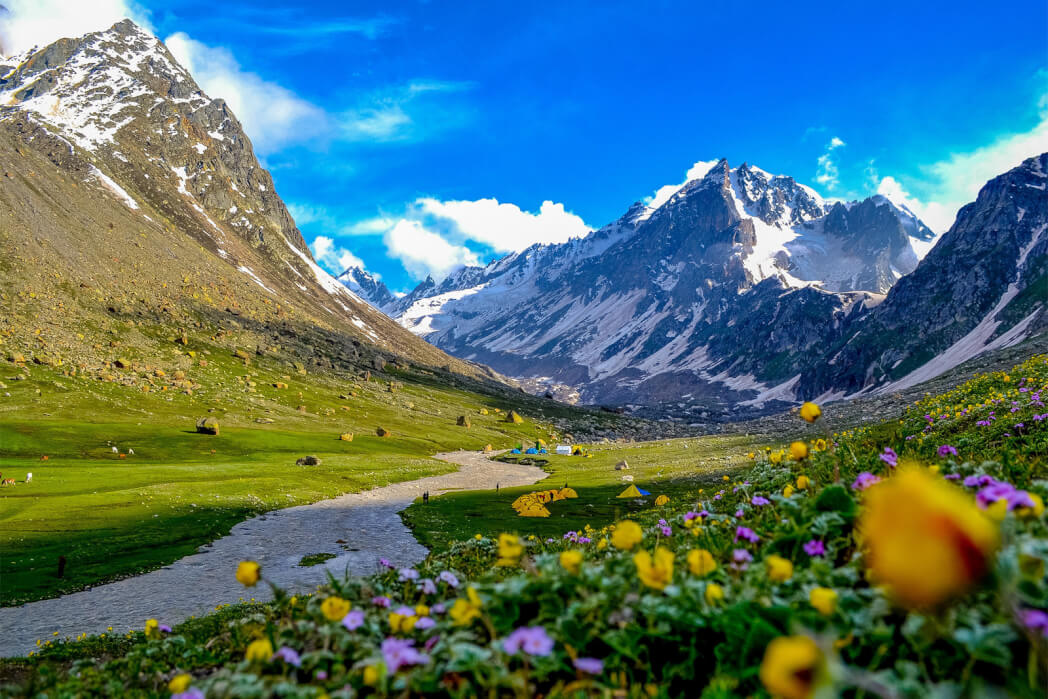
Hampta Pass Trek (Himachal Pradesh) This spectacular circuit offers the perfect introduction to high-altitude trekking in September. The contrast between the green Kullu Valley and the stark Lahaul landscape becomes even more pronounced post-monsoon, with crystal-clear streams and vibrant meadows creating unforgettable memories.
Bhrigu Lake Trek (Himachal Pradesh) September transforms this alpine lake into a mirror reflecting the surrounding peaks. The trail passes through lush green meadows dotted with wildflowers, while the lake itself sits like a jewel at 4,300 meters, often partially frozen even in September’s mild weather.
Kashmir Great Lakes Trek (Jammu & Kashmir) Arguably one of India’s most beautiful treks, the chain of seven alpine lakes reaches peak magnificence in September. Each lake – Vishansar, Krishansar, Gadsar, Satsar, Gangbal, Nundkol, and Tulian – reflects the surrounding peaks with pristine clarity that the post-monsoon atmosphere enhances.
Valley of Flowers & Hemkund Sahib (Uttarakhand) September marks the tail end of the blooming season, but the valley still retains much of its floral splendor. The reduced crowds allow for more intimate experiences with nature, while the clear weather provides excellent opportunities for photography.
Dayara Bugyal (Uttarakhand) These expansive alpine meadows showcase their full glory in September, with carpet-like grasslands extending to the horizon. The trek offers 360-degree views of major Garhwal peaks, including Bandarpoonch, Black Peak, and Draupadi ka Danda.
Western Ghats Adventures
Kudremukh Trek (Karnataka) The rolling hills of Kudremukh present a different but equally rewarding September experience. The grasslands remain emerald green from recent rains, while the cooler temperatures make the challenging terrain more manageable.
Tadiandamol Trek (Karnataka) Coorg’s highest peak offers misty mornings and clear afternoons in September, with coffee plantations and dense forests creating a tropical trekking experience that contrasts beautifully with Himalayan adventures.
These represent the best treks in September in India, each offering unique landscapes and challenges that showcase the country’s diverse mountain ecosystems.
Essential Trekking Tips for September
Clothing and Gear Checklist
Layering System:
- Base layer: Moisture-wicking synthetic or merino wool
- Insulating layer: Fleece or down jacket for altitude
- Outer layer: Waterproof and breathable shell jacket
Footwear:
- Waterproof trekking boots with aggressive tread patterns
- Gaiters to keep debris and water out
- Quick-dry socks (carry extras)
Rain Protection:
- Quality rain jacket and pants
- Waterproof pack cover or dry bags for electronics
- Waterproof gloves for cold, wet conditions
Weather Preparedness Strategies
The key to successful trekking tips for September lies in expecting variability. Pack for multiple weather scenarios within a single day. Morning frost, afternoon sunshine, and evening showers can all occur on the same trek.
Waterproofing becomes crucial not just for personal comfort but for safety. Wet gear loses insulating properties rapidly, increasing hypothermia risk at altitude. Ensure all electronic devices, spare clothing, and sleeping gear remain dry through proper packing techniques.
Safety Considerations
Post-monsoon trails require heightened awareness. Test each step on wet rocks, use trekking poles for stability, and maintain safe distances when crossing streams. The increased water flow can make previously easy crossings dangerous.
Eco-Friendly Trekking
September’s renewed landscape deserves extra protection. Follow Leave No Trace principles strictly:
- Pack out all waste, including organic matter
- Stay on designated trails to prevent erosion
- Avoid picking flowers or disturbing wildlife
- Use biodegradable soaps away from water sources
- Respect local communities and their resources
Why Choose September for Trekking
Landscape Transformation
September reveals India’s mountains in their most photogenic state. The monsoon has washed away dust and haze, leaving air so clear that distant peaks appear within arm’s reach. Waterfalls that barely trickled in pre-monsoon months now cascade with impressive force, creating natural symphonies that accompany every step.
The vegetation reaches peak lushness without the oppressive humidity of monsoon months. Rhododendrons, primulas, and countless alpine flowers create natural gardens at high altitudes, while lower elevations showcase dense forests in their full glory.
Fewer Crowds, Greater Solitude
Unlike the bustling trails of October and November, September offers a more contemplative trekking experience. Popular routes see significantly fewer trekkers, allowing for deeper connections with nature and local communities. Campsites that might be crowded in peak season provide ample space for peaceful evenings under star-filled skies.
Economic Advantages
September represents excellent value for trekkers. Accommodation rates remain lower than peak season prices, while transportation costs haven’t yet inflated for the autumn rush. Local services are readily available without the premium pricing that accompanies high-demand periods.
Photography Opportunities
The combination of clear air, dramatic lighting, and lush landscapes makes September ideal for photography enthusiasts. The low-angle September sun creates warm, golden light that enhances mountain landscapes, while the contrast between green valleys and snow-capped peaks provides stunning compositions.
Ready to experience the magic of September trekking in India?
September stands as one of India’s most underrated trekking months, offering a perfect balance of favorable weather, spectacular scenery, and authentic mountain experiences. The post-monsoon landscape presents challenges that build character while rewarding trekkers with some of the most beautiful vistas the subcontinent has to offer.
Whether you’re drawn to the high-altitude lakes of Kashmir, the rolling meadows of Himachal Pradesh, or the tropical forests of the Western Ghats, September provides the ideal conditions for memorable adventures. The month offers that rare combination of accessible trails, comfortable weather, and extraordinary natural beauty that defines truly great trekking experiences.
Ready to experience the magic of September trekking in India? Pick your trail, prepare well with the right gear and mindset, and step into a world where every sunrise brings new wonders and every sunset leaves you planning your next mountain adventure. The trails are calling, and September is the perfect time to answer.
Explore More Such Blogs
Why Nanda Devi Peak Reopening is a Bad Idea
How to Stay Safe During Monsoon Treks
Frequently Asked Questions (FAQs) September Trekking Guide
Is September a good month for trekking in India?
Yes, September is excellent for trekking as it offers post-monsoon clarity, lush landscapes, comfortable temperatures, and fewer crowds compared to peak season months.
What should I pack for September treks?
Pack layered clothing, waterproof rain gear, sturdy trekking boots with good grip, warm jacket for altitude, and waterproof bags for electronics and spare clothes.
Are trails safe after monsoon in September?
Trails are generally safe but require extra caution due to slippery rocks, muddy sections, and swollen streams. Proper footwear and trekking poles are essential.
Which Himalayan treks are best in September?
Top choices include Hampta Pass, Kashmir Great Lakes, Bhrigu Lake, Valley of Flowers, and Dayara Bugyal – all offering spectacular post-monsoon views.
Does it rain during September treks?
Occasional light showers are possible, especially in early September. Always carry waterproof gear and check weather forecasts before departure.
What temperatures can I expect in September?
Day temperatures range from 15-20°C at moderate altitudes, dropping to 5-10°C at night. Higher altitudes will be significantly cooler.
Are permits required for September treks?
Yes, popular treks like Valley of Flowers, Kashmir Great Lakes, and some restricted areas require permits. Book in advance as availability may be limited.