

Plan your perfect adventure! Learn whether paragliding in Bir Billing works best before or after your trek with expert tips on timing and safety
Paragliding in Bir Billing is a dream for adventure enthusiasts visiting Himachal Pradesh. Known as the paragliding capital of India, Bir Billing attracts thrill-seekers from around the globe. The region also offers stunning trekking trails through pine forests and traditional villages. But here’s the common dilemma: should you paraglide before starting your trek or after completing it? This decision impacts your safety, energy levels, and overall experience. Both options have their advantages and challenges depending on various factors. This blog will help you make informed decisions based on safety, physical condition, and itinerary planning. Let’s explore the best approach for combining Himachal trekking and paragliding in one epic adventure.
Overview: Bir Billing for Adventure Lovers
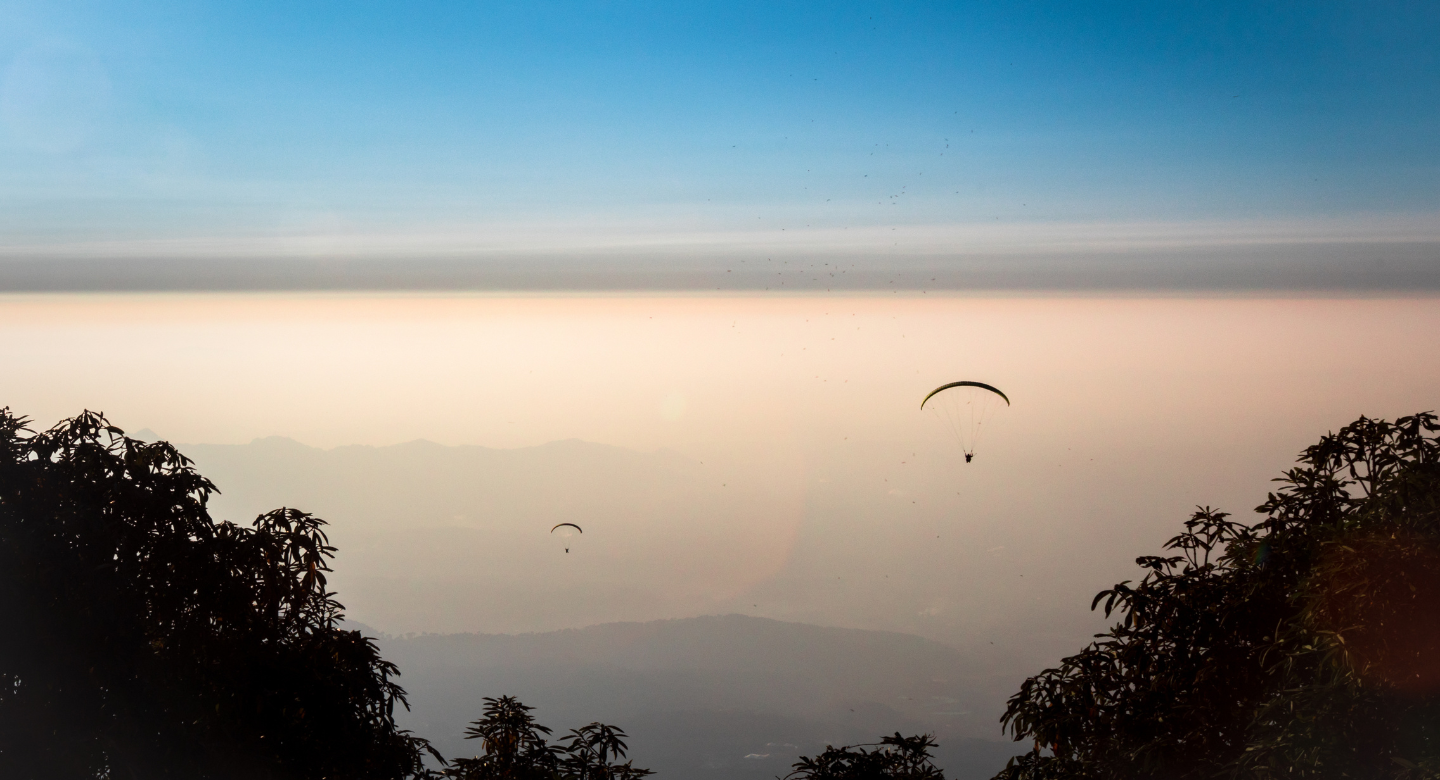
Bir is a charming town nestled in the Kangra Valley of Himachal Pradesh. It’s famous for its Tibetan monasteries, peaceful cafes, and vibrant backpacker culture. The town offers a perfect blend of spirituality and adventure. Billing, located 14 kilometers uphill, serves as the take-off point for paragliding flights. The site sits at an elevation of 2,400 meters above sea level. Paragliding in Bir Billing features an impressive vertical drop of 800-1,000 meters. Perfect wind conditions and thermals make it ideal for long, smooth flights. The location has hosted international paragliding competitions, establishing its global reputation.
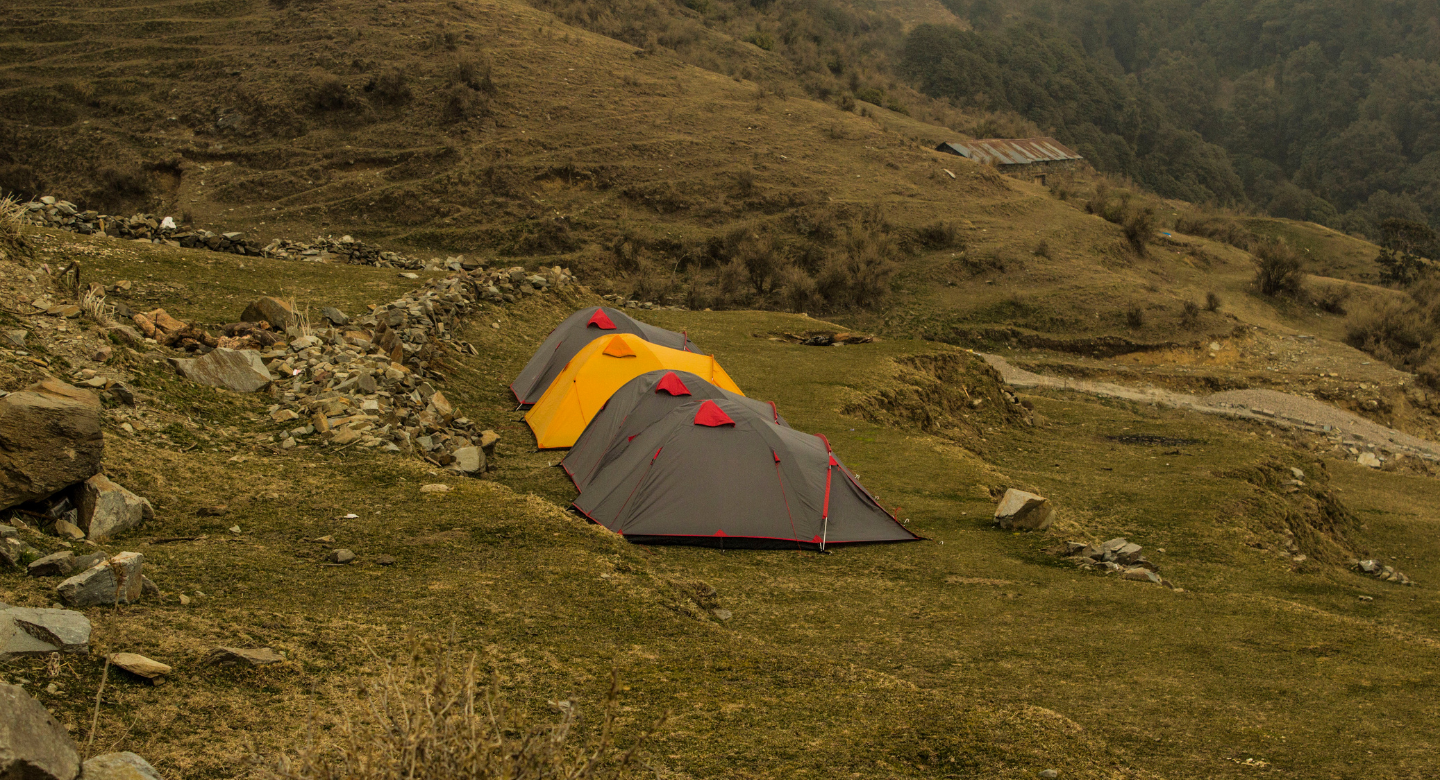
Beyond flying, the region offers excellent trekking opportunities for nature lovers. Popular trails include the Rajgundha Trek, Barot Valley routes, and Billing meadows exploration. These treks range from easy day hikes to multi-day camping expeditions. The combination of aerial and ground adventures makes Bir Billing truly special. Whether you’re floating above clouds or walking through forests, the experiences complement each other beautifully.
Factors to Consider Before Making the Decision
Weather and Wind Conditions
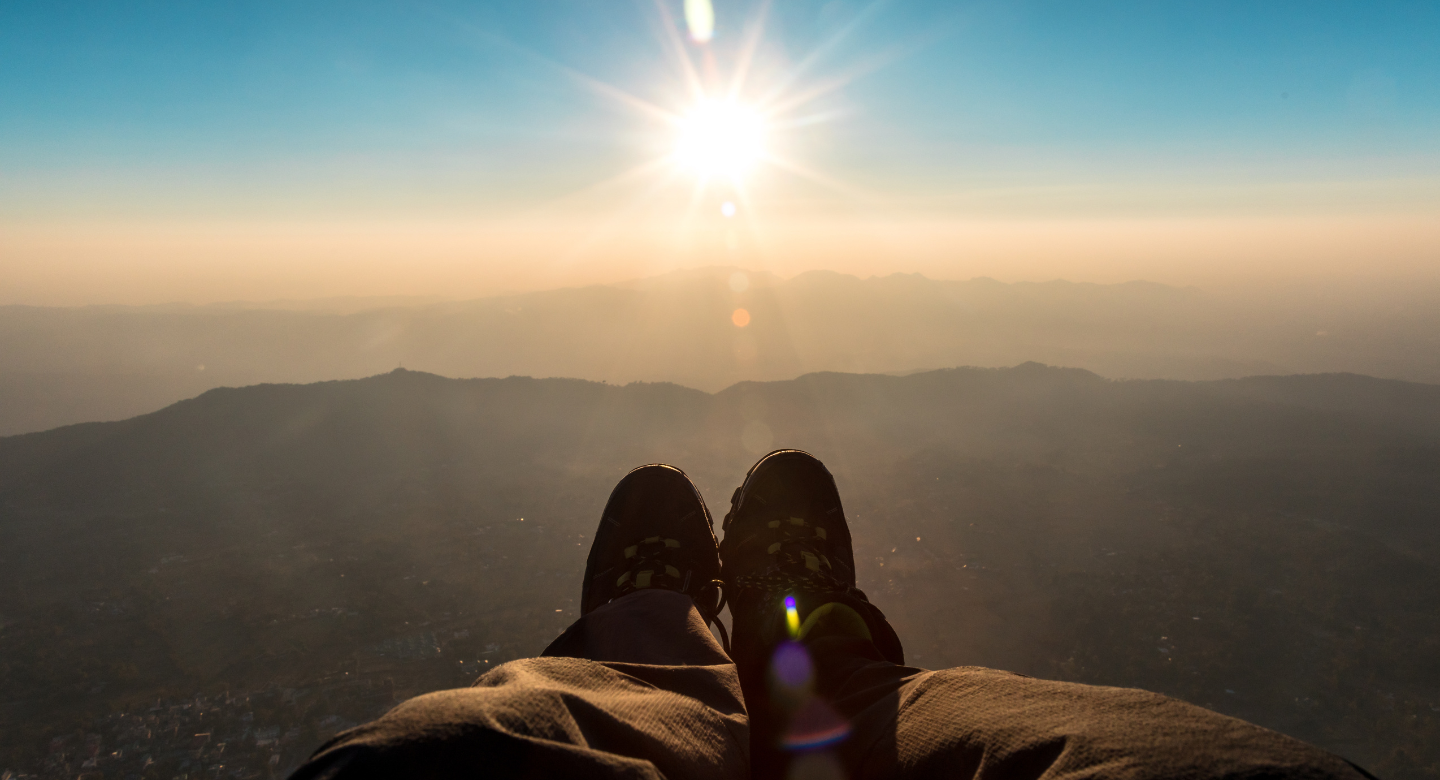
Weather plays a crucial role in both trekking and paragliding activities. The best time for paragliding in Bir depends on stable wind patterns and clear skies. Flights get canceled during poor visibility, rain, or unstable wind conditions. If you paraglide first and the weather turns bad, you might miss the experience entirely. Scheduling it after your trek provides flexibility but may limit rescheduling options. Always check the weather forecast for your entire stay in Bir. Keep buffer days in your itinerary for unexpected weather changes.
Physical Fatigue
Trekking demands physical stamina, especially on multi-day trails with elevation gains. Your legs, back, and shoulders bear the load of backpacks and climbing. Paragliding requires less physical effort but needs mental alertness and composure. Consider how your body responds to exertion when planning the sequence. Fresh legs and an alert mind enhance both experiences significantly. Fatigue can reduce your enjoyment and increase safety risks during either activity.
Acclimatization and Altitude Changes
Billing sits at a higher altitude than most trekking destinations around Bir. Sudden altitude changes can cause headaches, nausea, or breathlessness in some people. If you’re arriving from lower elevations, consider acclimatizing gradually before paragliding. Trekking first helps your body adjust to altitude naturally through gradual ascent. However, if you’re already accustomed to mountain environments, this factor matters less. Listen to your body and don’t rush into high-altitude activities immediately.
Time Availability in Itinerary
Your trip duration significantly influences the sequence of activities you choose. Short weekend trips require tight scheduling with minimal flexibility for changes. Longer trips allow you to spread activities and include buffer days. Himachal trekking and paragliding both deserve proper time allocation without rushing. Consider the the transportation time between Bir, Billing, and trek starting points. Allow at least one rest day between intense activities for optimal enjoyment.
Budget and Booking Slots
Paragliding slots fill up quickly during peak tourist seasons like March-June and September-November. Advance booking ensures you get your preferred time slot and certified pilot. Last-minute bookings after your trek might face limited availability or higher prices. Budget travelers should plan ahead to secure better deals and avoid disappointment. Trekking expenses also vary based on whether you hire guides or go independently. Factor in all costs when designing your adventure itinerary.
Paragliding Before Your Trek – Pros and Cons
Pros
Fresh body and more confidence: Starting with paragliding means you’re physically rested and mentally alert. Your energy levels are at their peak for enjoying the aerial experience. The adrenaline boost can also enhance your motivation for the upcoming trek. You’ll carry the excitement of flying into your trekking adventure. This sequence works well for those who want to start with maximum thrill.
No fatigue from trekking: Your muscles haven’t been strained by long walks or steep climbs yet. You can fully enjoy the flight without sore legs or tired shoulders. Physical freshness improves your ability to follow pilot instructions accurately. Recovery time becomes irrelevant since you’re not already exhausted. This approach prioritizes the paragliding experience with optimal body conditions.
Can reschedule flight if weather changes: Having paragliding early in your itinerary provides scheduling flexibility. If weather conditions are unfavorable, you can postpone the flight easily. The remaining trek days act as a buffer for rescheduling opportunities. You won’t feel pressured to fly in borderline weather conditions. This reduces stress and improves overall safety during your adventure.
Cons
If you injure yourself, trek may get affected: Though rare, minor injuries during landing can happen even with experienced pilots. A sprained ankle or back strain would severely impact your trekking ability. You might have to cancel or shorten your planned trek routes. This risk is small but worth considering, especially for challenging treks. Insurance coverage becomes important when planning activities in this sequence.
Adrenaline rush may overshadow trekking experience: Paragliding in Bir Billing delivers an intense, memorable high that’s hard to match. The thrill of flying might make trekking feel less exciting afterward. Some adventurers prefer saving the biggest thrill for last as a celebration. This is more about personal preference than an actual disadvantage. Consider what kind of emotional journey you want from your trip.
Paragliding After Your Trek – Pros and Cons
Pros
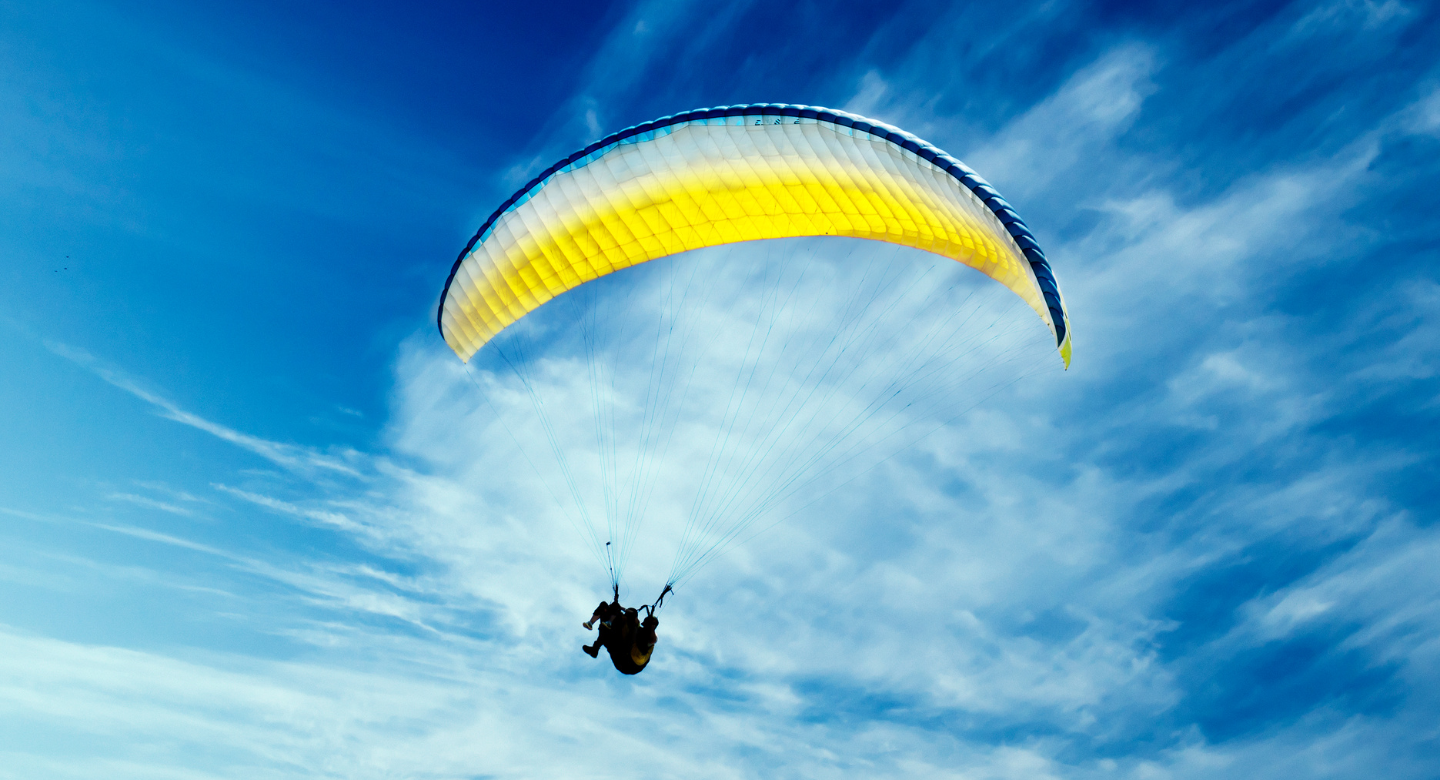
Reward and celebration after trek: Completing a challenging trek deserves a special reward and celebration. Flying over the valleys you just walked through creates a unique perspective. The sense of accomplishment amplifies the joy of paragliding significantly. It serves as the perfect finale to your Himalayan adventure. Many trekkers find this sequence emotionally more satisfying and memorable.
Relaxing thrill after physical effort: After days of trekking, sitting back and soaking in aerial views feels wonderfully relaxing. Paragliding doesn’t require much physical effort—you just enjoy the ride. Your pilot handles all the technical aspects while you appreciate the scenery. This contrast between ground effort and aerial ease feels perfectly balanced. It’s a gentle way to wind down from intense physical activity.
Mentally more settled and confident: Multi-day treks build mental toughness, patience, and confidence in mountain environments. This psychological preparation helps you stay calm and present during paragliding. You’re already accustomed to altitude and mountain weather patterns by then. The fear factor reduces when you’ve spent time in similar environments. Your overall comfort level with Himalayan adventures increases through this progression.
Cons
Trek fatigue may affect your flight energy: Sore muscles, blisters, and general tiredness can reduce your enthusiasm for paragliding. While you don’t need physical strength to fly, fatigue affects your overall experience quality. You might feel less excited or present during the flight than you would when fresh. Some people need a full rest day between activities to recover properly. Consider your fitness level and recovery ability when planning this sequence.
Limited rescheduling time if weather shifts: If you schedule paragliding for your last day and the weather turns bad, options become limited. You might not have buffer days to wait for conditions to improve. This creates pressure to fly even in less-than-ideal weather or miss the experience entirely. Bir Billing paragliding tips always emphasize not compromising on weather safety. Plan extra days at the end if choosing this sequence for flexibility.
The Best Recommendation (Balanced Verdict)
When to Choose Before
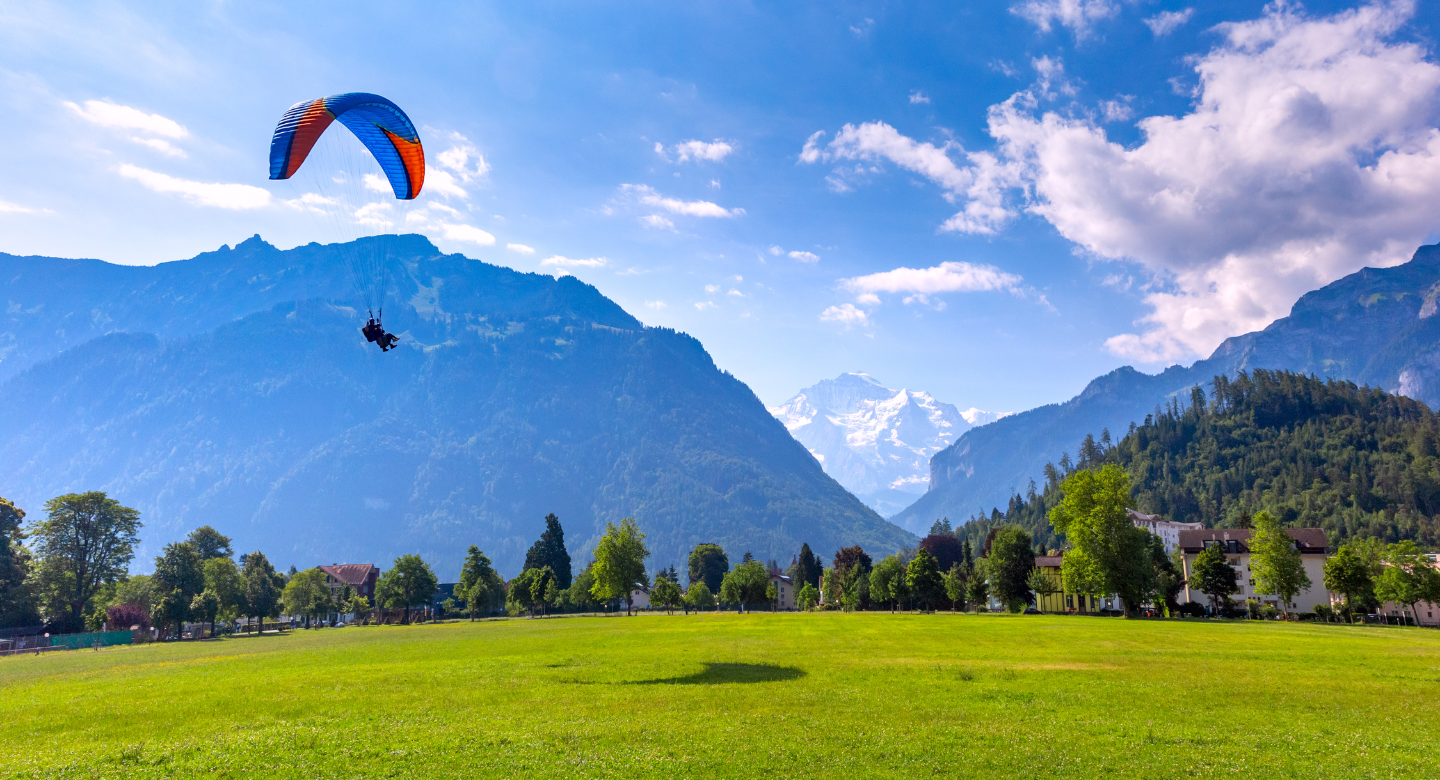
Choose paragliding before your trek if you’re on a short 2-3 day trip with limited time. This approach works best when you prioritize the flying experience over everything else. If you’re a first-time flyer and want to be physically fresh, go before trekking. Weather-sensitive travelers who want maximum rescheduling flexibility should choose this option. Those with concerns about post-trek fatigue affecting their flight enjoyment benefit from this sequence.
When to Choose After
Choose paragliding after your trek if you’re planning 4+ days in the region. This works perfectly when you want to build up to a grand finale. Experienced adventurers who handle altitude and fatigue well prefer this progression. If your trek is relatively easy or short, post-trek flying feels natural. Those seeking emotional closure and celebration should save paragliding for last. Budget travelers with confirmed advance bookings can safely choose this sequence.
Quick Decision Checklist
Paraglide BEFORE your trek if:
- You have less than 3 days total in Bir
- You’re a first-time paraglider and want to be fresh
- You want maximum weather flexibility for rescheduling
- Your trek is challenging and you might be exhausted afterward
Paraglide AFTER your trek if:
- You have 4+ days in the region
- You want paragliding as your adventure finale
- Your trek is easy to moderate difficulty
- You’ve booked slots in advance and weather looks stable
- You want to see the trekking route from above
This checklist helps you make a decision in under one minute based on your specific situation.
Safety Tips for Paragliding in Bir Billing
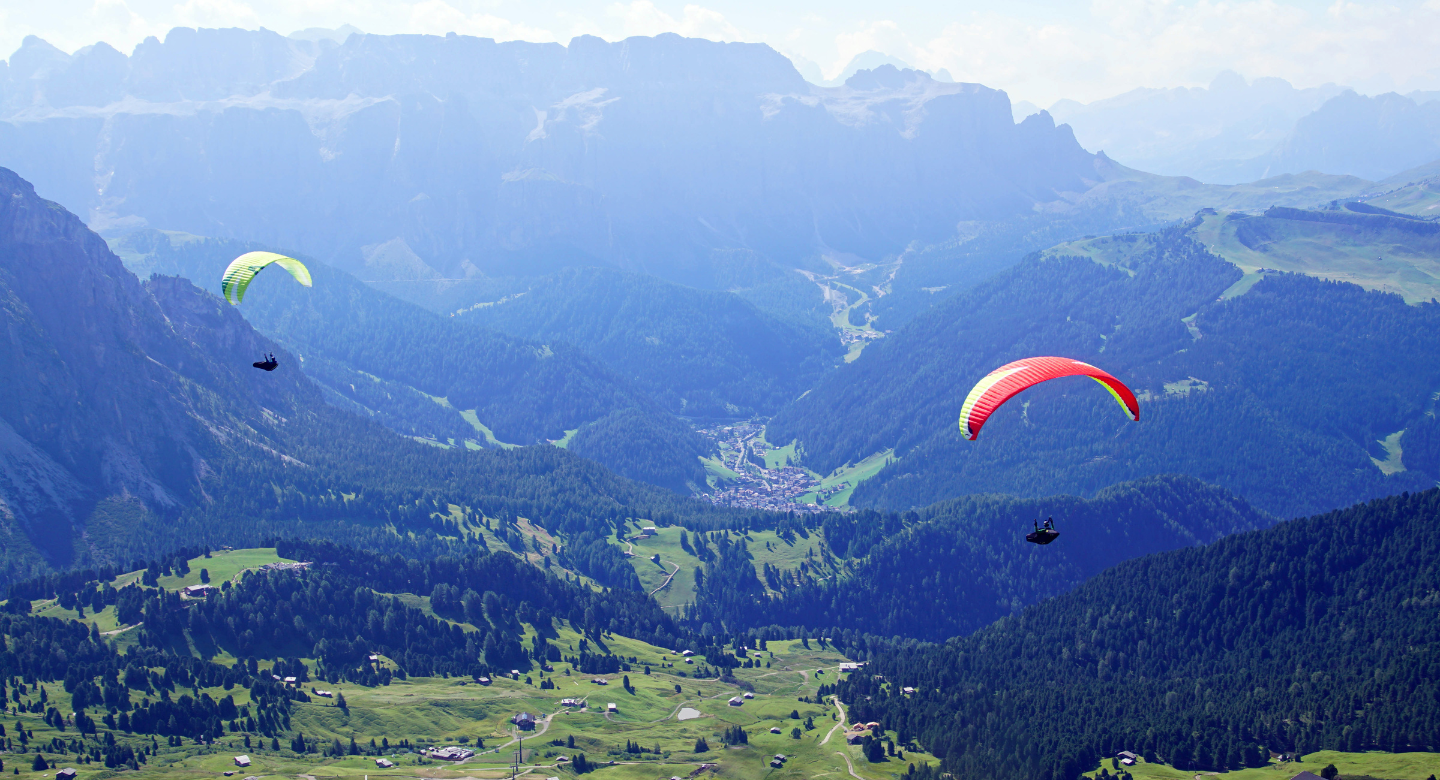
Following proper safety guidelines ensures a memorable and secure flying experience. Bir Billing paragliding tips from experienced pilots emphasize these essential precautions:
Book certified pilots only: Always choose operators registered with certified paragliding associations. Check for valid licenses and safety certifications before booking. Read recent reviews from other travelers about their experiences. Established operators maintain high safety standards and quality equipment. Don’t compromise on safety to save a few hundred rupees.
Check weather and wind window: Optimal flying conditions exist between 10 AM and 4 PM usually. Early mornings and late evenings often have unstable wind patterns. Always confirm with your pilot that conditions are suitable before takeoff. Never pressure pilots to fly if they’re hesitant about weather. Best time for paragliding in Bir is when experts say it’s safe.
Avoid heavy meals before flight: Eat a light meal 2-3 hours before your scheduled flight time. Heavy food can cause nausea during aerial maneuvers and altitude changes. Stay hydrated but avoid excessive water right before flying. Some motion-sensitive people take anti-nausea medication as a precaution. Inform your pilot if you have any health concerns beforehand.
Wear proper shoes and warm layers: Sturdy sports shoes with good grip are essential for takeoff and landing. Avoid sandals, flip-flops, or heels completely for safety reasons. Temperatures drop significantly at altitude, so carry a warm jacket. Sunglasses protect your eyes from wind and bright sunlight during flight. Long pants protect your legs better than shorts during landing.
Follow pilot instructions strictly: Your pilot will brief you on body position, takeoff, and landing procedures. Listen carefully and ask questions if anything is unclear. During takeoff, run as instructed without stopping or looking back. Maintain the recommended sitting position throughout the flight. Trust your pilot’s expertise and don’t make sudden movements without permission.
Best Time to Visit Bir for Paragliding
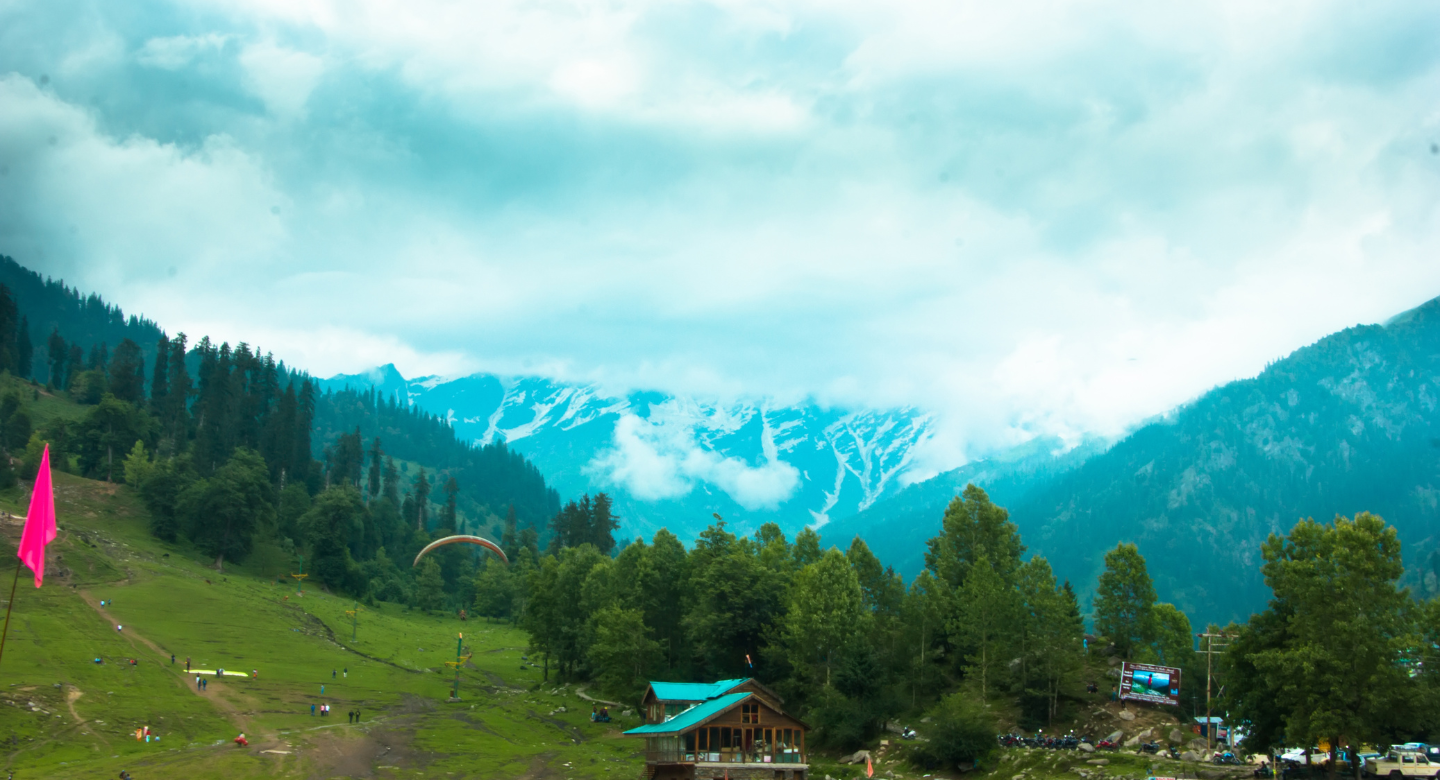
Peak Seasons: March–June and September–November
The best time for paragliding in Bir is during these two distinct seasons. Spring months (March-June) offer clear skies, pleasant temperatures, and stable wind conditions. The landscape is lush green with blooming flowers across the valleys. Autumn months (September-November) provide crystal-clear visibility and comfortable flying weather. These months see the highest number of successful flights and satisfied adventurers. Booking in advance is crucial during peak seasons due to high demand.
Why Monsoons and Deep Winters Are Risky or Limited
Monsoon season (July-August) brings heavy rainfall, poor visibility, and unpredictable wind patterns. Paragliding in Bir Billing operations reduce significantly or shut down completely during this period. Trekking also becomes challenging due to slippery trails and leech infestations. Deep winter months (December-February) bring snow, freezing temperatures, and strong, unstable winds. While occasional flights happen during winter, they’re weather-dependent and less reliable. Most operators recommend avoiding these seasons for both safety and experience quality.
Suggested 2-Day Combo Itinerary (Trek + Paragliding)
This compact itinerary perfectly combines Himachal trekking and paragliding for weekend adventurers:
Day 1: Bir → Trek to Rajgundha (Overnight Stay)
- Start early morning from Bir after breakfast around 8 AM
- Drive to Billing (14 km, 45 minutes) to begin the trek
- Trek from Billing to Rajgundha village (8-10 km, 4-5 hours)
- Pass through dense oak and rhododendron forests with stunning views
- Reach Rajgundha, a remote village surrounded by mountains and meadows
- Stay overnight in a homestay or camping setup
- Enjoy local Himachali dinner and stargazing in unpolluted skies
Day 2: Return → Paragliding from Billing → Bir Café Hopping & Monastery Visit
- Wake up early to witness sunrise over snow-capped peaks
- Have breakfast and start return trek to Billing (3-4 hours)
- Reach Billing by noon and prepare for paragliding
- Complete your paragliding in Bir Billing experience (20-30 minutes flight)
- Glide over the same valleys and forests you trekked through yesterday
- Land in Bir and freshen up at your accommodation
- Spend the evening exploring Bir’s cafes like Garden Café or Silver Lining
- Visit Chokling Monastery or Deer Park Institute before departure
- Depart from Bir or stay another night if time permits
This itinerary maximizes your adventure while ensuring proper rest between activities.
Let’s Summarise
Deciding between paragliding in Bir Billing before or after your trek depends on multiple factors. Your physical fitness, trip duration, weather conditions, and personal preferences all play important roles. Paragliding first offers freshness, flexibility, and full energy for the aerial experience. Flying after your trek provides emotional closure, celebration, and a unique perspective on your journey. Neither choice is wrong—both sequences create unforgettable memories in different ways.
The key is planning smartly based on your specific situation and priorities. Use the decision checklist provided to make an informed choice quickly. Follow all Bir Billing paragliding tips and safety guidelines regardless of when you fly. Allow buffer days in your itinerary for weather uncertainties and proper rest. Himachal trekking and paragliding together offer the perfect blend of ground and aerial adventures.
Whether you fly before or after your trek, Bir Billing promises an unforgettable Himalayan adventure. Pack your bags, plan wisely, and get ready for the experience of a lifetime!
Explore More Such Blogs:
Guided Trek vs Independent Trekking: Honest Comparison
Himalayan Monasteries You Can Visit While Trekking
Frequently Asked Questions (FAQs) Paragliding in Bir Billing: Before or After Your Trek?
Is paragliding safe in Bir Billing?
Yes, paragliding in Bir Billing is very safe when done with certified operators. The site has excellent safety records and experienced pilots with thousands of flights. All equipment undergoes regular maintenance and safety checks. Weather conditions are monitored closely before every flight. Follow your pilot’s instructions and choose reputable operators for maximum safety.
Can beginners fly?
Absolutely! Tandem paragliding requires no prior experience or training. Your certified pilot controls the entire flight while you enjoy as a passenger. You simply need to follow basic takeoff and landing instructions. Most flyers in Bir Billing are first-timers experiencing paragliding for the first time. Age restrictions typically range from 16-65 years depending on operator policies.
What is the cost of paragliding in Bir?
Standard tandem flights cost between ₹2,000-₹3,500 depending on flight duration and operator. Basic flights (15-20 minutes) are cheaper while longer flights (25-30 minutes) cost more. Video and photo packages add ₹500-₹1,000 to the base price. Peak season prices may be slightly higher than off-season rates. Always confirm what’s included before booking to avoid surprises.
How long does the flight last?
Typical tandem flights last between 15-30 minutes depending on wind conditions. Strong thermals allow longer flights covering more distance and altitude. Average flights cover about 800-1,000 meters of vertical drop from Billing to Bir. The entire experience including preparation and landing takes about 45-60 minutes. Flight duration is weather-dependent and cannot be guaranteed precisely.
Which trek is best to combine with paragliding?
The Rajgundha Trek is the most popular option, offering a perfect overnight adventure. Barot Valley treks provide longer, more challenging routes for experienced trekkers. Billing Meadows is ideal for day hikes suitable for all fitness levels. Consider trek difficulty, duration, and your physical condition when choosing. Most treks start from or near Billing, making logistics convenient for combined adventures.
Do I need travel insurance for these activities?
Yes, travel insurance covering adventure sports is highly recommended for both activities. Standard policies often exclude paragliding, so verify coverage before your trip. Adventure-specific insurance covers medical emergencies, trip cancellations, and equipment issues. Medical evacuation from remote areas can be extremely expensive without insurance. Invest in proper coverage for peace of mind during your Himalayan adventure.
Can I do both activities in one day?
While technically possible, it’s not recommended for optimal experience and safety. Both activities deserve your full attention without rushing through them. Physical fatigue from trekking affects your paragliding enjoyment and recovery time. A minimum 2-day itinerary allows proper rest and appreciation of each experience. Only consider same-day combination for very short, easy treks near Billing.

[…] Paragliding in Bir Billing: Before or After Your Trek? […]
[…] Paragliding in Bir Billing: Before or After Your Trek? […]