Discover if Spiti Valley in December is worth visiting. Learn about winter travel risks, road accessibility, safety tips, and what to expect realistically.
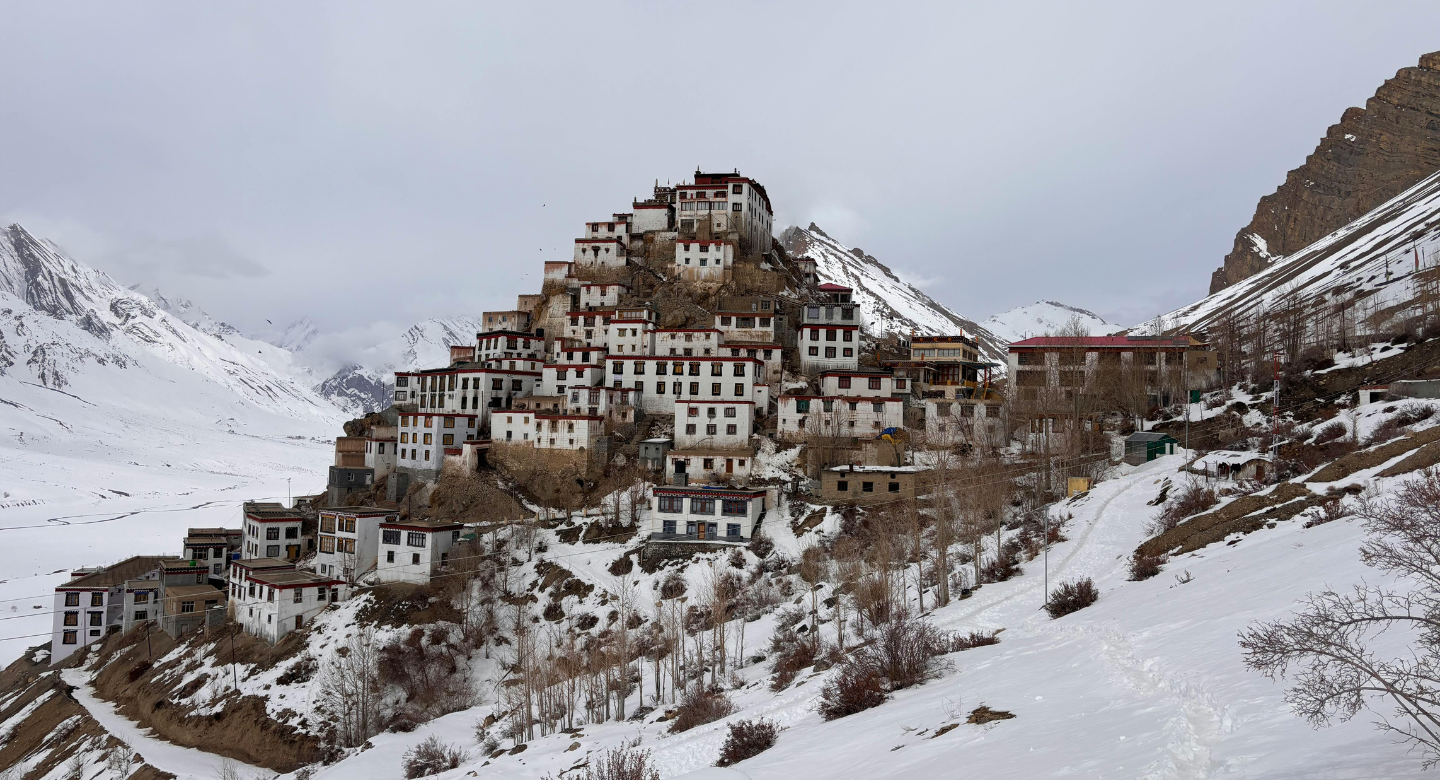
Spiti Valley in December transforms into a pristine, snow-covered wonderland that few travelers ever witness firsthand. The stark white landscapes, frozen rivers, and complete solitude create an otherworldly experience unlike summer visits. Winter travel to this high-altitude desert has become increasingly popular among adventure seekers and photographers seeking authenticity. But December in Spiti isn’t just beautiful—it’s brutally challenging with sub-zero temperatures and serious risks. Roads become treacherous, facilities close, and the harsh environment tests even experienced travelers continuously throughout their stay. This comprehensive guide explores whether the magical winter experience justifies the considerable dangers and hardships involved. We’ll cover accessibility, safety, costs, and honest recommendations helping you decide if winter travel to Spiti Valley aligns with your capabilities.
What to Expect in Spiti Valley During December
Extreme Cold: Temperatures and Wind Chill
Daytime temperatures in Spiti Valley in December typically range from -5°C to -15°C on relatively mild days. Nighttime temperatures plummet to -20°C to -30°C making even indoor spaces uncomfortably cold without proper heating. Wind chill factors make it feel significantly colder than actual temperatures—exposed skin can freeze within minutes. High-altitude locations like Kaza, Kibber, and Langza experience the most extreme cold requiring constant vigilance about frostbite. Indoor heating often comes from traditional bukharis (wood stoves) providing localized warmth but not central heating comfort.
Snowfall Patterns
December marks the beginning of heavy winter snowfall transforming the entire valley into a white desert. Snowfall can be unpredictable—light dustings one day, complete whiteouts blocking roads the next without warning. Fresh snow creates stunning photography opportunities but also increases avalanche risks in certain mountain passes significantly. Accumulated snow on roads makes driving extremely hazardous requiring specialized winter tires and experienced local drivers. Some villages become completely snowbound during heavy snowfall periods cutting off access for days or weeks.
Daylight Hours and Visibility
December has the shortest daylight hours—sunrise around 7:30 AM and sunset by 5:30 PM limiting activity windows. The sun’s low angle means valleys remain shadowed for much of the day staying perpetually cold. Limited daylight restricts travel distances—you cannot cover much ground forcing slower, more cautious movement patterns. Clear days offer brilliant sunshine reflecting off snow creating stunning but harsh lighting conditions requiring sunglasses. Cloudy or snowy days reduce visibility dramatically making navigation difficult and photography opportunities limited temporarily.
Closed Roads and Remote Conditions
Most routes leading to and within Spiti see significantly reduced traffic creating genuine isolation feelings. Villages that bustle with tourists in summer become nearly empty with only local residents remaining throughout winter. Supply chains slow dramatically—fresh produce, fuel, and essential supplies arrive infrequently if at all. Communication networks can be unreliable with power outages affecting cell towers and internet connectivity sporadically. This remoteness creates both appealing solitude and genuine emergency response challenges requiring serious consideration before visiting.
Is Spiti Valley Accessible in December?
Status of the Shimla Route
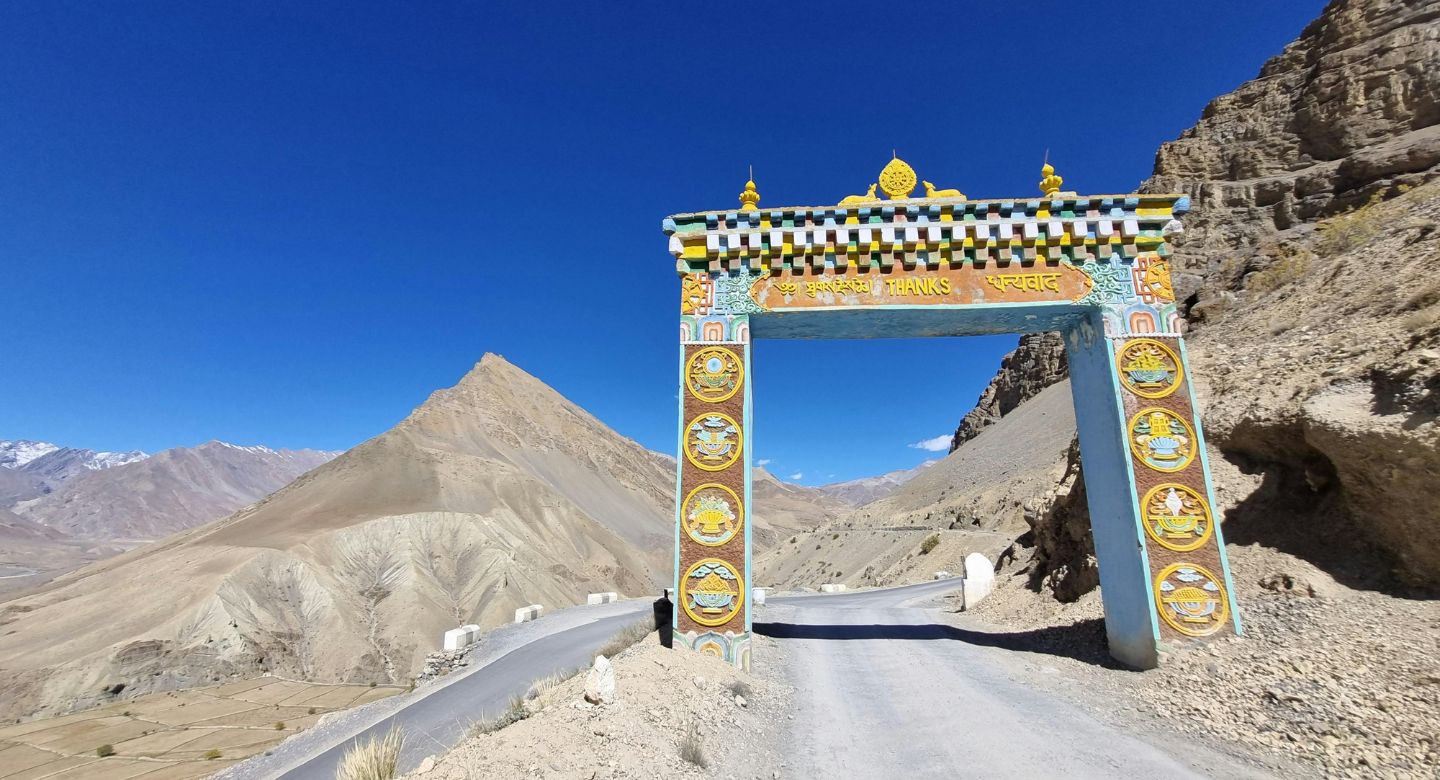
The Shimla-Kinnaur route via Reckong Peo generally remains open during December but with significant challenges always. This route involves crossing Khab bridge and following the Spiti River through precarious mountain roads and conditions. Black ice, fresh snowfall, and limited road clearance make this route extremely risky requiring experienced drivers. Sudden weather changes can close sections without warning stranding travelers for unpredictable durations mid-journey. Local authorities may restrict travel during heavy snowfall for safety making timing and flexibility crucial considerations. How to visit Spiti Valley in December almost exclusively involves this route as alternatives remain closed.
Manali Route Status
The Manali route via Rohtang Pass and Kunzum Pass closes completely by early November remaining inaccessible until May. Heavy snow accumulation makes these high passes absolutely impassable for any vehicles during winter months without exception. Do not attempt this route—no amount of preparation or vehicle capability overcomes complete road closure reality. Summer’s most popular access route becomes completely irrelevant for winter travel to Spiti Valley planning purposes entirely.
Suitable Vehicles
Only heavy-duty 4WD vehicles with proper winter tires can safely navigate December roads in Spiti reliably. Regular sedans, hatchbacks, or even standard SUVs without winter preparation will struggle or fail dangerously quickly. Snow chains, additional ground clearance, and reinforced suspension become necessary rather than optional equipment requirements. Most visitors rent vehicles with experienced local drivers rather than attempting self-drive during winter conditions. The combination of proper vehicle and skilled driver dramatically improves safety and success rates in reaching destinations.
Importance of Local Drivers
Local drivers possess intimate knowledge of road conditions, weather patterns, and safe travel windows unavailable to outsiders. They understand when to stop, when to proceed, and how to navigate black ice sections safely. Their experience with vehicle recovery, emergency situations, and local contacts provides crucial safety nets throughout journeys. Is Spiti Valley safe in winter depends largely on having competent local drivers guiding your travel always. Never attempt winter driving yourself unless you have extensive winter mountain driving experience and proper equipment.
Pros of Visiting Spiti Valley in December
Pure White Landscapes
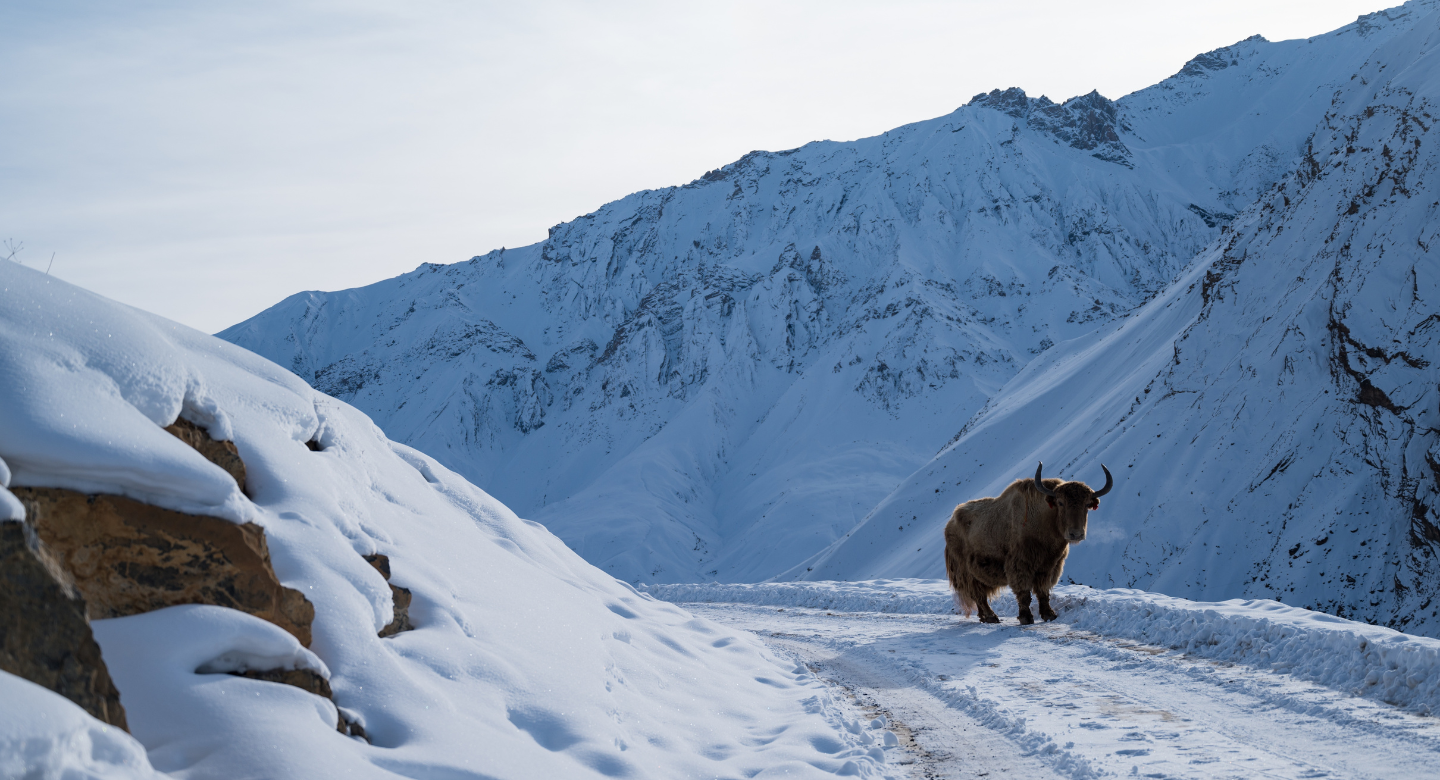
Spiti Valley in December offers pristine, untouched snow landscapes creating breathtaking scenery rarely seen by tourists. The brown desert mountains transform into white wonderlands with frozen rivers creating surreal, alien-like beauty. Every monastery, village, and rock formation gets outlined with snow creating dramatic visual contrasts for photography. The silence of snow-covered landscapes adds meditative quality impossible during busy summer months filled with tourists. This winter beauty represents Spiti’s hidden personality that most visitors never experience or appreciate fully.
Almost Zero Tourists — Solitude & Authenticity
Summer’s crowded cafes, homestays, and viewpoints stand empty providing genuine solitude and peaceful contemplation opportunities. You experience local life authentically as residents go about winter routines without catering to tourist demands. Monastery visits become personal experiences without crowds allowing deeper spiritual connection and extended time with monks. Villages reveal their true character when tourism pauses showing resilient communities adapted to harsh conditions. This winter travel to Spiti Valley authenticity creates profound connections impossible during peak tourist seasons always.
Unique Winter Experiences
Witness frozen waterfalls creating stunning ice formations and crystalline structures throughout the valley magnificently. Walk across frozen rivers—experiences impossible during summer when waters rush powerfully through the landscape. Track wildlife in snow including ibex, snow leopards (rare but possible), and Himalayan birds against white backgrounds. Experience traditional winter village life including how locals store food, heat homes, and maintain community during isolation. These experiences exist exclusively in winter making December visits genuinely unique compared to summer trips entirely.
Clear Night Skies & Astrophotography
Winter’s dry air and minimal light pollution create exceptional stargazing conditions among the best in India. The Milky Way appears vividly with countless stars visible creating humbling perspective on your place in universe. Long winter nights provide extended astrophotography opportunities for capturing celestial beauty with stunning foreground landscapes. Clear, cold nights mean minimal atmospheric distortion improving visibility of distant galaxies and nebulae remarkably well. How to visit Spiti Valley in December for astrophotography enthusiasts means accessing world-class dark sky conditions.
The Major Risks & Challenges
Road Blockages, Black Ice, and Landslides
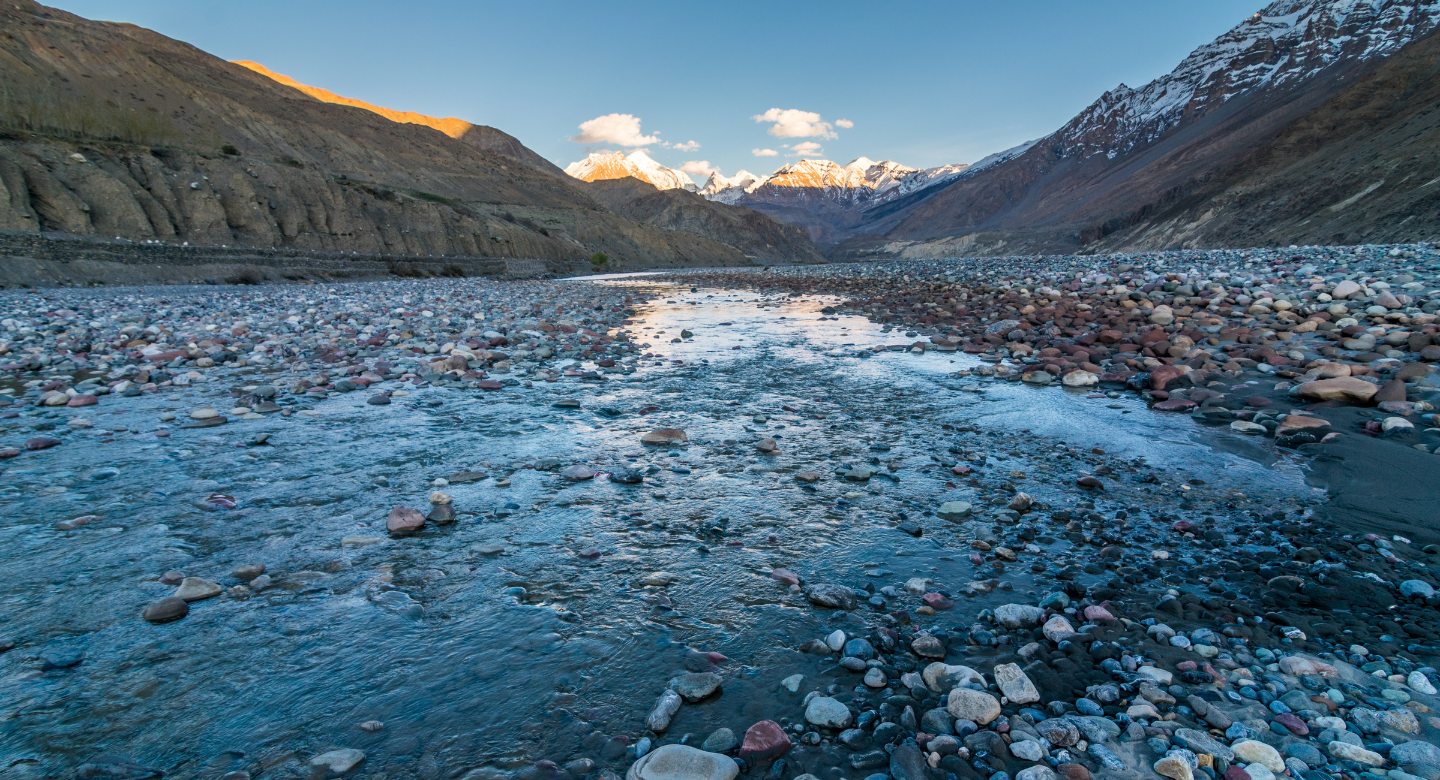
Fresh snowfall can block roads for days requiring patience and flexible schedules accommodating unpredictable delays constantly. Black ice forms on shaded road sections creating invisible, lethal hazards causing vehicles to slide uncontrollably. Landslides triggered by thawing snow or minor earthquakes can close roads without warning stranding travelers completely. Emergency road clearance operates slowly if at all during winter with limited equipment available in remote areas. These conditions make every journey potentially dangerous requiring constant vigilance and conservative decision-making always throughout travels.
Hypothermia & Frostbite Danger
Prolonged exposure to sub-zero temperatures without proper clothing causes hypothermia risking life-threatening conditions rapidly developing. Extremities like fingers, toes, ears, and nose are susceptible to frostbite requiring immediate warming to prevent tissue damage. Indoor spaces without adequate heating can still cause cold-related injuries during extended exposure throughout nights. Physical exertion in extreme cold increases dehydration and exhaustion accelerating hypothermia onset dangerously without warning. Understanding symptoms and prevention becomes crucial for Spiti Valley in December survival and safety always.
Limited Medical Facilities
Kaza has a basic health center but lacks equipment for treating serious cold-related injuries or emergencies. Evacuation during winter becomes extremely difficult with roads possibly blocked and helicopter access weather-dependent entirely. The nearest major hospital is in Shimla—6-8 hours away in good conditions, potentially unreachable during storms. Any serious medical emergency in winter Spiti could prove fatal due to impossible evacuation scenarios and limitations. This reality makes pre-existing health conditions and adequate preparation absolutely critical before attempting winter visits.
Power Cuts & Frozen Water
Electricity supply is unreliable with frequent outages lasting hours or even days during severe winter conditions. Water pipes freeze solid making running water unavailable in many accommodations throughout the coldest periods. Melting snow for water becomes necessary but requires fuel, time, and proper equipment unavailable in all locations. Charging devices, staying warm, and maintaining basic hygiene become constant challenges requiring creativity and resilience. These infrastructure limitations make winter travel to Spiti Valley far more primitive than summer tourism experiences.
Inconsistent Accommodation Availability
Many hotels, guesthouses, and homestays close entirely during winter as owners migrate to warmer regions seasonally. Those remaining open offer basic facilities without guaranteed heating, hot water, or consistent electricity throughout stays. Advance bookings become difficult as owners may not confirm availability until closer to dates when weather becomes clearer. Walking in without reservations risks finding no available accommodation in small villages with few options. Limited accommodation increases costs as remaining places charge premium rates for winter operation and limited competition.
Where You Can Stay in December
Winter-Ready Homestays
Kaza offers the most accommodation options with several homestays and guesthouses remaining operational throughout December regularly. Tabo has limited options but a few committed families welcome winter guests providing authentic cultural experiences. Kibber, one of the world’s highest villages, has minimal but genuine winter accommodation for adventurous travelers. Villages like Langza and Komic typically close completely with residents descending to lower villages until spring arrives. How to visit Spiti Valley in December requires booking confirmed winter-open accommodations well in advance always.
Realistic Facility Expectations
Expect basic rooms with shared bathrooms, squat toilets, and no hot water for bathing in most locations. Heating comes from traditional wood-burning bukharis in common areas providing warmth limited to specific rooms. Private room heating is rare—you’ll rely heavily on proper sleeping bags and warm clothing throughout nights. Electricity may be available only during certain hours requiring strategic device charging and limited electronic usage. These conditions demand adjustment and acceptance rather than complaint understanding you’re experiencing authentic winter mountain life.
Heating Availability (Bukharis)
Traditional wood stoves (bukharis) burn constantly in common areas providing gathering spots and essential warmth for guests. Sitting near bukharis becomes the primary evening activity as temperatures outside and in unheated rooms remain unbearable. Hosts carefully manage wood supplies ensuring sufficient fuel lasts through long winter months without wasteful burning. The warmth is localized—move away from the bukhari and you’ll immediately feel the cold returning sharply. Appreciating this simple heating method connects you to traditional Spiti life adapted to extreme winter conditions.
Food and Water Limitations
Fresh vegetables become unavailable with meals relying on stored grains, lentils, dried vegetables, and preserved foods. Menus are extremely limited—typically rice, dal, and simple roti forming the basis of every meal. Water must be melted from snow or drawn from specific unfrozen sources requiring time and effort daily. Variety and choice disappear entirely—you eat what’s available without options suiting preferences or dietary restrictions. Accepting these limitations gracefully respects your hosts’ reality surviving winter in extreme remote conditions gracefully.
Things You Can Actually Do in December
Winter Village Walks
Short walks through snow-covered villages reveal stunning architecture against white landscapes creating perfect photography opportunities. Observe how villagers manage livestock, store food, and maintain homes during harsh winter conditions authentically. The silence and solitude of empty trails provide meditative experiences impossible during crowded summer tourist seasons. Proper winter gear is essential even for short walks as temperatures and wind chill remain dangerous always. These walks connect you to Spiti’s winter rhythm offering perspectives unavailable to summer visitors entirely.
Monastery Visits
Tabo Monastery, over a thousand years old, remains accessible and offers profound spiritual experiences during winter months. Key Monastery perched dramatically atop hills provides stunning snow-covered valley views worth the cold climb up. Monks appreciate winter visitors showing genuine interest rather than rushed summer tourism providing deeper interactions and teachings. The ancient murals, prayer wheels, and peaceful courtyards take on special beauty surrounded by snow and solitude. Respecting monastery schedules and warmth needs means shorter visits but often more meaningful exchanges with resident monks.
Snow Hikes with Guides
Experienced local guides lead short snow hikes to frozen waterfalls, viewpoints, and wildlife tracking expeditions safely. These guided experiences provide safety while accessing winter landscapes you couldn’t navigate alone without local knowledge. Wildlife tracking in snow reveals animal movements, feeding patterns, and survival strategies fascinating to observe closely. Photo opportunities abound with guides knowing best times and locations for capturing Spiti’s winter beauty safely. Winter travel to Spiti Valley reaches its peak when combining beautiful landscapes with expert guidance throughout explorations.
Cultural Experiences with Locals
Participate in traditional winter activities like weaving, pottery, or food preparation alongside hospitable local families. Listen to stories about surviving harsh winters, local folklore, and the valley’s history around warm bukharis. Learn about Buddhist practices, daily rituals, and how spirituality helps communities endure isolation and hardship seasonally. These genuine interactions create lasting memories and deeper understanding beyond superficial tourism experiences elsewhere commonly. Respecting local customs, being helpful, and showing genuine interest opens doors to remarkable cultural exchanges.
Who Should Avoid December Travel to Spiti?
First-Time Mountain Travelers
Spiti Valley in December is absolutely not appropriate for anyone’s first high-altitude or winter mountain experience. The extreme conditions, limited facilities, and genuine dangers require previous experience managing cold and altitude challenges. Without baseline understanding of mountain environments, winter Spiti becomes overwhelming and potentially life-threatening quickly during difficulties. Build experience with easier winter destinations before attempting Spiti’s brutal conditions ensuring proper preparation and awareness.
People with Medical Conditions
Anyone with breathing issues, asthma, heart problems, or circulation disorders faces magnified risks at altitude and cold. The physical stress of cold exposure combined with high altitude (3,800m+) can trigger serious medical episodes. Limited medical facilities and impossible evacuation scenarios make pre-existing conditions potentially fatal during emergencies inevitably. Consult physicians honestly about winter high-altitude travel before booking assessing risks realistically without romanticizing the adventure.
Families with Children or Elderly
Young children and elderly individuals are more susceptible to hypothermia, frostbite, and altitude sickness requiring constant monitoring. The physical demands of limited facilities, cold temperatures, and altitude stress even healthy adults significantly constantly. Children may not communicate discomfort or symptoms clearly risking dangerous situations developing unnoticed until too late. Elderly individuals with reduced circulation, mobility issues, or medication dependence face compounded risks in winter Spiti conditions. Is Spiti Valley safe in winter for vulnerable populations? The answer is definitively no without exceptional precautions.
Anyone Uncomfortable with Minimal Comforts
If you need daily hot showers, varied food choices, reliable electricity, and comfort, skip December Spiti entirely. The experience is genuinely primitive requiring resilience, adaptability, and acceptance of hardship as part of the adventure. Complaining about cold, food, or facilities demonstrates poor preparation and disrespects hosts managing extreme conditions gracefully. Only visit if you genuinely embrace challenge and discomfort as worthwhile trade-offs for unique winter experiences.
Essential Packing List for Spiti in December
Layering System
- Base layer: Thermal innerwear (top and bottom) made from merino wool or synthetic moisture-wicking material.
- Mid layer: Fleece jacket or down vest providing insulation while maintaining breathability during activity.
- Outer layer: Waterproof, windproof jacket with hood protecting against snow, wind, and moisture effectively throughout days. This three-layer system allows adjustment as activity levels and temperatures change throughout varying conditions constantly.
Footwear for Sub-Zero Temperatures
Insulated, waterproof snow boots rated for -20°C or colder with good ankle support and traction. Wool or synthetic thermal socks (multiple pairs) keeping feet warm and dry preventing frostbite during extended exposure. Gaiters prevent snow from entering boots during walks keeping feet dry and warm throughout outdoor activities. Spare shoes for indoors keeping accommodation floors dry and maintaining warmth separation between outdoor and indoor footwear.
Winter Driving and Safety Gear
Snow chains for vehicles (usually provided by drivers but verify) ensuring traction on icy roads safely. Emergency supplies including flashlights, extra batteries, matches, candles, and thermal blankets for vehicle breakdowns overnight. First aid kit with cold-weather injury treatments, altitude sickness medication, and personal prescriptions clearly labeled always. Sunglasses and sunscreen protecting against intense UV reflection off snow causing severe burns and snow blindness.
Medications and Hydration Essentials
Altitude sickness medication (Diamox) if prescribed by doctors for preventive use during acclimatization periods safely. Pain relievers, anti-nausea medication, and treatments for common cold symptoms affecting comfort during cold exposure. Insulated thermos flask carrying hot water, tea, or soup maintaining hydration and warmth throughout cold days outside. Lip balm, moisturizer, and hand cream preventing cracked, bleeding skin from extreme dryness and cold exposure damage.
Budget Breakdown – December Trip Cost
Transportation
Hiring a 4WD vehicle with experienced local driver costs approximately ₹15,000-₹25,000 for 7-8 days depending on route. Public buses operate sporadically during winter with uncertain schedules making them unreliable for tight itineraries planning. Fuel costs increase due to higher consumption in cold temperatures and difficult driving conditions encountered throughout. Budget additional ₹5,000-₹10,000 for potential emergency transport, extended stays due to road blockages, or route changes.
Homestay Pricing
Winter homestays charge ₹1,500-₹3,000 per night including basic meals reflecting limited competition and operation costs. Expect higher costs than summer due to heating expenses, limited supply, and operational challenges during winter months. Some places may require advance payment or deposits confirming your commitment given weather-related cancellation uncertainties always present.
Food & Emergency Costs
Basic meals cost ₹200-₹500 per meal with very limited variety reflecting ingredient availability and preparation limitations. Carry emergency snacks, energy bars, and packaged foods supplementing limited local food options available during travels. Budget ₹500-₹1,000 daily for food beyond homestay meals including tea stops, snacks, and personal preferences.
Gear Rentals
Winter gear rentals (jackets, boots, sleeping bags) available in Shimla or Manali cost ₹500-₹1,500 per item. Purchasing your own gear is recommended for better quality, fit, and comfort during extended cold exposure. Total trip cost for Spiti Valley in December typically ranges ₹40,000-₹70,000 per person for 7-10 days.
Safety Tips for December Travel
Always Hire a Local Driver
Local drivers’ knowledge of roads, weather, and emergency protocols literally saves lives during winter Spiti travels. They maintain relationships with villages along routes ensuring help availability during breakdowns or emergencies encountered suddenly. Their judgment about when travel is safe versus dangerous should be trusted absolutely without second-guessing decisions. How to visit Spiti Valley in December safely begins with accepting that local expertise trumps personal preferences always.
Check Weather & Road Updates Daily
Connect with locals, police checkpoints, and other travelers gathering current conditions information before departing anywhere. Weather can change dramatically within hours requiring constant monitoring and flexibility in plans without rigid schedules. Road status updates from recent travelers provide crucial insights unavailable from official sources lacking real-time information. WhatsApp groups and local contacts become invaluable information sources throughout your winter Spiti journey continuously.
Keep Power Banks and Thermos Flasks
Charged power banks ensure communication capability during emergencies when electricity becomes unavailable for extended periods. Thermos flasks maintain hot liquid availability throughout cold days preventing dehydration and providing essential warmth comfort. These simple items dramatically improve comfort and safety becoming lifelines during difficult situations encountered unexpectedly always.
Avoid Driving After Sunset
Limited daylight and rapidly dropping temperatures make after-dark travel extremely dangerous and strongly discouraged universally. Black ice forms quickly after sunset creating invisible hazards impossible to detect without specialized equipment. Wildlife crossing roads in darkness increases accident risks while limited visibility makes navigation treacherous unnecessarily. Plan itineraries allowing arrival well before sunset maintaining safety margins throughout travel schedules always.
Carry Sufficient Cash
ATMs may not function due to power outages or frozen systems making cash essential for all transactions. Limited banking infrastructure means electronic payments become impossible requiring adequate physical currency throughout travels. Carry sufficient cash for entire trip plus emergency reserves covering unexpected expenses or extended stays required. Small denominations help with minor transactions and tips for helpful locals, drivers, and homestay hosts.
So… Is Spiti Valley Worth Visiting in December? (Honest Verdict)
For Thrill-Seekers and Experienced Travelers → Yes
If you have winter mountain experience, embrace challenge, and want authentic wilderness experiences, absolutely visit. The unique beauty, complete solitude, and genuine cultural connections justify risks for prepared adventure seekers always. Winter travel to Spiti Valley offers rewards proportional to challenges faced creating profoundly memorable experiences. You must accept hardship, danger, and discomfort as integral parts of the adventure rather than obstacles.
For Regular Tourists and Comfort-Seekers → No, Too Risky
If you expect tourism comforts, guaranteed safety, or prefer predictable experiences, avoid December Spiti entirely. The risks outweigh rewards when you’re unprepared physically, mentally, or emotionally for genuine hardship conditions. Is Spiti Valley safe in winter for casual tourists? No—it demands serious commitment and preparation beyond typical vacations. Summer or autumn visits provide beauty without extreme challenges suiting most travelers’ capabilities and expectations better.
Summary of Who Should Go
Go if you: Have winter mountain experience, embrace minimal facilities, possess excellent physical fitness, and genuinely seek solitude. Value authentic experiences over comfort, can handle emergencies independently, and respect local conditions and customs completely.
Skip if you: Need reliable facilities, have health concerns, prefer predictable safe environments, or travel with vulnerable individuals. Expect tourism infrastructure, want varied dining options, or dislike genuine physical challenges and potential dangers consistently.
Let’s Summarize
Spiti Valley in December represents one of India’s most challenging yet rewarding winter travel experiences possible anywhere. The pristine landscapes, cultural authenticity, and profound solitude create memories lasting lifetimes for prepared adventurers. However, the genuine dangers, extreme cold, and limited facilities make this journey unsuitable for most travelers. Honest self-assessment about your capabilities, experience, and risk tolerance determines whether December Spiti becomes amazing adventure or dangerous mistake. If you decide to go, prepare meticulously, hire local experts, respect conditions, and embrace the journey completely.
The valley doesn’t care about your Instagram photos or adventure aspirations—it simply exists in harsh winter reality. Your decision should respect that reality matching your capabilities to conditions honestly. Winter travel to Spiti Valley isn’t for everyone, and that’s perfectly fine. Choose the season and destination matching your preparation level ensuring safe, enjoyable mountain experiences always.
Explore More Blogs
Delhi To Spiti Distance, Places to Visit, Connectivity & FAQ’s
Himalayan Monasteries You Can Visit While Trekking
Frequently Asked Questions (FAQs) for Spiti Valley in December
Is Spiti Valley accessible in December?
Yes, via the Shimla route through Kinnaur, but conditions are extremely challenging and unpredictable. The Manali route closes completely until May, making it impossible. Only heavy snowfall blocking roads temporarily prevents access, otherwise. Hire experienced local drivers with proper 4WD vehicles for safety always.
What are the risks of visiting Spiti in December?
Major risks include hypothermia, frostbite, road blockages, black ice accidents, and medical emergencies without evacuation. Limited facilities, power cuts, and frozen water create constant challenges. Weather changes rapidly potentially stranding you for days. Is Spiti Valley safe in winter depends entirely on your preparation and experience level.
Where can I stay in Spiti during December?
Kaza has the most winter accommodation options followed by Tabo and Kibber with limited choices. Expect basic homestays with shared facilities, bukhari heating, and simple meals only. Many popular summer accommodations close completely during winter months. Book confirmed winter-open places well in advance ensuring availability and realistic expectations.
What should I pack for Spiti in December?
Pack thermal layers, insulated waterproof boots, down jacket, sleeping bag rated -20°C minimum. Bring thermos flask, power banks, sunscreen, sunglasses, and a comprehensive first aid kit. Include altitude sickness medication, emergency snacks, and sufficient cash. How to visit Spiti Valley in December successfully requires meticulous packing and preparation beforehand.
Can I drive my own vehicle to Spiti in December?
Only if you have extensive winter mountain driving experience, proper 4WD vehicle, and winter equipment. Most visitors hire local drivers possessing crucial knowledge of roads, weather, and safe practices. Self-driving significantly increases risks unless you’re genuinely experienced with winter conditions. Insurance may not cover accidents during winter months requiring verification beforehand.
What temperature should I expect in December?
Daytime temperatures range -5°C to -15°C while nights drop to -20°C to -30°C routinely. Wind chill makes it feel even colder requiring complete cold-weather protection. Indoor temperatures without heating barely exceed outdoor temperatures maintaining constant cold. Spiti Valley in December demands preparation for extreme sub-zero conditions throughout stays.
Are restaurants and shops open in December?
Most restaurants, shops, and cafes close during winter with only handful remaining operational in Kaza. Limited options mean restricted food variety and shopping opportunities for supplies. Stock essentials before entering Spiti as availability becomes extremely limited. Homestay meals become your primary food source throughout winter stays necessarily.
When is the best time to visit Spiti if not December?
May-June after snow melts and September-October for clear weather offer ideal conditions. These months provide accessibility, pleasant temperatures, open facilities, and stunning landscapes. Summer (July-August) brings monsoons affecting certain areas despite Spiti being rain shadow. Winter travel to Spiti Valley serves specific purposes while other seasons suit general tourism better.