

Complete cost analysis of renting vs buying winter gear for trekkers. Compare rental costs, purchase prices, and break-even points for smart decisions.
The Winter Gear Dilemma

Renting vs buying winter gear represents one of the biggest financial decisions facing aspiring winter trekkers planning adventures. High-quality winter trekking equipment costs thousands of rupees creating significant barriers for first-time participants. First-time trekkers face uncertainty whether they’ll continue winter trekking justifying major equipment investments upfront. Frequent trekkers wonder when rental costs exceed purchase prices making ownership financially sensible economically. “Cheap” gear might seem budget-friendly initially but often fails in extreme conditions endangering safety. Understanding winter trekking gear cost helps make informed decisions balancing budget constraints with safety requirements. This comprehensive analysis explores rent trekking gear in India options versus purchasing comparing costs, benefits, limitations. Smart financial planning ensures you get proper equipment without unnecessary expenses throughout your trekking journey.
Why Winter Trek Gear Is Expensive
Specialized Insulation & Waterproofing
Quality down insulation requires specific duck or goose feathers providing maximum warmth with minimal weight. Waterproof-breathable fabrics like Gore-Tex involve complex manufacturing making them expensive but essential for protection. These technical materials significantly increase costs but dramatically improve performance and safety in harsh conditions. Winter trekking gear cost reflects advanced materials engineering necessary for surviving sub-zero temperatures safely.
Limited Usage Window (Seasonal)
Winter gear sits unused 8-9 months yearly making per-use costs high for occasional trekkers. Manufacturers cannot spread development costs across year-round sales like summer gear reducing economies of scale. This seasonal limitation makes buy trekking gear vs rent decisions particularly relevant for winter equipment.
Safety-Critical Equipment
Winter gear failures can cause hypothermia, frostbite, or death making quality non-negotiable for safety. Manufacturers invest heavily in testing and quality control ensuring gear performs reliably in life-threatening conditions. This safety focus justifies premium pricing protecting users from potentially fatal equipment failures during emergencies.
Categories of Winter Trekking Gear
- Clothing: Down jackets, waterproof shells, thermal base layers, trekking pants providing warmth and weather protection.
- Footwear: Waterproof insulated trekking boots, gaiters preventing snow entry, warm trekking socks maintaining foot warmth.
- Gear: Sub-zero sleeping bags, trekking poles for stability, microspikes for icy terrain, backpacks carrying equipment.
- Accessories: Gloves, balaclavas, sunglasses, headlamps, water bottles—smaller items adding up to significant total costs.
Cost Breakdown: Renting Winter Trek Gear (India)
Typical Rental Costs (Per Trek / 5-7 Days)
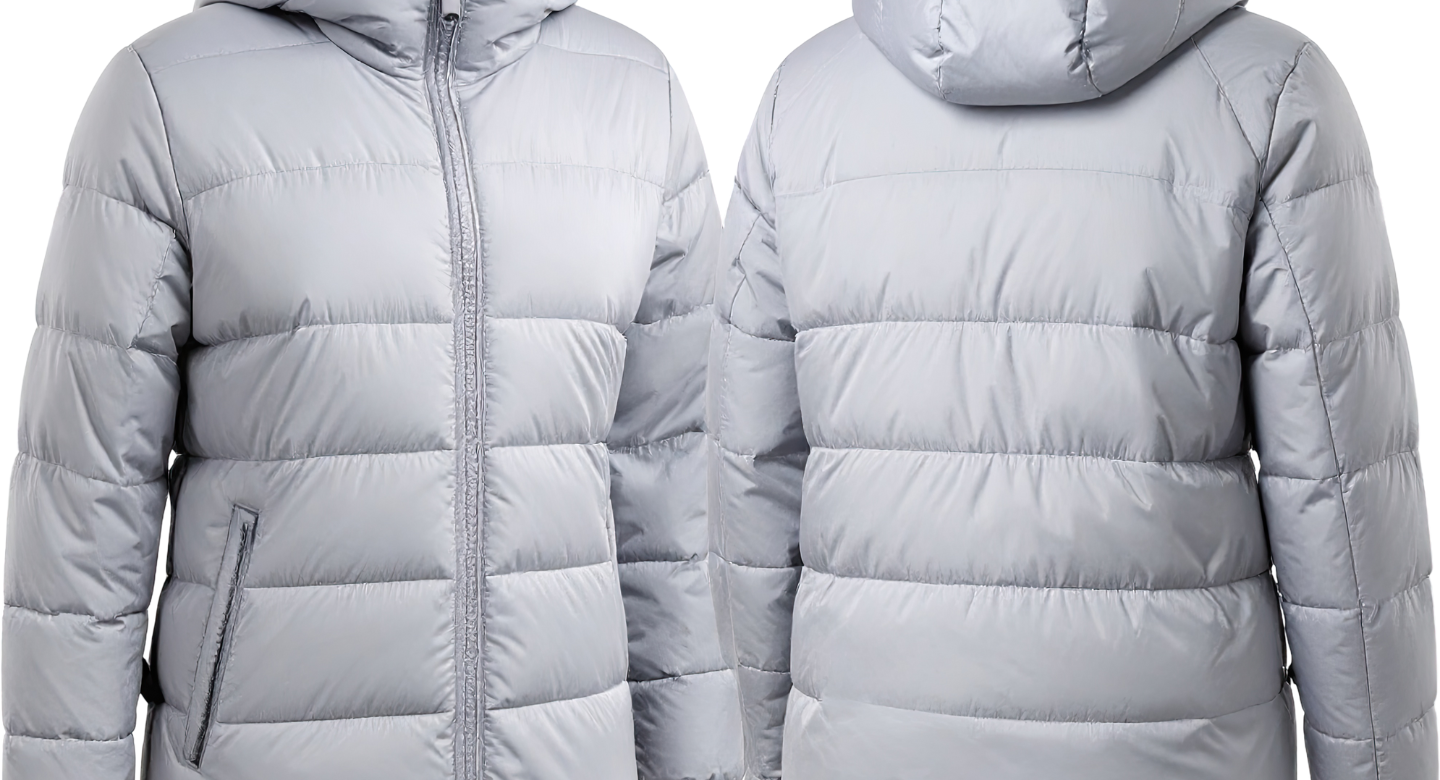
- Down jacket: ₹800-₹1,500 depending on brand, quality, and rental operator chosen for trek.
- Trekking shoes: ₹1,200-₹2,500 with higher prices for premium brands offering better insulation and waterproofing.
- Sleeping bag (sub-zero): ₹700-₹1,200 for bags rated -5°C to -15°C suitable for most winter treks.
- Microspikes/crampons: ₹500-₹1,000 providing traction on icy trails preventing dangerous slips and falls.
- Trekking poles: ₹300-₹600 offering stability and reducing knee strain during long descents significantly.
- Gaiters: ₹200-₹400 preventing snow entering boots keeping feet dry and warm throughout days.
Total estimated rental cost: ₹3,000-₹6,000 per trek for complete gear package from reputable operators. This rent trekking gear in India pricing varies by season, location, operator, and gear quality offered.
Cost Breakdown: Buying Winter Trek Gear
Average Purchase Costs
- Down jacket: ₹3,500-₹8,000 for quality brands like Decathlon, Wildcraft, Quechua offering reliable insulation performance. International brands like North Face or Columbia cost ₹10,000-₹25,000 providing premium materials and construction.
- Trekking shoes (winter-specific): ₹4,000-₹10,000 for waterproof insulated boots from Indian brands providing adequate protection. Premium international boots cost ₹12,000-₹20,000 offering superior comfort, durability, and cold-weather performance throughout.
- Sleeping bag (sub-zero rated): ₹6,000-₹12,000 for bags rated -10°C to -20°C handling most Indian winter treks. High-end expedition bags cost ₹15,000-₹30,000 for extreme conditions or extended comfort in harsh weather.
- Trekking poles: ₹1,500-₹4,000 for adjustable aluminum or carbon fiber poles offering durability and lightweight performance.
- Microspikes: ₹1,500-₹3,000 for quality traction devices providing reliable grip on icy terrain preventing injuries.
- Waterproof pants: ₹2,000-₹5,000 protecting legs from snow and moisture during challenging weather conditions.
- Gaiters: ₹800-₹2,000 preventing snow entry into boots maintaining dry feet throughout trekking days.
- Additional accessories (gloves, balaclava, thermal layers): ₹3,000-₹6,000 for complete outfit covering all body parts.
Total initial investment: ₹18,000-₹35,000+ for complete winter trekking gear kit from budget to mid-range quality. Premium international brands push costs to ₹50,000-₹80,000 providing maximum performance, comfort, and durability. This winter trekking gear cost represents significant investment requiring careful consideration before committing funds.
Break-Even Analysis: When Does Buying Make Sense?
Buying Becomes Economical After 3-4 Winter Treks
If renting costs ₹5,000 per trek, four treks cost ₹20,000 matching mid-range gear purchase prices. After four treks, owned gear becomes “free” while continued rentals keep costing ₹5,000 each time. Buy trekking gear vs rent math clearly favors purchasing for anyone planning 4+ winter treks within 2-3 years.
Rental Cost Comparison Table
| Number of Treks | Rental Cost | Purchase Cost | Savings with Purchase |
| 1 Trek | ₹1,000 – ₹5,000 | ₹25,000 | -₹20,000 (rent cheaper) |
| 2 Treks | ₹10,000 | ₹25,000 | -₹15,000 (rent cheaper) |
| 3 Treks | ₹15,000 | ₹25,000 | -₹10,000 (rent cheaper) |
| 4 Treks | ₹20,000 | ₹25,000 | -₹5,000 (rent cheaper) |
| 5 Treks | ₹25,000 | ₹25,000 | ₹0 (break-even) |
| 6 Treks | ₹30,000 | ₹25,000 | +₹5,000 (buy cheaper) |
| 10 Treks | ₹50,000 | ₹25,000 | +₹25,000 (buy cheaper) |
This table clearly illustrates renting vs buying winter gear economics based on trek frequency over time. (These Prices can change with the season, high trekking season, etc.)
Frequency-Based Decision Logic
- 1-2 treks planned: Renting makes absolute financial sense saving significant upfront costs without long-term commitment.
- 3-4 treks within 2 years: Break-even point where purchasing begins making financial sense for committed trekkers.
- 5+ treks planned: Buying becomes clearly economical saving thousands while providing better fit and reliability.
- Annual winter trekking: Purchasing is non-negotiable economically and practically for serious regular participants consistently.
Pros & Cons: Renting Winter Gear
Pros
- Lower upfront cost: Pay only ₹3,000-₹6,000 per trek avoiding ₹20,000-₹35,000 initial investment burden significantly.
- No maintenance or storage: Return gear after trek avoiding cleaning, drying, and year-round storage space requirements.
- Ideal for first-time trekkers: Test winter trekking without major financial commitment determining if you enjoy activity.
- Try different gear: Experience various brands and styles before investing in purchases matching preferences perfectly.
- No depreciation concerns: Gear technology improves yearly—renting avoids owning outdated equipment losing value over time.
Cons
- Fit and comfort issues: Rented boots may not fit perfectly causing blisters; jackets might be too tight or loose.
- Unknown wear-and-tear: Previous users may have damaged gear reducing effectiveness without visible signs of problems.
- Limited availability during peak season: Popular sizes and good-quality items book up quickly during December-January peaks.
- Hygiene concerns: Sleeping bags and jackets previously used by strangers create discomfort for some trekkers.
- No ownership benefits: Money spent on rentals provides no asset value or future utility beyond single trek.
This analysis helps evaluate rent trekking gear in India options’ limitations alongside obvious benefits thoroughly.
Pros & Cons: Buying Winter Gear
Pros
- Perfect fit and comfort: Choose exact sizes and styles matching your body type and preferences precisely.
- Long-term cost efficiency: After 4-5 treks, owned gear becomes economical saving money on every subsequent adventure.
- Better reliability in extreme cold: Know your gear’s history, condition, and performance capabilities from personal experience.
- Immediate availability: Trek whenever you want without worrying about rental availability or booking logistics.
- Resale value: Quality gear retains 40-60% value if well-maintained allowing recovery of some investment.
Cons
- High initial cost: ₹20,000-₹35,000 upfront represents significant financial burden for many aspiring trekkers initially.
- Storage and maintenance: Requires proper cleaning, drying, and storage space protecting investment from damage or mildew.
- Risk of buying wrong gear: Without experience, may purchase inappropriate items wasting money on unsuitable equipment.
- Technology obsolescence: Gear improves yearly potentially making your purchases feel outdated compared to newer options.
- Limited use if trekking decreases: Expensive gear sits unused if life changes reduce trekking frequency unexpectedly.
Understanding buy trekking gear vs rent trade-offs helps make informed decisions matching personal circumstances accurately.
What You Should Always Buy (Never Rent)
- Inner layers (base layers, thermals): These touch skin directly making hygiene crucial—always purchase personal items. Quality thermal sets cost ₹1,500-₹3,000 providing comfort and hygiene you control completely always.
- Socks: Trekking socks cost ₹300-₹800 per pair—buy 3-4 pairs ensuring dry, comfortable feet throughout.
- Gloves: Hand protection costs ₹500-₹1,500 for liner plus outer gloves ensuring proper fit and warmth.
- Balaclava/neck gaiter: These face-touching items cost ₹300-₹800 making purchase preferable over rental sharing.
- Personal hygiene items: Toiletries, first-aid supplies, menstrual products—always bring your own for comfort and safety.
These items’ low cost and personal nature make winter trekking gear cost minimal for essentials always purchased.
What Is Safe to Rent
- Down jackets: Outer layers don’t touch skin directly making sharing acceptable with proper hygiene standards.
- Sleeping bags: With liner sheets, renting quality sleeping bags becomes a hygienic and cost-effective solution.
- Trekking poles: Non-personal equipment easily sanitized between users making rental perfectly acceptable always.
- Microspikes/crampons: Traction devices attach to boots requiring no personal fit making rental practical choice.
- Waterproof shells: Outer protective layers share easily without significant hygiene concerns affecting comfort or safety.
These items represent best rent trekking gear in India candidates balancing cost savings with practical concerns.
Quality & Safety Considerations
Rental Gear Inspection Checklist
Check zippers functioning smoothly on jackets, sleeping bags before accepting ensuring no stuck or broken components. Examine boots for sole separation, torn waterproofing, or excessive wear compromising safety and performance. Verify sleeping bag temperature ratings match trek requirements—don’t accept -5°C bag for -15°C conditions. Test trekking pole locking mechanisms ensuring they hold firmly under weight without collapsing dangerously. Inspect microspikes for missing teeth, damaged chains, or weak elastic compromising traction on ice.
Temperature Ratings to Verify
Sleeping bags show “comfort” and “extreme” ratings—choose bags where comfort rating matches expected minimum temperatures. Don’t trust verbal assurances—check actual tags verifying specifications before accepting rental gear for treks. Down jackets should specify fill power (600+ for winter) and total fill weight determining actual warmth provided.
Hygiene Concerns with Rented Gear
Request freshly cleaned gear or clean items yourself using appropriate methods before use ensuring hygiene. Use sleeping bag liners creating barrier between body and potentially unclean bag maintaining comfort. Wipe down boots, poles, and other equipment with sanitizing wipes before use removing previous users’ residues.
Understanding renting vs buying winter gear includes evaluating hygiene and safety aspects beyond just costs.
Who Should Rent vs Who Should Buy

First-Time Winter Trekkers Should Rent
Without experience, you don’t know if you’ll enjoy winter trekking justifying major equipment investments yet. Renting allows testing activity without financial commitment discovering preferences before purchasing anything significant. One or two rental experiences inform future purchase decisions ensuring you buy appropriate gear matching needs.
Occasional Trekkers (1-2 Per Year) Should Rent
Infrequent use makes winter trekking gear cost through purchase economically unjustifiable for occasional participants. Rental costs remain lower than purchase depreciation, storage, and maintenance expenses over years of limited use. Technology improvements mean renting provides access to newer, better gear without ownership responsibilities ongoing.
Frequent Trekkers (3+ Per Year) Should Buy
Regular use makes purchasing economical after 2-3 seasons of activity committed to winter trekking consistently. Owned gear provides better fit, reliability, and availability supporting regular trekking schedules without rental dependencies. Buy trekking gear vs rent clearly favors purchasing for anyone committed to regular winter mountain adventures.
High-Altitude or Extreme Trekkers Must Buy
Extreme conditions demand reliable, personally tested gear you know performs perfectly in critical situations always. Rental gear’s unknown history and condition creates unacceptable risks during technical or extreme winter expeditions. Investment in premium gear becomes safety requirement rather than optional expense for serious mountaineers consistently.
Smart Hybrid Strategy (Best of Both Worlds)
Buy Essentials, Rent Bulky Items
Purchase boots (ensuring perfect fit), thermals, and accessories totaling ₹8,000-₹12,000 providing personal comfort always. Rent expensive bulky items like sleeping bags (₹700-₹1,200), down jackets (₹800-₹1,500) saving significant costs. This hybrid approach provides ₹3,000-₹5,000 total cost per trek while ensuring critical personal items fit perfectly.
Upgrade Gradually Over Seasons
Buy one major item per trek—sleeping bag after the first, jacket after the second, gradually building a complete kit. This spreads winter trekking gear cost over time, making the financial burden manageable without compromising safety or comfort. By the third or fourth trek, you own a complete kit without ever feeling overwhelming financial pressure simultaneously.
Think Long-Term, Not Just Per Trek
Renting vs buying winter gear decisions require an honest assessment of your trekking frequency and commitment level. Renting saves money, initially making winter trekking accessible without major financial barriers for beginners. Buying saves money over time, providing a better fit, comfort, and reliability for committed regular participants. The right choice depends fundamentally on trek frequency, budget flexibility, and storage capabilities realistically available. Rent trekking gear in India for the first 1-2 treks, testing the waters before committing to purchases later. After 3-4 treks, buy trekking gear vs rent economics clearly favor purchasing for anyone continuing activity. Smart hybrid strategies combining purchased essentials with rented bulky items optimize winter trekking gear cost-effectively.
Think long-term, considering 2-3 year horizons rather than focusing solely on immediate single-trek expenses. Your decision today shapes your trekking experiences and finances for years—choose wisely, matching circumstances and commitment.
Explore More Such Blogs
Trekking Essentials: What Gear You Need to Pack for a Successful Hike | Updated 2025
11 Best SwissGear Backpack 2024, Tips & Types of SwissGear
Frequently Asked Questions (FAQs) For Renting vs Buying Winter Gear
Is renting winter trekking gear worth it?
Yes, for first-time or occasional trekkers, renting saves ₹15,000-₹30,000 upfront investment costs. Rental costs ₹3,000-₹6,000 per trek making it economical for 1-3 treks total. After 4-5 treks, purchasing becomes more cost-effective than continued rental expenses. Renting vs buying winter gear depends entirely on your expected trek frequency honestly.
Where can I rent trekking gear in India?
Major trekking hubs like Manali, Rishikesh, Dehradun, Shimla offer numerous rental shops. Online platforms and trek operators provide rental services with delivery to starting points. Prices vary by location and season—book advance during peak December-January periods. Rent trekking gear in India availability is excellent in popular trekking regions throughout.
What’s the average cost of renting vs buying for one trek?
Renting complete gear costs ₹3,000-₹6,000 for 5-7 day trek from reputable operators. Buying equivalent gear costs ₹20,000-₹35,000 initially making first trek expensive with ownership. Rental is clearly cheaper for single trek but purchase becomes economical after 4-5 adventures. This winter trekking gear cost comparison guides first-time versus repeat trekker decisions effectively.
Should I buy or rent sleeping bags?
Rent sleeping bags initially—they’re expensive (₹6,000-₹12,000) and bulky to store year-round. After 3-4 treks, purchasing makes financial sense providing better hygiene and guaranteed availability. Quality sleeping bags last 10+ years making them worthwhile investment for regular trekkers. Use liners with rentals maintaining hygiene until you’re ready purchasing your own.
What gear should I never rent?
Never rent base layers, thermals, socks, gloves, or balaclavas touching skin directly. These items cost ₹2,000-₹5,000 total making purchase affordable and hygienic always. Personal fit and comfort in boots makes purchasing preferable though rentals work initially. Hygiene and proper fit make certain items unsuitable for rent trekking gear in India options.
How many treks before buying makes sense?
After 3-4 treks, purchasing becomes economically sensible compared to continued rental costs. If planning 5+ treks within 2-3 years, buy immediately saving money overall. One-time trekkers should always rent avoiding unnecessary investment in rarely-used equipment. Buy trekking gear vs rent break-even occurs around fourth or fifth trek typically.
Can I rent gear for Kedarkantha or Chadar Trek?
Yes, both destinations have excellent rental facilities with quality gear available for booking. Chadar Trek demands extreme-cold gear—verify rental sleeping bags rated -20°C or colder. Book well advance (1-2 months) during peak season ensuring availability and good-quality items. Most trek operators include gear rental in package prices simplifying logistics significantly.
What’s the quality difference between rental and purchased gear?
Rental gear varies widely—some operators maintain excellent equipment while others offer worn items. Purchased gear lets you choose exact quality level matching budget and requirements precisely. Rental items experience heavy use reducing effectiveness compared to personally-maintained owned gear. Inspect rental items carefully ensuring they meet safety and performance standards before accepting.
Should I buy expensive brands or budget options?
Budget Indian brands (Decathlon, Wildcraft) provide excellent value for most Indian winter treks. Premium international brands offer marginal improvements justifying costs only for extreme conditions or regular use. Start with mid-range quality upgrading later if you continue trekking regularly over seasons. Don’t buy cheapest options—₹3,000 jacket won’t keep you warm potentially endangering safety.
Can I sell gear if I stop trekking?
Yes, quality gear retains 40-60% value if well-maintained and sold within 2-3 years. Online platforms and trekking communities actively buy-sell used equipment throughout India continuously. This resale potential reduces effective winter trekking gear cost making purchase less risky financially. Maintain gear properly maximizing resale value if circumstances change reducing trekking frequency.

[…] Renting vs Buying Winter Gear: Cost Analysis for Trekkers […]