Complete guide to Chadar Trek January 2026 covering frozen river conditions, preparation, safety, permits, and what makes this extreme winter trek unforgettable.
Why January Is Peak Season for Chadar Trek
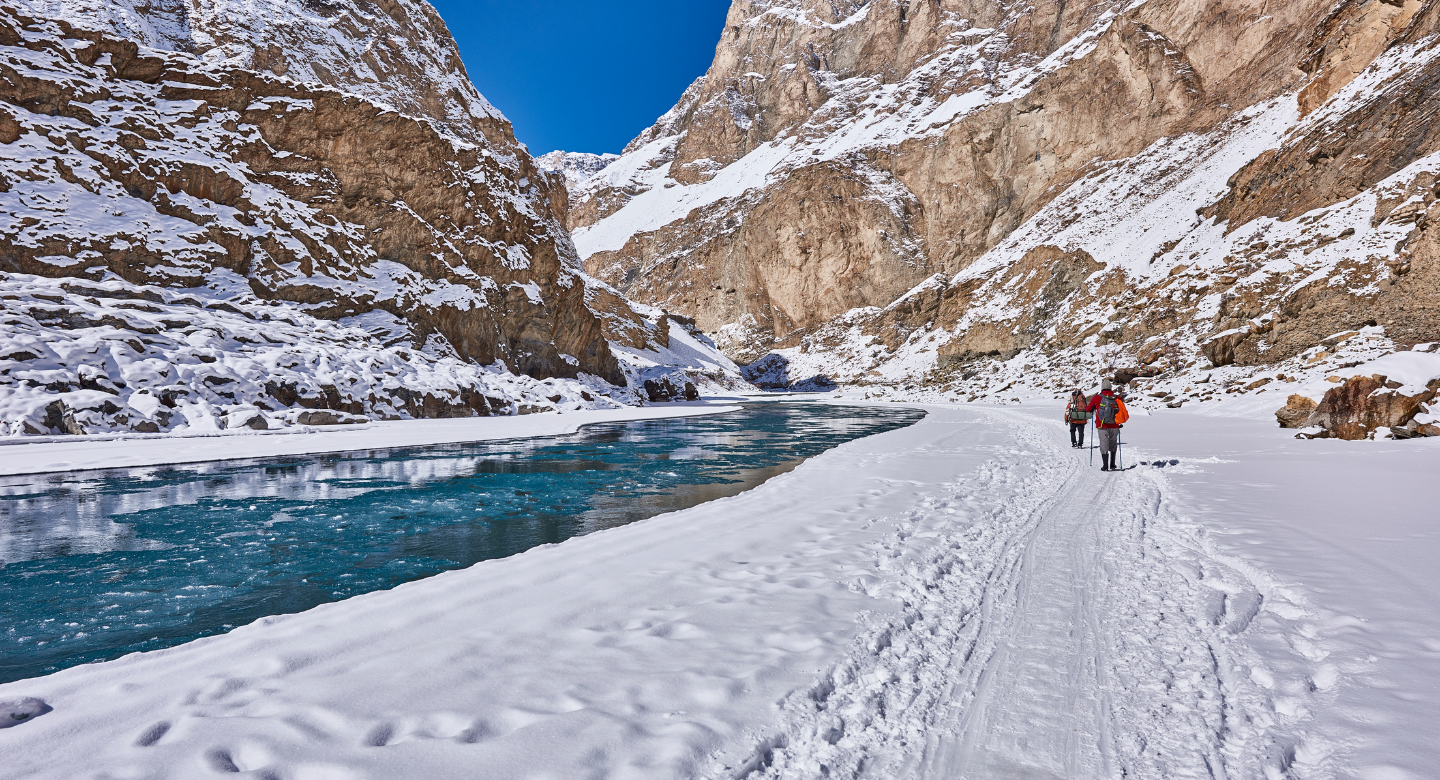
Chadar Trek January 2026 represents peak season for one of the world’s most extreme and spectacular winter trekking experiences. The Chadar Trek involves walking on the frozen Zanskar River through dramatic gorges in Ladakh’s winter landscape. January offers the best ice formation with thick, stable chadar (ice sheet) creating walkable surface conditions. This is NOT a beginner-friendly trek—temperatures plummet to -25°C to -30°C, demanding extreme preparation and resilience.
This comprehensive guide is for experienced trekkers seriously considering the Chadar Trek, a frozen river walk, during peak winter conditions. Understanding the Zanskar River trek in winter challenges ensures you’re genuinely prepared for this demanding expedition. The Chadar Trek preparation guide covers everything from physical training to mental readiness for extreme cold isolation.
What Is the Chadar Trek?
Meaning of “Chadar” (Ice Sheet)
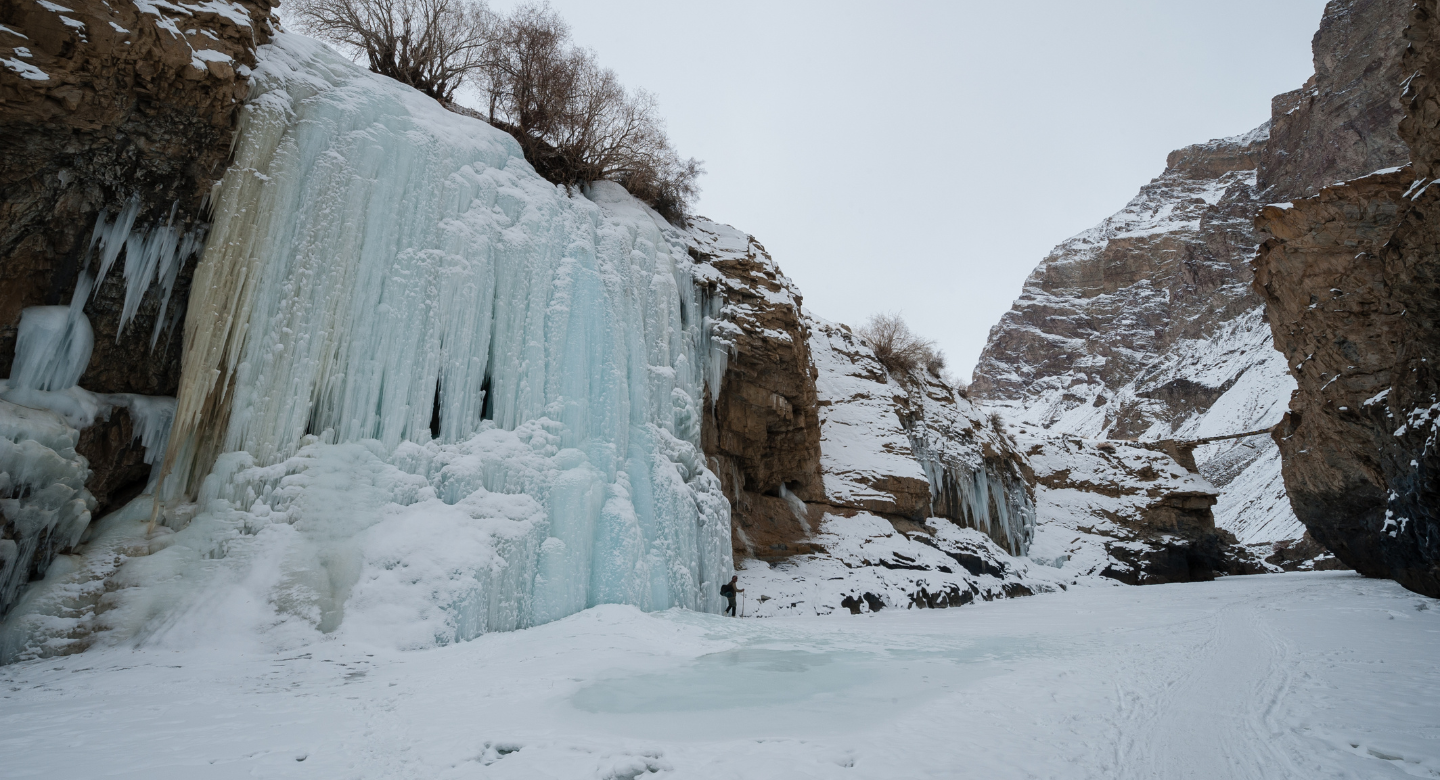
Chadar literally means “blanket” or “sheet” in Hindi/Urdu, referring to the frozen river surface. During peak winter, the Zanskar River freezes, creating a white ice sheet covering the flowing water beneath. This natural phenomenon occurs only during January and February, when temperatures remain consistently below freezing for weeks. The Chadar Trek frozen river walk follows this ice sheet through stunning 600-meter-deep gorges carved over millennia.
Walking on the Frozen Zanskar River
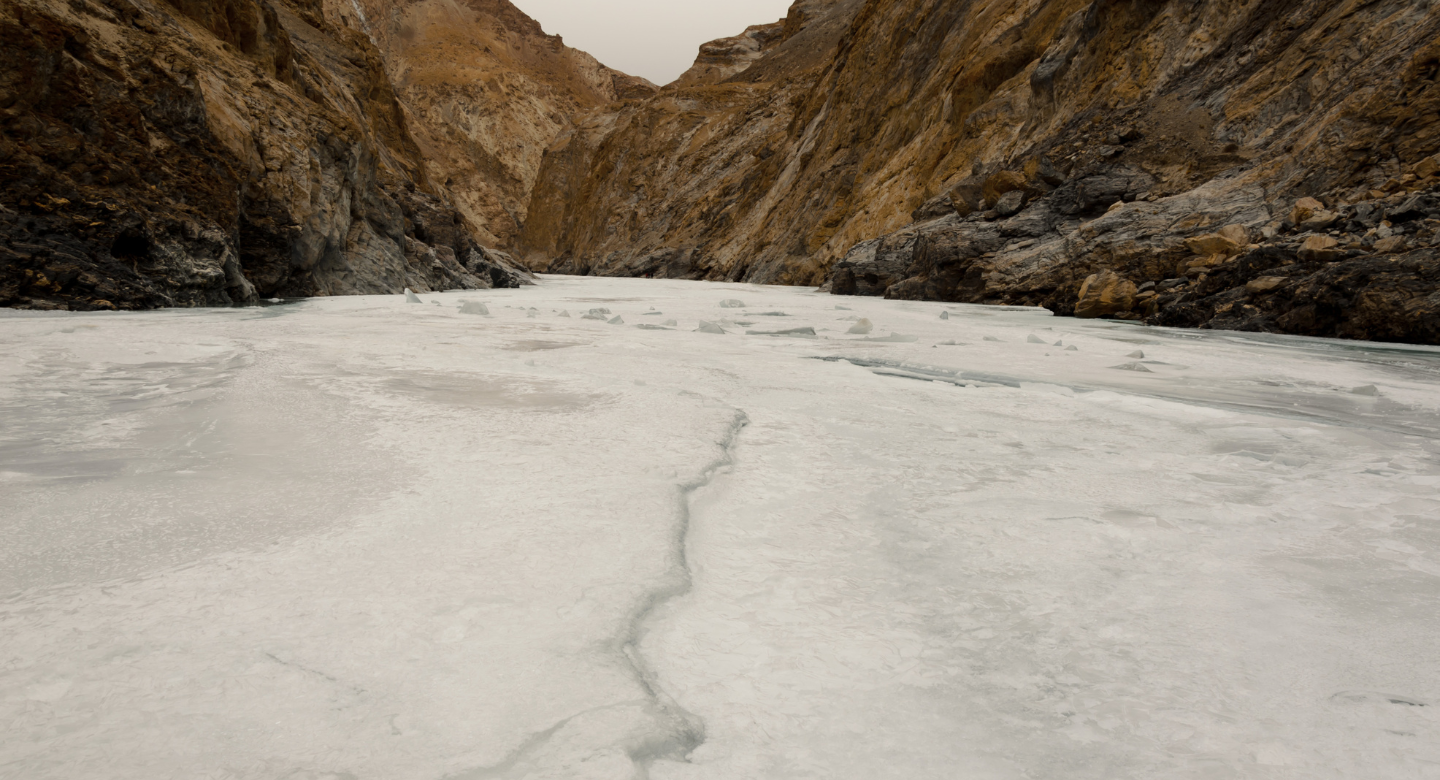
Trekkers literally walk on the frozen river surface, navigating around ice formations, boulders, and occasional open water sections. The ice varies from thick stable sections to thinner risky areas requiring constant vigilance and local knowledge. River sections alternate with land trails when ice becomes unsafe or non-existent, requiring flexibility throughout. This unique terrain makes the Zanskar River trek in winter unlike any other trekking experience globally available.
Cultural Importance for Local Zanskari Communities
For centuries, frozen Zanskar River served as winter lifeline connecting isolated Zanskar Valley with Leh. Local Zanskaris still use this route transporting supplies and traveling when mountain passes remain closed. The trek passes through traditional villages showcasing how communities survive complete winter isolation for months. Respecting this living culture and fragile ecosystem is crucial responsibility for all Chadar Trek January 2026 participants.
Chadar Trek January 2026: Conditions You Should Expect
Average Temperatures (Day & Night)
- Daytime: -5°C to -15°C when sunny with temperatures rising slightly midday providing brief relief.
- Nighttime: -20°C to -30°C creating genuinely life-threatening conditions without proper gear and shelter. Wind chill inside gorges can make temperatures feel -35°C to -40°C cutting through layers relentlessly. These extreme conditions define Chadar Trek frozen river walk making it unsuitable for anyone unprepared mentally or physically.
Ice Thickness and Stability
January typically offers 6-12 inches of ice thickness providing safe walking conditions on most sections. Early January may have thinner ice in certain areas requiring careful route selection by experienced guides. Late January sometimes sees ice breaking from temperature fluctuations creating dangerous detours around open water. Ice stability varies daily—what was solid yesterday might crack today requiring constant assessment and adaptation.
Daylight Hours in January
Sunrise around 7:30 AM, sunset by 5:30 PM, provides only 10 hours of daylight for trekking activities. Short days limit daily walking distance, forcing early starts and efficient movement throughout available light. Headlamps are essential for pre-dawn preparations and post-sunset camp activities in complete darkness. Limited daylight is a major Zanskar River trek in winter challenge requiring disciplined schedule adherence always.
Wind Chill Inside the Gorge
Gorge funnels wind, creating brutal wind chill exponentially worse than ambient temperature readings suggest. Exposed skin freezes within minutes, requiring complete coverage of the face, hands, and any exposed areas. Wind stops are rare—exposed sections demand continuous movement, preventing dangerous heat loss while walking. This wind chill factor makes the Chadar Trek preparation guide’s emphasis on proper face protection absolutely critical.
Route Overview: Frozen River Walk Explained
Starting Point: Chilling/Tilad Do
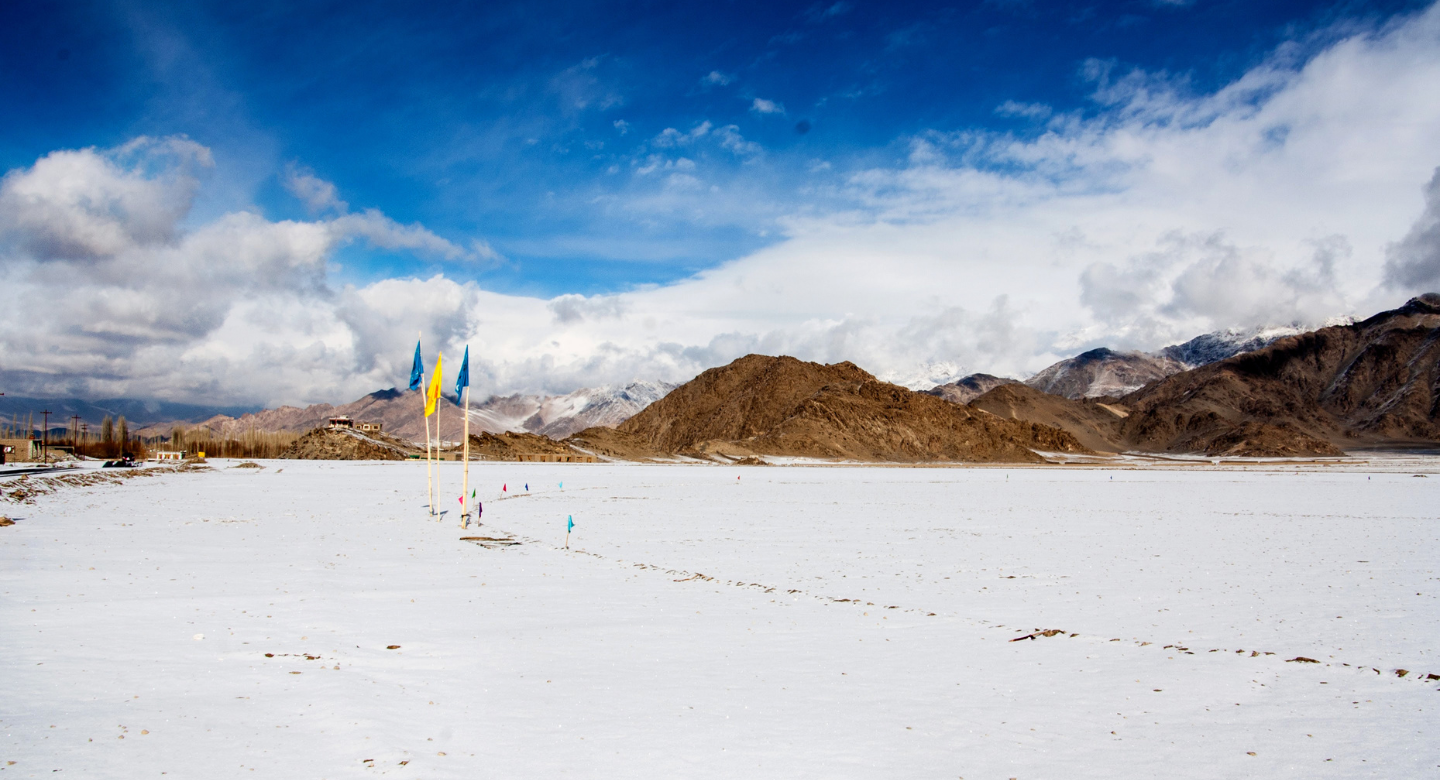
Most Chadar Trek January 2026 expeditions start from Chilling village (10,800 feet) or Tilad Do depending on ice conditions. Vehicle access terminates here beginning the frozen river walk through increasingly dramatic gorge scenery ahead. Initial sections provide relatively gentle introduction to ice walking before more challenging terrain develops progressively.
Major Campsites
- Shingra Koma (Day 1-2): First campsite offering basic facilities and adaptation to extreme cold conditions.
- Tibb Cave (Day 3-4): Natural cave providing shelter from wind becoming critical during bad weather.
- Nerak Falls (Day 5): Turnaround point featuring stunning frozen waterfall creating spectacular photographic opportunities. Most groups spend night at Nerak or nearby before beginning return journey retracing route.
Total Distance & Daily Walking Hours
Complete trek covers approximately 105 kilometers round trip over 8-9 days depending on pace and conditions. Daily walking averages 5-7 hours moving slowly and carefully on unstable ice surfaces throughout. Rest days and weather delays are common—flexible itineraries are essential for Chadar Trek frozen river walk success.
Ice Walking vs Land Sections
Approximately 70% of route follows frozen river while 30% uses land trails around dangerous ice sections. Land sections provide relief from ice walking but often involve steep rocky climbs and descents. The mix keeps trek interesting while presenting varied challenges requiring different skills and stamina throughout.
Difficulty Level & Who Should Attempt It
Physical Fitness Requirements
Excellent cardiovascular endurance for 5-7 hour daily walking carrying 6-8 kg backpack at minimum altitude. Strong legs and core for maintaining balance on uneven, slippery ice surfaces preventing exhausting falls. Cold weather fitness differs from warm weather—bodies work harder maintaining temperature depleting energy rapidly. Zanskar River trek in winter demands fitness levels exceeding most regular Indian Himalayan treks significantly.
Mental Endurance in Extreme Cold
Constant discomfort from cold, wind, and harsh conditions tests mental resilience more than fitness. Monotonous white landscape and repetitive ice walking challenge psychological endurance throughout long days. Accepting discomfort without complaining or panicking separates successful trekkers from those struggling dangerously throughout. Mental toughness is equally important as physical preparation for Chadar Trek January 2026 completion successfully.
Prior High-Altitude Trekking Experience Recommended
Previous winter trekking experience helps understand cold management, layering, and personal limits realistically assessed. High-altitude experience provides familiarity with altitude effects even though Chadar stays relatively low (11,000 feet). First-time trekkers should gain experience on easier winter treks before attempting this extreme expedition. This Chadar Trek preparation guide assumes you’ve already completed 2-3 winter treks successfully previously.
Why Beginners Should Reconsider
Chadar combines extreme cold, ice walking, isolation, and basic facilities creating overwhelming challenge for beginners. Mistakes that cause discomfort on easier treks can cause life-threatening situations on Chadar requiring experience. No amount of fitness compensates for lack of winter trekking experience understanding cold management principles. Build experience gradually—Chadar will still be there after you’ve prepared adequately through easier expeditions.
Permits, Regulations & Local Guidelines (2026 Update)
All Chadar Trek January 2026 participants require permits from the Leh District Administration obtained through registered operators. Wildlife permits are necessary as the trek passes through wildlife sanctuary areas protecting fragile ecosystems throughout. Independent trekking is strongly discouraged and may be prohibited—guides ensure safety and environmental compliance. Group size limits exist, preventing overcrowding and environmental damage on the fragile frozen river ecosystem. Book permits 2-3 months in advance, as January slots fill quickly with limited daily entry permits issued.
How to Prepare for Chadar Trek (January-Specific)
Physical Preparation
Focus on endurance training—long walks at slower pace build stamina better than high-intensity intervals. Core strength and balance exercises prepare for ice walking preventing exhausting falls throughout days. Practice walking with weighted backpack simulating actual trek conditions and muscle demands realistically. Start training 3-4 months before Chadar Trek frozen river walk allowing adequate conditioning development.
Cold Acclimatization
Spend time in cold conditions before trek—cold showers, early morning walks adapting body gradually. Practice breathing through balaclava managing cold air intake preventing lung irritation during trek. Understand your personal cold tolerance and warning signs of frostbite or hypothermia requiring immediate action.
Mental Preparation
Accept that discomfort is constant—prepare mentally for being cold, uncomfortable, and challenged throughout. Practice following instructions without questioning—guides’ experience keeps groups safe requiring trust and discipline. Visualize challenging scenarios preparing mental responses preventing panic when difficulties arise during actual trek.
Clothing & Gear for Frozen River Walking
Layering strategy for Zanskar River trek in winter differs from other treks due to extreme cold. While walking: quick-dry base layer, fleece mid-layer, windproof outer shell preventing sweat accumulation. At camp: add down jacket and thermals providing insulation when activity stops and temperatures plummet. Waterproof insulated boots rated -30°C minimum with proper fit preventing blisters during extended walking. Microspikes or crampons providing traction on ice surfaces preventing dangerous slips throughout slippery sections. Multiple glove layers, balaclava, neck gaiter protecting extremities from frostbite in brutal wind chill.
Sleeping & Campsite Survival
Sub-zero sleeping bag rated -20°C comfort minimum ensuring warm sleep despite freezing tent conditions. Sleep in dry thermals inside sleeping bag never wearing damp trekking clothes causing dangerous cold. Hot water bottles, proper sleeping mat insulation, and tent mate body heat maintain survivable warmth throughout. Staying dry is paramount—moisture destroys insulation making hypothermia inevitable without proper management continuously.
Food, Hydration & Hygiene in Extreme Cold
Insulated water bottles or thermoses prevent water freezing though some freezing inevitable in extreme cold. High-calorie diet (4,000-5,000 calories daily) fuels body’s temperature maintenance and movement demands continuously. Hygiene becomes minimal—wet wipes for essential cleaning, accepting reduced standards as survival priority. Chadar Trek preparation guide must address realistic hygiene expectations in genuinely extreme conditions encountered.
Safety Risks on the Chadar Trek
Thin ice and breaking chadar create immediate drowning and hypothermia risks requiring constant vigilance. Frostbite affects fingers, toes, and face within minutes of exposure, requiring complete coverage to be always maintained. Hypothermia develops gradually through accumulated cold exposure, requiring recognition and immediate intervention to prevent deterioration. River crossings over ice and through water sections demand careful movement and guide assistance throughout. AMS can occur even at 11,000 feet, especially when combined with cold stress and physical exertion.
Emergency & Evacuation Scenarios
Helicopter evacuation extremely difficult in January due to weather and narrow gorges limiting landing options. Communication is limited—satellite phones may not work inside gorges requiring leaving gorge for signal. Medical emergencies may require 2-3 days evacuation to Leh making prevention critical for survival. Discipline following guide instructions literally saves lives preventing emergencies before they develop catastrophically during Chadar Trek January 2026.
Cost, Duration & Group Size (January 2026)
Trek duration: 8-9 days including travel from Leh and buffer days for weather delays. Cost: ₹25,000-₹35,000 per person including permits, guides, food, camping equipment, and logistics. Group sizes limited to 10-15 participants maintaining safety and environmental standards throughout expedition. January slots fill 2-3 months advance requiring early booking securing Chadar Trek frozen river walk participation.
Ethical & Environmental Responsibility
Frozen river ecosystem is fragile—zero waste policy mandatory carrying all trash back to Leh. Human waste management strictly regulated using designated areas preventing river contamination throughout. Respect local Zanskari culture—their winter lifeline is your adventure requiring humble grateful perspective. Environmental damage from tourism threatens this unique trek’s future requiring responsible behavior from all participants.
Is Chadar Trek in January 2026 Worth It?
Who Will Truly Enjoy It
Experienced winter trekkers seeking ultimate challenge and unique frozen river walking experience globally. Those who appreciate extreme environments understanding beauty often comes with extreme discomfort and challenge. People genuinely prepared mentally and physically accepting harsh conditions as integral part of experience.
Who Should Postpone or Choose Alternatives
First-time winter trekkers lacking experience managing extreme cold and isolation conditions encountered. Anyone uncomfortable with basic facilities, constant cold, and genuine physical hardship throughout days. Those seeking “Instagram moments” rather than authentic extreme trekking experience requiring total commitment throughout.
Chadar as Experience, Not Checklist Trek
Chadar Trek January 2026 should be attempted for right reasons—genuine interest in extreme trekking experiences. This isn’t a trek to “check off” or brag about without appreciating challenges and beauty. The experience transforms those properly prepared while overwhelming those attempting it casually without preparation.
Chadar Demands Respect, Not Just Preparation
The extreme beauty of the frozen Zanskar River trek in winter comes with extreme responsibility and preparation requirements. January offers magical ice formations but remains utterly unforgiving to underprepared or careless participants. This Chadar Trek preparation guide provides a foundation, but cannot substitute for personal experience and judgment. Respect the trek, respect the conditions, respect local communities whose winter lifeline you temporarily share. Chadar Trek January 2026 rewards the prepared with unforgettable experiences while punishing the unprepared severely and dangerously.
Explore More Blogs
Renting vs Buying Winter Gear: Cost Analysis for Trekkers
Personal Hygiene on Winter Treks: Tips That Actually Work
Frequently Asked Questions (FAQs) For Chadar Trek January 2026
Is Chadar Trek suitable for beginners?
No, Chadar Trek demands extensive winter trekking experience and extreme cold tolerance. Temperatures reach -30°C requiring mental and physical preparation beyond typical treks. Attempt 2-3 easier winter treks first building necessary skills and experience. Chadar Trek frozen river walk is expert-level expedition unsuitable for first-time winter trekkers.
What is the best time for Chadar Trek?
Mid-January to early February offers best ice formation and stable walking conditions. Chadar Trek January 2026 represents peak season with thick ice and established routes. Late January sometimes sees ice breaking requiring detours and flexibility throughout. Avoid early December or late February when ice is unstable or melting.
How cold does it get on Chadar Trek?
Daytime temperatures range -5°C to -15°C while nights plummet to -25°C to -30°C. Wind chill makes it feel -35°C to -40°C inside gorges cutting through layers. Proper extreme cold gear rated for these temperatures is mandatory for survival. Zanskar River trek in winter experiences some of India’s coldest trekking conditions.
Can I do Chadar Trek independently?
Independent trekking is strongly discouraged and may be prohibited by authorities. Guides provide crucial ice safety knowledge, route finding, and emergency support. Solo trekking risks are unacceptable given extreme conditions and limited evacuation options. Always trek with certified operators following regulations for Chadar Trek January 2026.
What fitness level is required?
Excellent cardiovascular endurance for 5-7 hour daily walking on unstable ice surfaces. Strong core and leg strength maintaining balance preventing exhausting repeated falls. Previous high-altitude and winter trekking experience demonstrating proven cold tolerance. Fitness alone insufficient—experience managing extreme cold equally important for success.
How much does Chadar Trek cost?
Expect ₹25,000-₹35,000 per person for complete organized trek including permits and logistics. Costs include guides, food, camping equipment, permits, and transportation from Leh. Budget additional ₹5,000-₹10,000 for gear rental, travel to Leh, and contingencies. Chadar Trek preparation guide budgeting should account for quality gear investment ensuring safety.
Is altitude sickness common on Chadar Trek?
Less common than higher altitude treks but can occur at 11,000 feet elevation. Cold stress combined with exertion sometimes triggers altitude symptoms requiring monitoring. Proper acclimatization in Leh (2-3 days) before trek minimizes risks significantly. Listen to your body descending immediately if severe symptoms develop during trek.
What happens if ice breaks while walking?
Experienced guides constantly assess ice safety choosing stable routes avoiding dangerous sections. If ice breaks, immediate evacuation from water critical preventing hypothermia within minutes. Spare dry clothes and emergency procedures are essential Zanskar River trek in winter safety measures. Following guide instructions precisely prevents most dangerous ice incidents occurring.
Can I charge devices on Chadar Trek?
No electricity available at campsites—bring fully charged power banks for entire trek. Cold drastically reduces battery life requiring devices kept warm in inner pockets. Limit device usage to essentials conserving power for emergencies and navigation only. Solar chargers ineffective due to short winter days and cold reducing panel efficiency.
What makes January better than February?
January offers thicker, more stable ice compared to February, when melting begins. Chadar Trek January 2026 slots fill faster due to optimal conditions and predictability. February sees more ice breaking, requiring extensive detours and increased risk throughout. January provides the best balance of walkable ice and established route conditions.