

Born on June 9, 1993, in Noida, India, Arjun Vajpai has established himself as one of India’s most accomplished mountaineers. From becoming the youngest Indian to scale Mount Everest at just 16 to conquering eight of the world’s fourteen 8,000-meter peaks, his journey is one of extraordinary determination, resilience, and triumph over adversity.
Early Life and Discovery of Passion
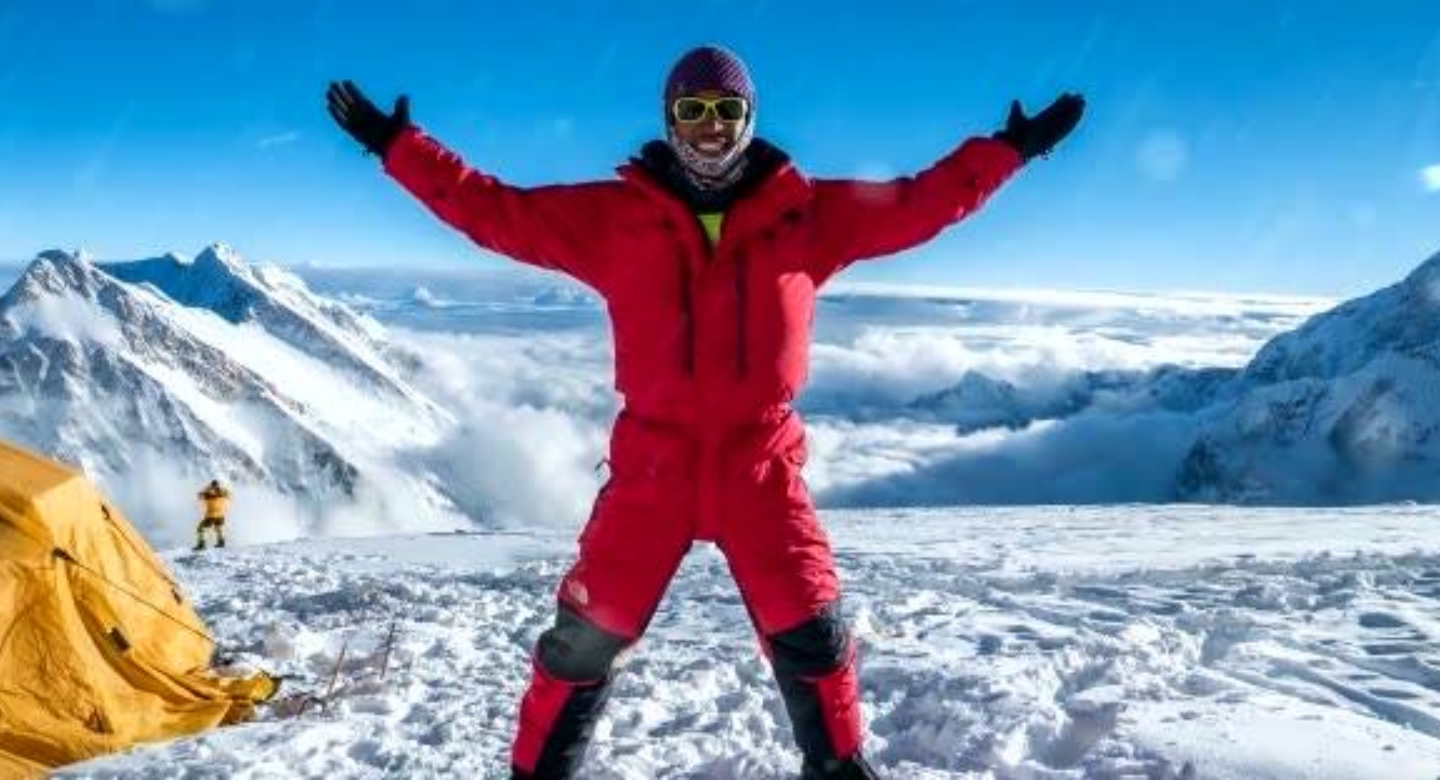
Arjun was welcomed into the world by his parents, Capt. Sanjeev Vajpai and Priya Vajpai. Growing up in Noida and attending Ryan International School, Arjun was always drawn to physical activities rather than classroom studies. His fascination with mountaineering and adventure began at an early age, setting the foundation for what would become a record-breaking career.
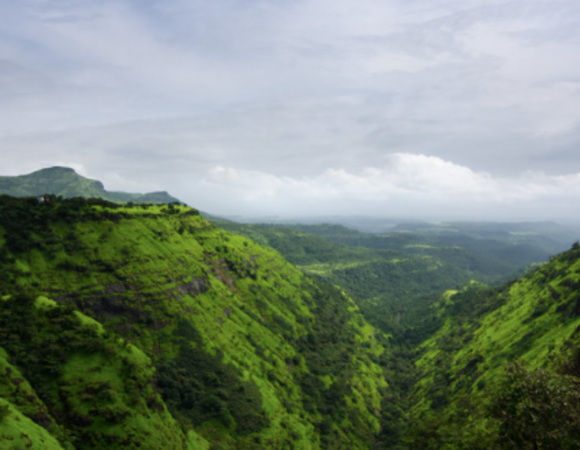
The defining moment in Arjun’s life came when he was just 13 years old. During a trip to the Sahyadri Hills in Pune with his grandfather, Arjun reached the summit of a local peak and was mesmerized by the view. When he expressed his awe to his grandfather, saying, “If it looks so amazing from here, how amazing it would look from the top of the world!” his grandfather told him about Mount Everest. This conversation sparked a dream that would shape the rest of his life.
Training and Preparation
Arjun’s journey to becoming a mountaineer began in earnest in 2009 when he enrolled in the Basic Mountaineering Course at the Nehru Institute of Mountaineering (NIM) in Uttarkashi. His exceptional performance earned him immediate admission to the Advanced Mountaineering Course at the same institution.
During his advanced course, Arjun successfully reached the summit of Mt. DKD2. It was during this expedition that his instructor, recognizing his extraordinary stamina and skill, suggested he attempt to become the youngest person to reach the summit of Mount Everest.
The First Major Challenge: Funding the Dream
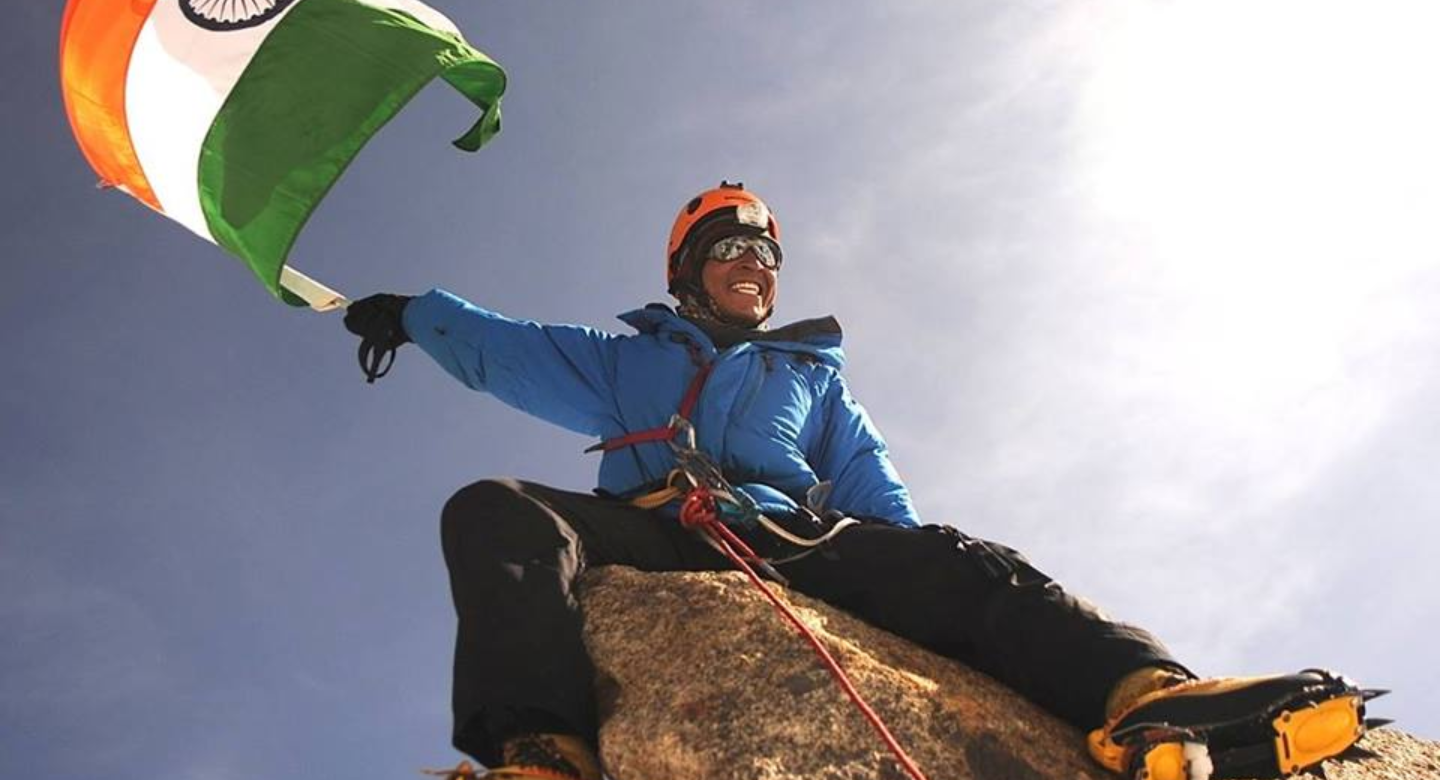
After returning from his Advanced Mountaineering Course, Arjun was determined to climb Mount Everest. However, the financial barriers were substantial. An Everest expedition in 2010 cost approximately INR 30,00,000 (about $40,000), an astronomical sum for a 16-year-old.
What began as a personal dream soon captured the imagination of an entire nation. Through the tireless efforts of Arjun’s parents, donations began pouring in from across India. People from all walks of life, including those with modest means, contributed whatever they could to help Arjun realize his dream. This collective support transformed his individual ambition into a national aspiration.
Historic Achievement: Conquering Mount Everest
On May 22, 2010, at the age of 16 years and 11 months, Arjun Vajpai etched his name in history by becoming the youngest Indian to summit Mount Everest, the world’s highest peak at 8,848 meters. This remarkable achievement not only demonstrated his exceptional climbing abilities but also showcased his mental fortitude and determination. Currently, he holds the position as the third youngest person in the world to have accomplished this incredible feat.
Setting Sights Higher: The Grand Slam of Mountaineering
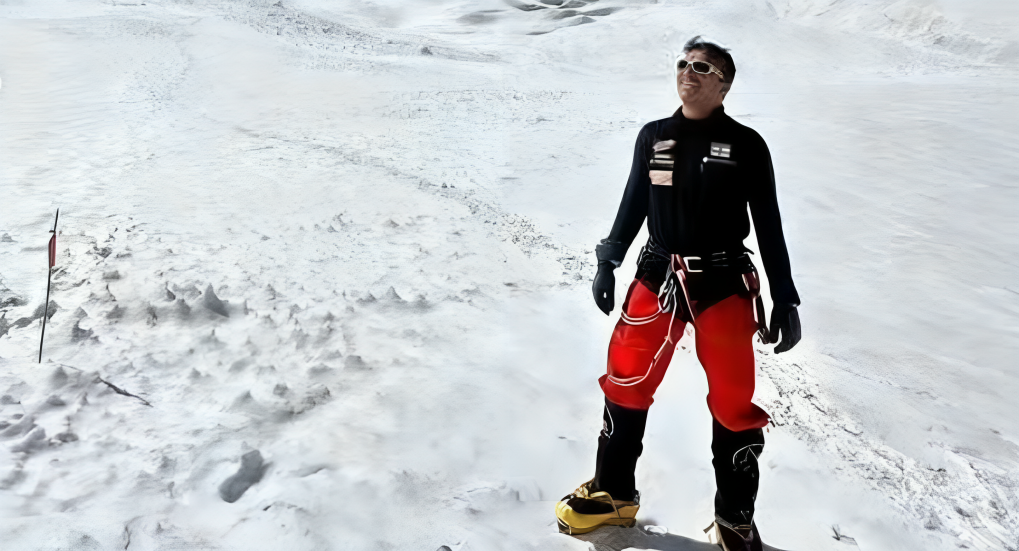
Following his Everest success, Arjun set his sights on an even more ambitious goal: to summit all 14 highest peaks in the world over 8,000 meters, often referred to as “The Grand Slam of Mountaineering.” His Everest triumph garnered attention from media worldwide, and more people began to believe in his dream.
In 2011, Arjun successfully reached the summits of Mt. Lhotse (8,516m) and Mt. Manaslu (8,163m), becoming the youngest person in the world to summit each of these peaks and the youngest to conquer two 8,000m peaks in a single year.
Facing Death: The Mt. Cho Oyu Challenge
Arjun’s journey took a nearly fatal turn in 2012 when he attempted to climb Mt. Cho Oyu (8,201m). During this expedition, he suffered from Cerebral Venous Thrombosis, a life-threatening condition at high altitude that caused paralysis on the left side of his body. Sherpas on the mountain declared him clinically dead.
In what can only be described as miraculous, Arjun managed to survive this near-death experience. He was evacuated to Delhi where he underwent extensive treatment and medication for nearly six months. Many believed his mountaineering career was over, but Arjun’s story was far from finished.
The Makalu Challenge: Persistence Personified
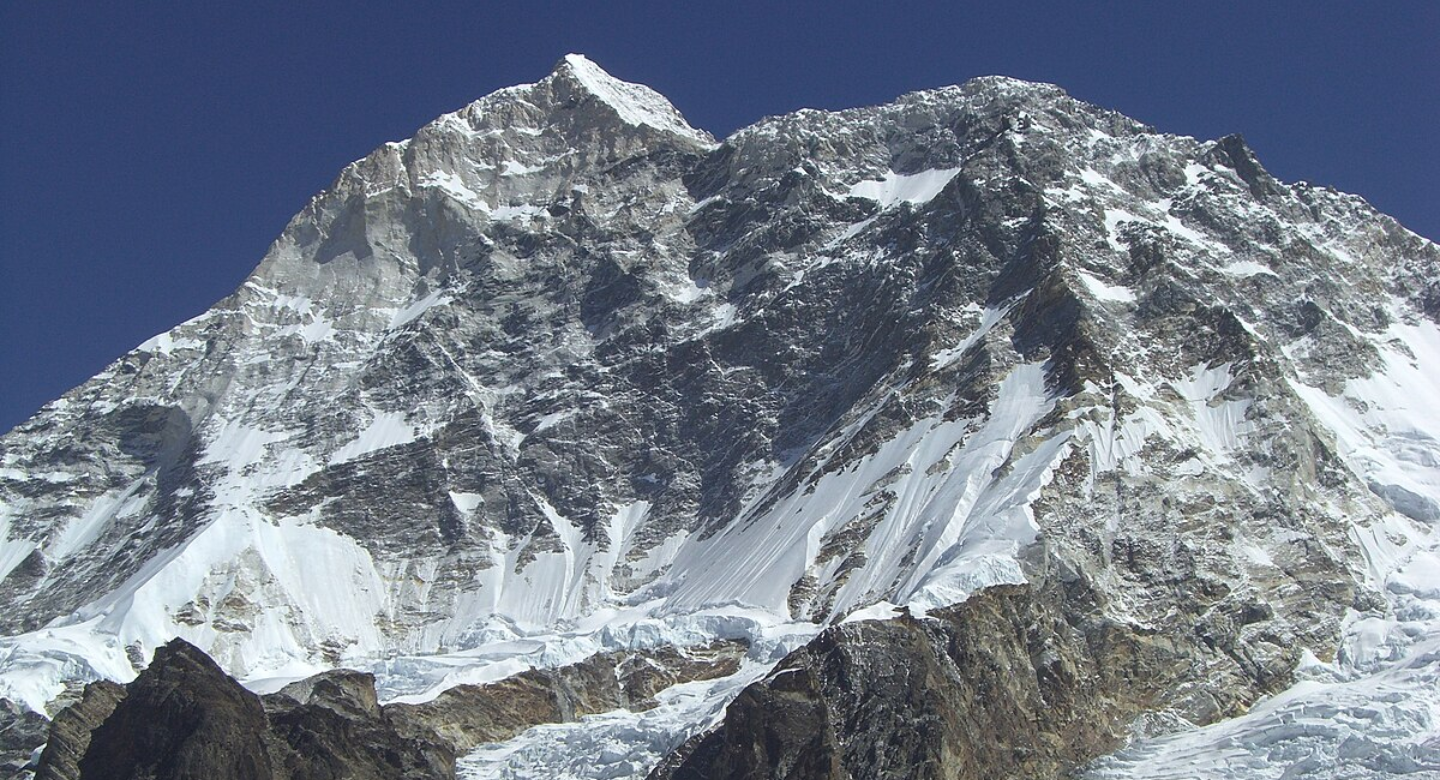
Against all odds and medical advice, Arjun returned to mountaineering in 2013, setting his sights on Mt. Makalu, the world’s fifth-highest peak at 8,485 meters and one of the most technically challenging 8,000m mountains.
His first attempt in 2013 was unsuccessful. Undeterred, he tried again in 2014, but once more had to turn back. His third attempt in 2015 coincided with the devastating Nepal earthquake, which trapped him on the mountain. Despite the extreme danger, Arjun managed to return home safely after this tragedy.
Finally, in 2016, after three failed attempts, Arjun conquered Mt. Makalu. That same year, he returned to Mt. Cho Oyu—the very mountain that had nearly claimed his life four years earlier—and successfully reached its summit. With these accomplishments, he became the youngest person to scale five peaks above 8,000 meters.
Continuing the Journey: Kangchenjunga and Beyond
In 2017, Arjun attempted to climb Kangchenjunga, India’s highest and the world’s third-highest mountain at 8,586 meters. Due to adverse weather conditions, he was forced to abandon the expedition. However, true to his spirit, he returned in 2018 and successfully summited this formidable peak, adding a sixth 8,000m mountain to his impressive resume.
Recent Triumphs: Annapurna and Shishapangma
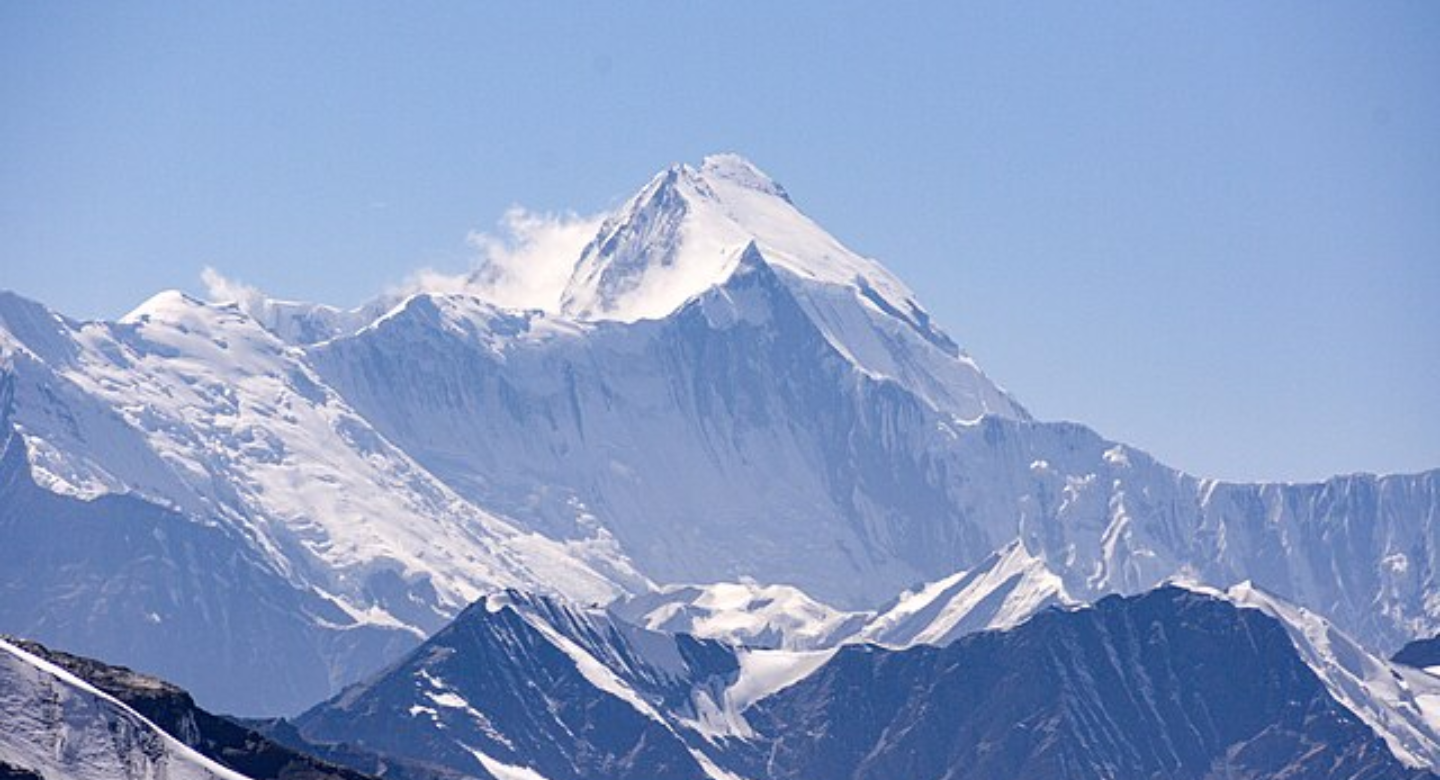
Arjun’s quest to conquer all fourteen 8,000-meter peaks continued with his successful ascent of Mt. Annapurna in 2023. Then, on October 9, 2024, at the age of 30, he achieved another historic milestone by becoming the first Indian to summit Mt. Shishapangma (8,027m) in Tibet, China.
This latest achievement was remarkable in multiple ways:
- First Indian to reach the summit of Mt. Shishapangma
- Fastest ascent of Mt. Shishapangma (Base Camp to Summit and back in under 72 hours)
- First Indian to climb eight 8,000-meter peaks
- Fastest Indian ascent of an 8,000-meter peak in China
Arjun successfully reached the summit at 7:45 am IST and communicated his success to his father through satellite phone after completing the treacherous climb. It’s worth noting that Mt. Shishapangma is extremely dangerous, having claimed the lives of 25 climbers who attempted to conquer it.
Arjun’s 8,000m Summits to Date
- Mt. Everest (8,848m) – 2010
- Mt. Lhotse (8,516m) – 2011
- Mt. Manaslu (8,163m) – 2011
- Mt. Makalu (8,485m) – 2016
- Mt. Cho Oyu (8,201m) – 2016
- Mt. Kangchenjunga (8,586m) – 2018
- Mt. Annapurna (8,091m) – 2023
- Mt. Shishapangma (8,027m) – 2024
With six peaks remaining, Arjun is more than halfway through his goal of becoming the first Indian to complete the Grand Slam of Mountaineering.
Training Philosophy and Approach
Arjun’s approach to mountaineering is characterized by rigorous preparation:
- Physical Training: He maintains a strict fitness regimen that includes cardiovascular exercises, strength training, and endurance building.
- Technical Skills: Continuous improvement of climbing techniques, rope work, and navigation.
- Mental Conditioning: Meditation and mental exercises to prepare for the psychological challenges of high-altitude climbing.
- Acclimatization: Carefully planned strategies to adapt to extreme altitudes.
Contributions to Indian Mountaineering
Beyond his personal achievements, Arjun has made significant contributions to mountaineering in India:
- Inspiration: His success has inspired a new generation of Indian climbers to pursue high-altitude mountaineering.
- Awareness: Through his expeditions, he has raised awareness about environmental issues affecting the Himalayas.
- Recognition: Putting India on the global mountaineering map with his numerous records and achievements.
- Mentorship: Sharing his knowledge and experience with aspiring climbers.
Challenges Faced
Like many Indian athletes in non-mainstream sports, Arjun has faced numerous challenges:
- Financial Constraints: Limited sponsorship opportunities for mountaineering expeditions, which are extremely costly.
- Infrastructure: Lack of specialized training facilities in India.
- Health Risks: Dealing with the physical toll of high-altitude climbing, including paralysis and other altitude-related illnesses.
- Mental Obstacles: Overcoming the psychological impact of failed attempts and near-death experiences.
Recognition and Legacy
At just 30 years old, Arjun has already secured his place in the history of mountaineering:
- He holds recognition in the Guinness World Records for being the youngest person to climb Mt. Everest (2010) and Mt. Lhotse (2011).
- He’s the first Indian to summit Mt. Shishapangma and the first to conquer eight 8,000-meter peaks.
- His recovery from paralysis to continue his mountaineering journey has earned him the nickname “The Dead Man Returning”—a testament to his remarkable resilience.
Philosophy and Spirit
Arjun lives by the mantra: “Success in life comes when you simply refuse to give up.” This principle has guided him through his numerous expeditions and challenges. As he often says, “It always seems impossible until it’s done.”
His approach to mountaineering emphasizes:
- Respect for the mountains and nature
- Calculated risk-taking rather than reckless adventure
- Perseverance in the face of seemingly insurmountable challenges
- Balance between ambition and safety
Future Aspirations
Arjun continues to pursue his goal of becoming the first Indian to summit all fourteen 8,000-meter peaks in the world. With eight peaks already conquered, he has six remaining:
- K2 (8,611m)
- Broad Peak (8,051m)
- Gasherbrum I (8,080m)
- Gasherbrum II (8,035m)
- Dhaulagiri (8,167m)
- Nanga Parbat (8,126m)
Final Thoughts About His Journey
Arjun Vajpai’s journey from a teenage climber to an internationally recognized mountaineer exemplifies the spirit of adventure, determination, and resilience. His story is not just about climbing mountains but about overcoming personal limitations, defying medical odds, and representing India on the world’s highest peaks.
As he continues his quest to conquer the remaining six 8,000-meter peaks, Arjun carries the hopes and dreams of a nation with him. His journey serves as a powerful reminder that with passion, perseverance, and unwavering determination, even the loftiest goals—like standing on top of the world’s highest mountains—can be achieved.
Arjun’s story is far from complete. Each new summit adds another chapter to his remarkable legacy, inspiring future generations to reach for the heights, both literal and metaphorical, that seem beyond their grasp.
Stay Connected With Arjun Vajpai
Instagram : arjunvajpai
Explore the Journeys of Other Great Climbers
Wanda Rutkiewicz: Conquering Heights, Breaking Barriers
Colonel Ranveer Jamwal: The Mountaineering Legend of India
Frequently Asked Questions (FAQs) About Arjun Vajpal
Who is Arjun Vajpai?
Arjun Vajpai is an Indian mountaineer born on June 9, 1993, who became famous for being the youngest Indian to summit Mount Everest at the age of 16 years and 11 months in 2010. He has since conquered eight of the world’s fourteen 8,000-meter peaks and continues to pursue his goal of completing all fourteen summits.
Did Arjun Vajpai face any life-threatening situations during his expeditions?
Yes, in 2012, while attempting to climb Mt. Cho Oyu, Arjun suffered from Cerebral Venous Thrombosis that left him paralyzed from the left side of his body. He was declared clinically dead by sherpas on the mountain but miraculously survived and was evacuated to Delhi for treatment. After nearly six months of recovery, he returned to mountaineering, earning him the nickname “The Dead Man Returning.”
How did Arjun Vajpai get into mountaineering?
Arjun discovered his passion for mountaineering at age 13 when he climbed a local peak in the Sahyadri Hills with his grandfather. Upon seeing the view from the top, he asked how amazing the view from the “top of the world” would be, and his grandfather told him about Mount Everest. This sparked his interest in high-altitude climbing. He later trained at the Nehru Institute of Mountaineering in Uttarkashi.
How did Arjun fund his first Everest expedition?
Arjun’s first Everest expedition in 2010, which cost approximately INR 30,00,000 (about $40,000), was funded through donations from people across India. After his parents’ rigorous efforts to raise awareness about his dream, people from all walks of life contributed whatever they could, transforming his personal ambition into a national aspiration.
What is Arjun Vajpai’s ultimate mountaineering goal?
Arjun’s ultimate goal is to become the first Indian to complete “The Grand Slam of Mountaineering” by summiting all fourteen 8,000-meter peaks in the world. As of October 2024, he has successfully climbed eight peaks and has six remaining.
What mountains has Arjun Vajpai successfully climbed so far?
Mt. Everest (8,848m) – 2010
Mt. Lhotse (8,516m) – 2011
Mt. Manaslu (8,163m) – 2011
Mt. Makalu (8,485m) – 2016
Mt. Cho Oyu (8,201m) – 2016
Mt. Kangchenjunga (8,586m) – 2018
Mt. Annapurna (8,091m) – 2023
Mt. Shishapangma (8,027m) – 2024
What records does Arjun Vajpai currently hold?
Arjun holds several records, including:
Youngest Indian to summit Mt. Everest (at age 16)
First Indian to summit Mt. Shishapangma
Fastest ascent of Mt. Shishapangma (Base Camp to Summit and back in under 72 hours)
First Indian to climb eight 8,000-meter peaks
Fastest Indian ascent of an 8,000-meter peak in China
Recognition in the Guinness World Records for being the youngest person to climb Mt. Everest (2010) and Mt. Lhotse (2011)
What mountains does Arjun Vajpai still need to climb to complete his goal?
To complete his goal of summiting all fourteen 8,000-meter peaks, Arjun still needs to conquer:
K2 (8,611m)
Broad Peak (8,051m)
Gasherbrum I (8,080m)
Gasherbrum II (8,035m)
Dhaulagiri (8,167m)
Nanga Parbat (8,126m)

[…] Arjun Vajpai – The Extraordinary Indian Mountaineer […]