Master battery life in winter with proven strategies for keeping devices charged during cold treks. Learn power management and cold-weather charging techniques.
Why Batteries Fail Faster in Winter
Battery life in winter becomes a critical safety concern when phones suddenly die at 60-70% charge in freezing conditions. Cold weather acts as a hidden trekking challenge, draining devices faster than most people anticipate or prepare for. Navigation apps, emergency communication, and photography—all depend on maintaining adequate battery power throughout multi-day expeditions. A dead phone means no GPS, no emergency calls, no flashlight when you desperately need these functions. Understanding how cold affects battery life prevents dangerous situations where devices fail exactly when needed most. This comprehensive guide covers power management on winter treks, ensuring your devices remain functional throughout challenging conditions. Smart battery strategies become as important as proper clothing and gear for winter mountain safety.
How Cold Temperatures Affect Batteries
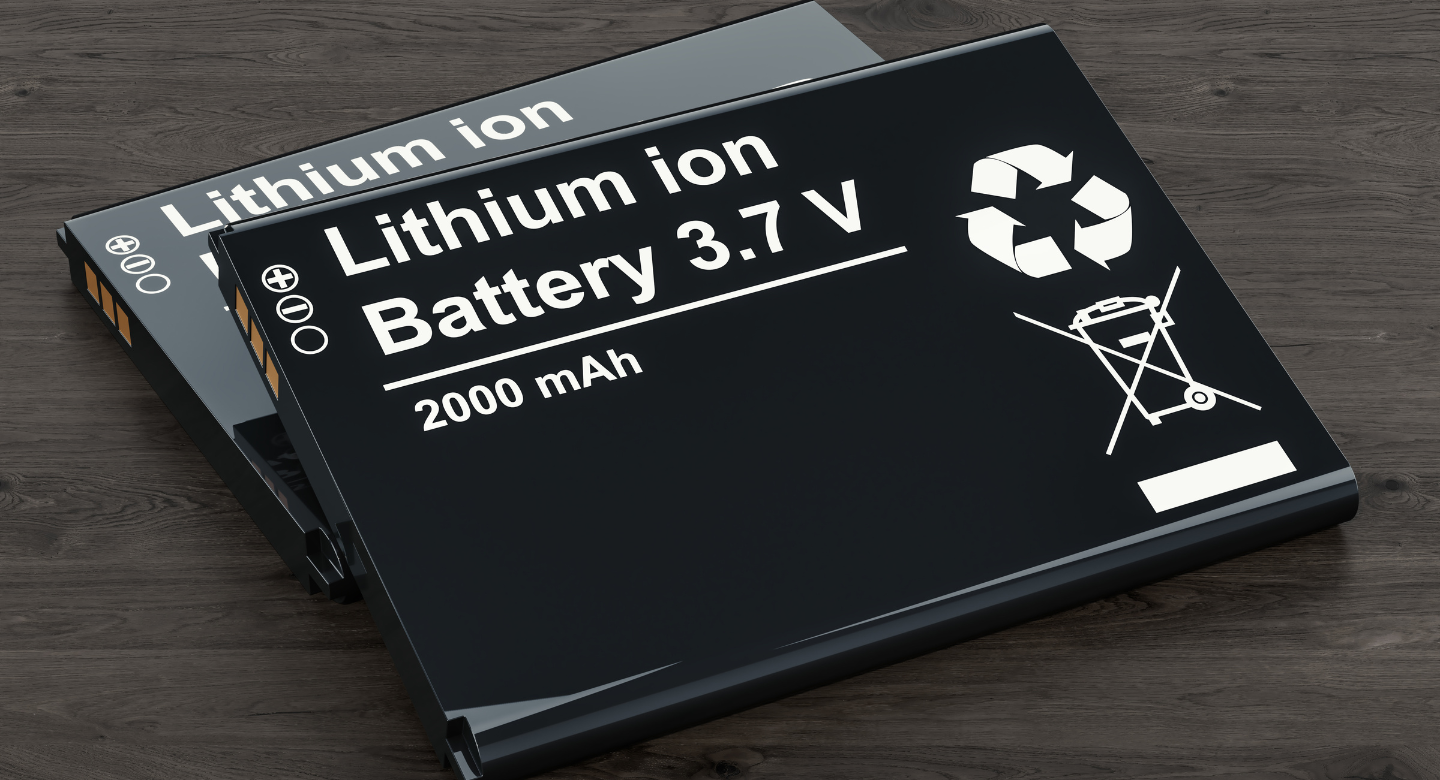
Lithium-Ion Chemistry Explained Simply
Lithium-ion batteries power smartphones, cameras, headlamps, and most modern devices we carry trekking everywhere. These batteries generate electricity through chemical reactions between lithium ions moving between positive and negative electrodes. The electrolyte liquid inside batteries facilitates ion movement creating electrical current powering our devices continuously. Temperature dramatically affects how quickly and efficiently these chemical reactions occur throughout battery operations.
Slower Chemical Reactions in Cold
Cold temperatures slow molecular movement reducing chemical reaction speeds inside batteries significantly and measurably. This slowdown means batteries cannot deliver power as quickly as warm temperatures allow normally. Your phone shows 70% charge but acts dead because cold prevents battery delivering power despite capacity remaining. How cold affects battery life primarily through this reaction-slowing mechanism rather than actual capacity loss. Warming the battery restores normal function recovering the “lost” charge seemingly miraculously when temperatures rise.
Temporary vs Permanent Battery Loss
Most cold-induced battery loss is temporary—warming restores functionality and available charge completely without damage. However, repeated freeze-thaw cycles can permanently damage battery chemistry reducing overall capacity over time progressively. Charging batteries in freezing conditions causes permanent damage through lithium plating on electrodes irreversibly degrading performance. Understanding this distinction helps keeping devices charged in cold weather without causing permanent battery harm.
Why Altitude Worsens the Problem
Lower atmospheric pressure at altitude affects battery performance compounding cold temperature effects on chemical reactions. Reduced pressure can cause battery swelling and leakage in extreme cases though rarely at trekking altitudes. The combination of cold and altitude creates worst-case scenario for battery life in winter treks demanding extra precautions. Altitude also means colder temperatures making device warming strategies even more crucial for functionality.
Devices Most Affected on Winter Treks
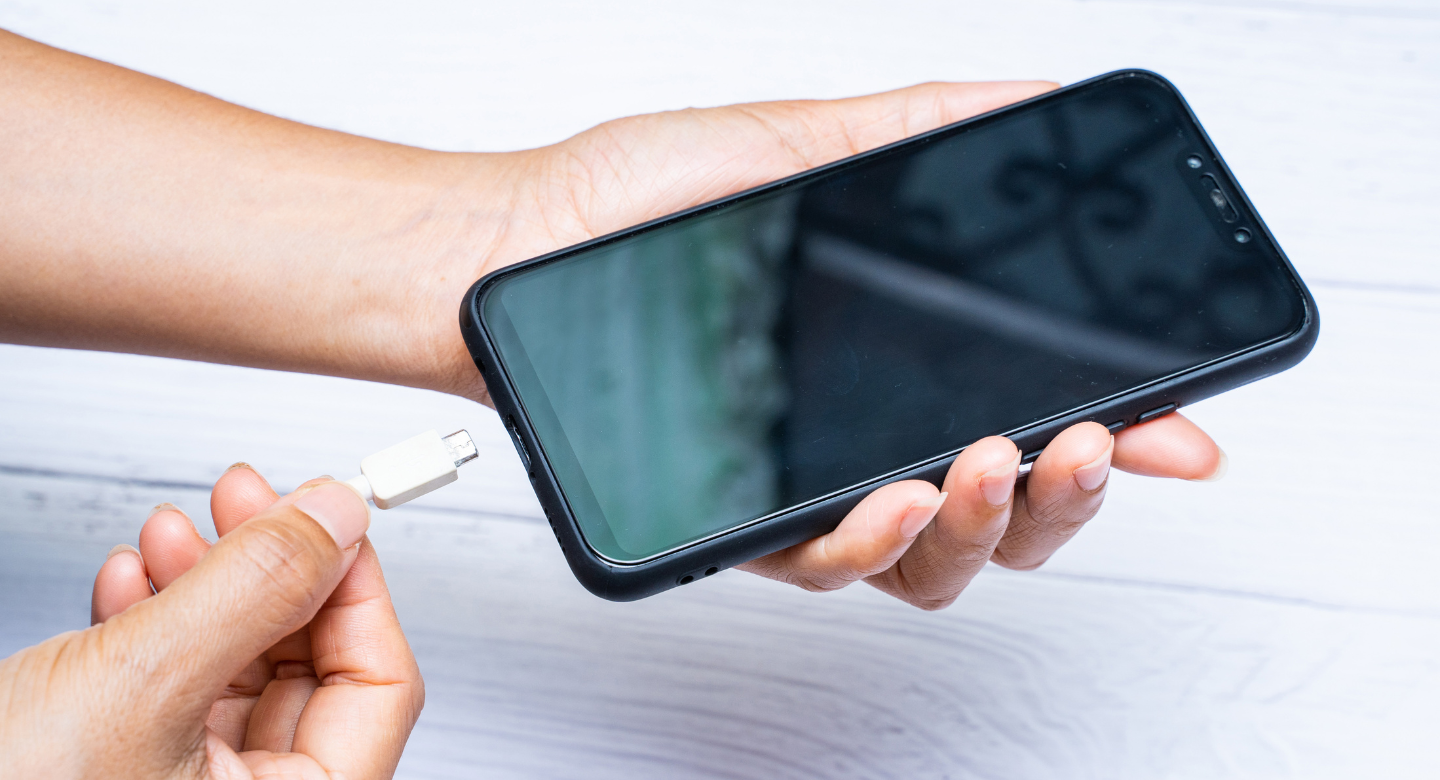
Smartphones (Navigation, Emergency Calls)
Phones are lifelines providing GPS navigation, emergency communication, flashlight functions, and safety information access. Modern smartphones with large touchscreens drain batteries quickly even in warm conditions exponentially worse in cold. Navigation apps constantly using GPS and screen display consume enormous power depleting batteries within hours. Power management on winter treks prioritizes smartphone battery preservation above all other devices consistently.
Cameras & Action Cams
Photography captures memories but cameras are notorious for poor cold-weather battery performance frustrating photographers universally. Spare batteries for cameras drain rapidly in pockets if not kept properly warm throughout days. Video recording, especially 4K, depletes batteries extremely quickly requiring strategic shooting and power conservation constantly. Action cameras like GoPros suffer particularly badly in cold conditions needing frequent battery swaps.
Headlamps & GPS Devices
Headlamps using rechargeable batteries lose brightness dramatically in cold affecting safety during dark trail sections. Dedicated GPS devices generally perform better than phones but still suffer reduced battery life in freezing temperatures. These critical safety devices demand reliable power throughout treks making battery life in winter management crucial.
Smartwatches & Fitness Trackers
Fitness tracking, altitude monitoring, and basic navigation make smartwatches valuable trek companions when functional properly. Small batteries in watches drain particularly quickly in cold conditions requiring frequent charging or disabling features. Touchscreens become less responsive in cold further draining batteries through repeated attempts at input.
Common Battery Mistakes Trekkers Make
Leaving Devices Exposed to Cold Air
Keeping phones in outer pockets or attached to backpack straps exposes them to full cold killing batteries. Even brief exposure during photo stops can drop battery percentage 10-20% seemingly instantly appearing dramatic. This exposure is the single biggest battery life in winter mistake trekkers make repeatedly costing functionality.
Charging Devices in Freezing Conditions
Charging below 0°C causes permanent lithium plating damage reducing battery capacity irreversibly and progressively over time. Many trekkers charge devices overnight in freezing tents permanently damaging batteries unknowingly through repeated exposure. Wait until temperatures rise above freezing or use body heat warming devices before charging safely.
Keeping Power Banks Outside Backpacks
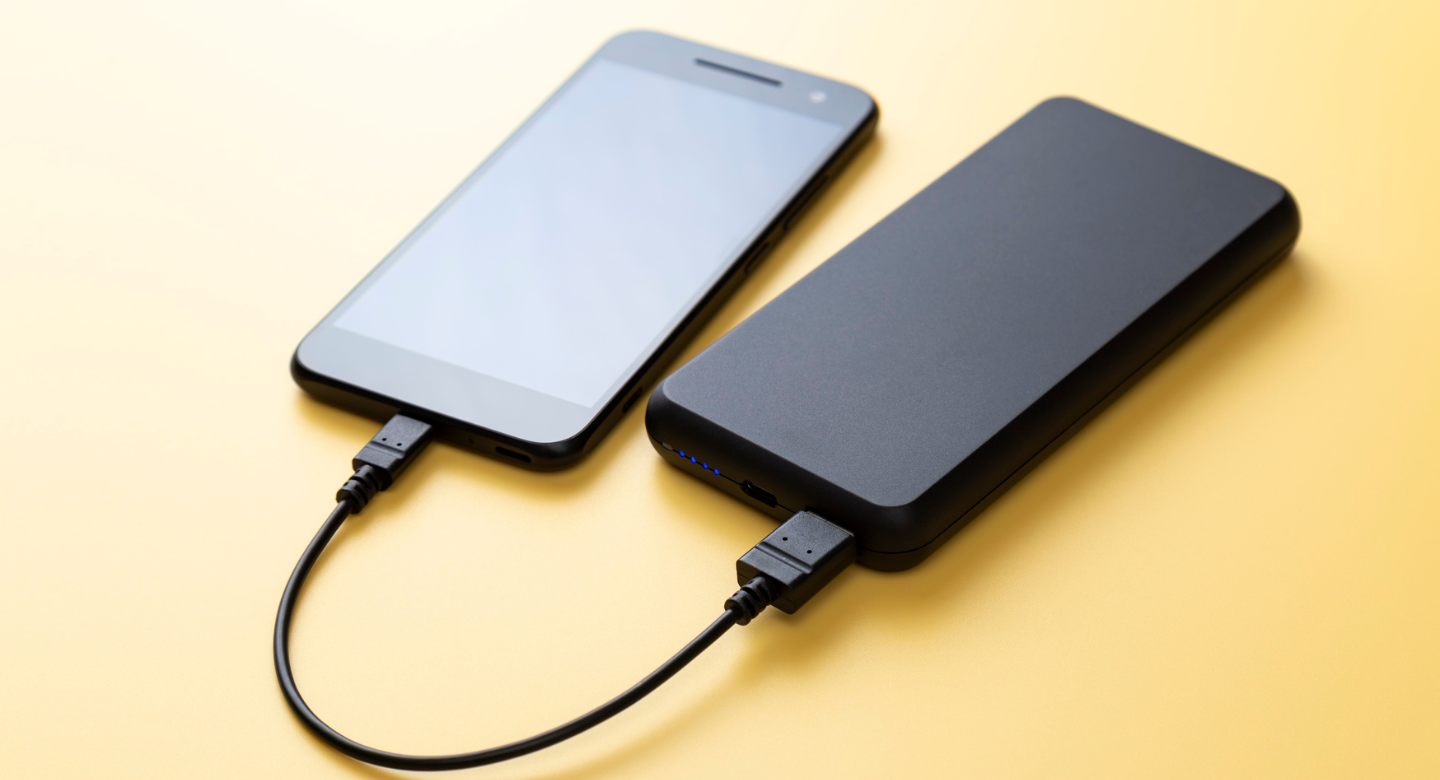
Power banks left in outer backpack compartments freeze becoming temporarily useless when you need them most. Cold power banks cannot deliver charge effectively making their capacity meaningless until warmed properly again. Keeping devices charged in cold weather requires keeping power sources warm as carefully as devices themselves.
Turning Devices On Too Frequently
Each device activation in cold drains significant battery attempting to power cold components requiring extra energy. Frequent checking for messages or photos quickly depletes batteries through repeated cold startups draining reserves. Minimizing device activations conserves power dramatically throughout trekking days maintaining functionality when truly needed.
Proven Ways to Preserve Battery Life
1 Keep Batteries Warm
Inner jacket pockets work best: Body heat from chest keeps devices at optimal operating temperature maintaining functionality. Inner pockets protect against impacts while providing constant warmth preventing battery performance degradation throughout days. This simple strategy is most effective power management on winter treks technique available to everyone.
Storing power banks inside sleeping bag at night: Never leave power banks in tent pockets or backpacks overnight exposing them to freezing. Place power banks at foot of sleeping bag away from body but benefiting from trapped warmth. Morning power banks remain functional rather than frozen solid requiring hours warming before use.
Why body heat is safest solution: Body heat provides consistent, safe temperature preventing both freezing and overheating damaging batteries permanently. No external warming method matches reliability and safety of utilizing natural body heat throughout winter treks. Understanding how cold affects battery life makes body heat warming obvious solution for maintaining device functionality.
2 Smart Charging Strategies
Charge devices during warmest part of day: Afternoon sun warms tents and villages making 2-4 PM ideal charging window when possible. Warmer charging conditions are safer and more efficient than cold or frozen environments risking damage. Coordinate charging with warmest available conditions maximizing safety and efficiency throughout trek schedules.
Avoid charging below 0°C: This cannot be overstated—charging frozen batteries causes permanent damage reducing capacity progressively over time. If devices feel cold to touch, warm them near body or inside sleeping bag before charging. Patience preventing damage is better than rushed charging destroying expensive devices permanently through neglect.
Partial charges better than full drains: Keeping batteries between 20-80% charge extends overall battery lifespan significantly compared to full cycles. Partial charging also reduces time devices spend charging in potentially cold conditions minimizing risks. This strategy improves battery life in winter short-term and long-term preserving device functionality.
3 Use Low-Power Settings
Airplane mode when not needed: Cellular and WiFi radios constantly searching for signals drain enormous power unnecessarily in mountains. Airplane mode dramatically extends battery life when navigation or communication isn’t immediately required throughout days. Enable briefly for essential communication then disable preserving power for genuine needs during emergencies.
Battery saver mode: Most devices offer power-saving modes reducing background processes, screen brightness, and processor speeds. These modes can double or triple battery life accepting slightly reduced performance as worthwhile trade-off. Enable battery saver proactively rather than waiting until 20% charge remaining maintaining functionality longer.
Reducing screen brightness & refresh rate: Screens consume 30-50% of device power—lowering brightness dramatically extends battery life noticeably. Reducing screen refresh rate from 120Hz to 60Hz or lower saves significant power without much functionality loss. These simple adjustments are essential keeping devices charged in cold weather techniques everyone should implement.
4 Limit Device Usage
Offline maps instead of live GPS: Download maps before treks using offline navigation reducing battery drain by 50% or more. Live GPS tracking constantly searching satellites depletes batteries far faster than occasional position checks using downloaded maps. This single change revolutionizes power management on winter treks for navigation-dependent trekkers significantly.
Short camera usage bursts: Remove camera from warmth only for actual shooting rather than carrying exposed continuously draining battery. Take multiple shots quickly then return camera to warm pocket conserving battery between shooting sessions. Limit video recording which drains batteries exponentially faster than still photography consuming power rapidly.
Avoid unnecessary scrolling or photos: Every screen activation, every photo review, every social media check drains precious battery reserves unnecessarily. Discipline separating essential device use from habitual checking extends battery life in winter dramatically throughout expeditions. Question whether each device activation is truly necessary conserving power for genuine needs always.
Choosing the Right Power Bank for Winter Treks
Capacity (10,000-20,000 mAh Recommended)
10,000 mAh provides approximately 2-3 full smartphone charges sufficient for weekend treks with careful power management. 20,000 mAh offers 4-6 charges suitable for week-long expeditions or charging multiple devices simultaneously. Balance capacity against weight—higher capacity means heavier load affecting overall trekking comfort throughout days.
Lithium Polymer vs Lithium-Ion
Lithium polymer (LiPo) power banks are slightly lighter and more compact than lithium-ion alternatives. LiPo batteries handle temperature variations marginally better though both suffer significantly in extreme cold. Lithium-ion typically offers better value and longevity making them preferred choice for most trekkers. Quality matters more than chemistry—reputable brands perform better than chemistry differences determine ultimately.
Cold Resistance Factors
No consumer power bank truly excels in extreme cold—all suffer performance degradation in freezing temperatures. Some brands advertise cold resistance but expect 30-50% capacity loss regardless of marketing claims. Focus on keeping any power bank warm rather than seeking mythical cold-resistant models that don’t exist. Understanding how cold affects battery life applies equally to power banks requiring same warming strategies.
Carrying Two Smaller Banks vs One Large
Two 10,000 mAh banks provide redundancy if one fails and allow sharing with trek companions. Single 20,000 mAh bank is lighter and more convenient but represents single point of failure risking losing all backup power. Most experienced trekkers prefer two smaller banks for flexibility and risk distribution throughout expeditions. This strategy improves keeping devices charged in cold weather reliability through redundancy.
Charging Options on Winter Treks
Homestays and Villages
Villages along popular routes offer charging facilities usually costing ₹50-₹100 per device per hour. Electricity supply can be unreliable—charge whenever opportunity arises rather than waiting for “convenient” timing. Carry charging cables and adapters always—borrowing creates dependency and inconvenience for everyone involved unnecessarily.
Solar Chargers (Why They Often Fail in Winter)
Solar panels need direct sunlight, correct angles, and extended exposure generating meaningful power for devices. Winter’s short days, frequent clouds, and cold-reduced panel efficiency make solar charging unreliable for trekking. Carrying heavy solar panels rarely justifies minimal charging achieved in real winter trek conditions. Solar works better as supplementary charging rather than primary power management on winter treks strategy realistically.
Generator-Powered Camps
Organized trek camps sometimes run generators during specific evening hours providing charging opportunities for participants. Generators are noisy, expensive to operate, and environmentally questionable making availability limited and timing restricted. Capitalize on generator availability charging all devices simultaneously when power is available during limited windows.
Night-Time Battery Care at Campsites
Never Leave Devices Outside Tents
Devices left in vestibules, tent pockets, or backpacks freeze overnight becoming useless until warmed properly. Moisture from condensation freezing on devices can cause permanent damage to sensitive electronics beyond just batteries. Bring all devices inside sleeping area maintaining warmth preventing freezing overnight maintaining morning functionality.
Wrap Devices in Dry Clothes
Placing devices inside wool socks or fleece jacket inside sleeping bag provides insulation and protection. This extra layer prevents accidental damage from rolling over devices during sleep while providing warmth. Dry clothes also absorb any moisture preventing condensation problems affecting device functionality and longevity.
Keep Batteries Away from Damp Conditions
Moisture and electronics never mix—condensation from temperature differences can damage devices permanently and irreparably. Store devices in waterproof bags or dry sacks inside sleeping bags preventing moisture exposure throughout nights. This precaution is crucial battery life in winter protection preventing both battery and device damage.
Emergency Power Planning
Prioritizing Essential Devices
Rank devices by importance: smartphone first (navigation, communication), then headlamp, then camera, then everything else. When power becomes scarce, charge priority devices fully before spending power on less critical items. This hierarchy ensures essential safety and navigation capabilities maintained when power becomes limited resource.
Reserving Power for Emergencies
Never fully drain smartphone battery—maintain 20% minimum reserve for genuine emergencies requiring communication or navigation. This discipline prevents situations where emergency arises with completely dead phone offering no assistance whatsoever. Keeping devices charged in cold weather includes strategic power reservation for worst-case scenarios always.
Backup Communication Planning
Carry physical maps and compass as battery-independent navigation backup never failing due to power issues. Inform someone outside trek about itinerary, expected return, emergency contacts providing safety net beyond device dependency. Satellite communicators or PLBs provide ultimate emergency backup though expensive and unnecessary for most treks.
Checklist: Winter Battery Management Essentials
- Power bank(s): 10,000-20,000 mAh capacity kept warm inside backpack or jacket always throughout days.
- Short charging cables: Full-length cables are cumbersome—30cm cables work perfectly for pocket charging reducing tangling.
- Ziplock bags: Protect devices from moisture, snow, and condensation preventing damage to sensitive electronics.
- Insulated pouches: Neoprene or fleece device pouches provide extra insulation maintaining warmth preventing cold exposure.
- Spare batteries: For cameras, headlamps, GPS devices allowing quick swaps when primaries drain in cold.
- Charging adapters: Multi-device charging adapters maximize limited charging time at villages or camps with power access.
Power Is Safety in Winter Mountains
Smart battery life in winter management is as important as proper clothing and navigation skills. Prepared trekkers avoid unnecessary risks, ensuring devices remain functional when needed for safety, navigation, and communication. Understanding how cold affects battery life transforms device management from an afterthought into a critical safety consideration. Keeping devices charged in cold weather requires diligence, planning, and consistent application of warming strategies throughout expeditions. These practices protect expensive devices while ensuring critical functions remain available during emergencies or navigation needs. Power management on winter treks separates prepared, responsible trekkers from those courting avoidable dangers through neglect. Implement these strategies, making every winter trek safer through reliable device functionality when circumstances demand it most.
Explore More Such Blog
How to Prepare for First Winter Trek – A Beginner’s Guide
Sleep Quality at Altitude: Why You Can’t Sleep Well While Trekking
Frequently Asked Questions (FAQs) For Battery Life in Winter
Why does my phone die at 70% in cold weather?
Cold slows battery chemical reactions preventing power delivery despite charge remaining. The battery isn’t actually dead—warming restores function and available charge fully. Keep phone in inner jacket pocket using body heat preventing this temporary shutdown. Understanding how cold affects battery life helps prevent this common frustrating problem.
Can I charge devices overnight in freezing tent?
No, charging below 0°C causes permanent lithium plating damage reducing battery capacity irreversibly. Wait until morning warming or use body heat inside sleeping bag warming device before charging. Patience preventing damage is better than convenience destroying batteries through improper cold charging.
How long do power banks last in winter treks?
Cold reduces power bank capacity by 30-50% compared to rated specifications. Keep power banks warm inside backpack or sleeping bag maintaining functionality throughout treks. A warm 10,000 mAh bank delivers more power than cold 20,000 mAh bank experiencing severe performance degradation.
Should I turn off devices completely or use airplane mode?
Airplane mode is better—restarting cold devices drains significant battery during bootup processes. Airplane mode disables power-hungry radios while maintaining quick access for emergencies or navigation needs. Complete shutdown and restart in cold wastes more battery life in winter than airplane mode provides.
Do solar chargers work for winter trekking?
Solar chargers are unreliable in winter due to short days, frequent clouds, cold-reduced efficiency. Heavy solar panels rarely justify minimal charging achieved in real winter trek conditions encountered. Better investing in larger capacity power banks than depending on unreliable solar charging technology.
Can I use hand warmers to warm batteries?
Chemical hand warmers can overheat batteries causing damage—use cautiously if at all necessary. Body heat is safest, most reliable warming method available throughout treks without risk. If using warmers, place device between warmer and insulating layer preventing direct contact causing damage.
How many power banks should I carry?
Two smaller banks (10,000 mAh each) provide redundancy and flexibility better than single large bank. This allows sharing with companions and reduces risk if one bank fails during expedition. Balance capacity needs against weight considering trek duration and device dependence realistically throughout planning.
What’s the best way to store devices at night?
Place devices inside sleeping bag wrapped in dry clothes near body but away from direct contact. Never leave devices in tent pockets or backpacks where they’ll freeze overnight. This simple keeping devices charged in cold weather strategy maintains morning functionality without special equipment needed.
Can extreme cold permanently damage batteries?
Repeated freeze-thaw cycles can permanently reduce battery capacity over time through chemical degradation. Charging frozen batteries causes immediate permanent damage through lithium plating on electrodes irreversibly. Keep batteries consistently warm preventing both temporary and permanent damage protecting expensive device investments.
How do I prioritize charging when power is limited?
Charge smartphone first (navigation, emergency communication) maintaining 50%+ charge always minimum. Headlamp second ensuring safe nighttime visibility and movement around camp areas. Camera and non-essential devices last accepting their use might be limited when power management on winter treks becomes critical priority.