

Explore the best lake treks in India! From Himalayan glacial lakes to alpine beauties, discover stunning trails, difficulty levels, and trekking tips.
There’s something magical about walking up to a shimmering blue lake surrounded by snow-capped peaks. The best lake treks in India offer an enchanting experience that combines adventure, serenity, and breathtaking natural beauty. Lake treks offer a unique sense of satisfaction—the journey culminates in pristine waters that reflect the mountains and sky. India, especially the Himalayas, hosts some of the most spectacular high-altitude lakes in the world. These glacial and alpine lakes range from easy beginner-friendly trails to challenging expeditions for experienced trekkers. Whether you seek spiritual solace, photography opportunities, or pure adventure, lake treks deliver unforgettable experiences. This comprehensive guide will help you choose the perfect lake trek matching your fitness and experience level.
Why Choose a Lake Trek in India?
The Unique Charm of Lake Treks
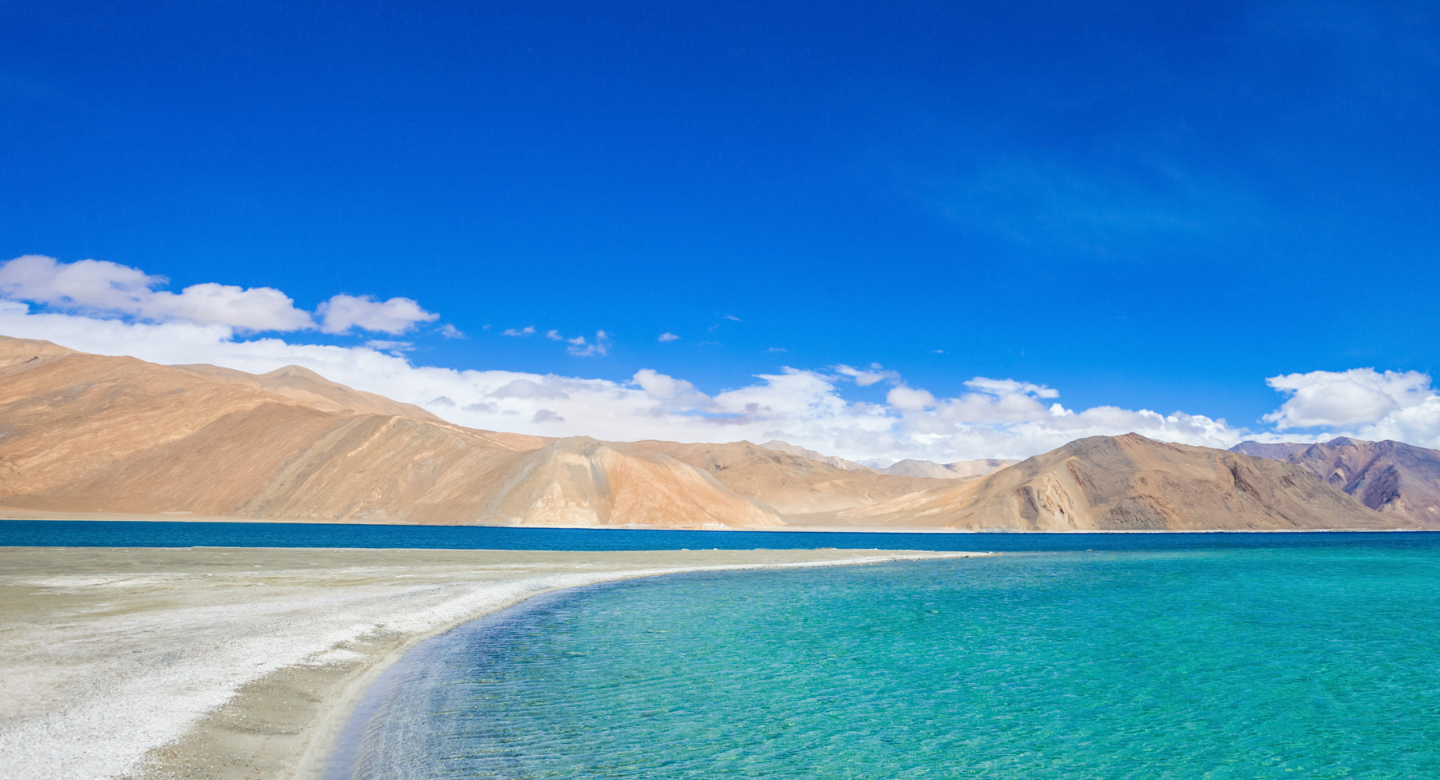
Lake treks offer something distinctly different from regular mountain trails with their stunning destinations. The sight of a turquoise or emerald lake appearing after hours of trekking creates unmatched joy. Lakes provide mirror-like reflections of surrounding peaks creating picture-perfect moments for photographers. The serene atmosphere near high-altitude lakes offers profound peace away from civilization’s chaos. Himalayan lake treks combine physical challenge with emotional rewards unlike any other trekking experience. The contrast between rugged trails and calm lake waters creates a beautiful journey narrative.
Ideal for Multiple Types of Adventurers
Photographers find endless opportunities capturing reflections, sunrise colors, and mountain panoramas around lakes. Peace seekers discover meditation-worthy silence and solitude at these remote, pristine water bodies. Adventure enthusiasts enjoy the physical challenge of reaching high-altitude destinations with spectacular payoffs. Nature lovers appreciate diverse ecosystems from forests to meadows to alpine zones surrounding lakes. Spiritual travelers connect with India’s sacred geography, as many lakes hold religious and cultural significance.
Cultural and Spiritual Significance
Many high altitude lake treks in India lead to sites considered holy in Hinduism, Buddhism, and Sikhism. Hemkund Sahib, Satopanth, and Gurudongmar Lake attract pilgrims alongside trekkers seeking spiritual experiences. Local communities share fascinating myths and legends associated with these sacred water bodies. Respecting these cultural dimensions adds depth to your trekking experience beyond just physical achievement. The blend of natural beauty and spiritual energy makes Indian Lake treks uniquely transformative.
Top 10 Best Lake Treks in India
1. Kareri Lake Trek (Himachal Pradesh)
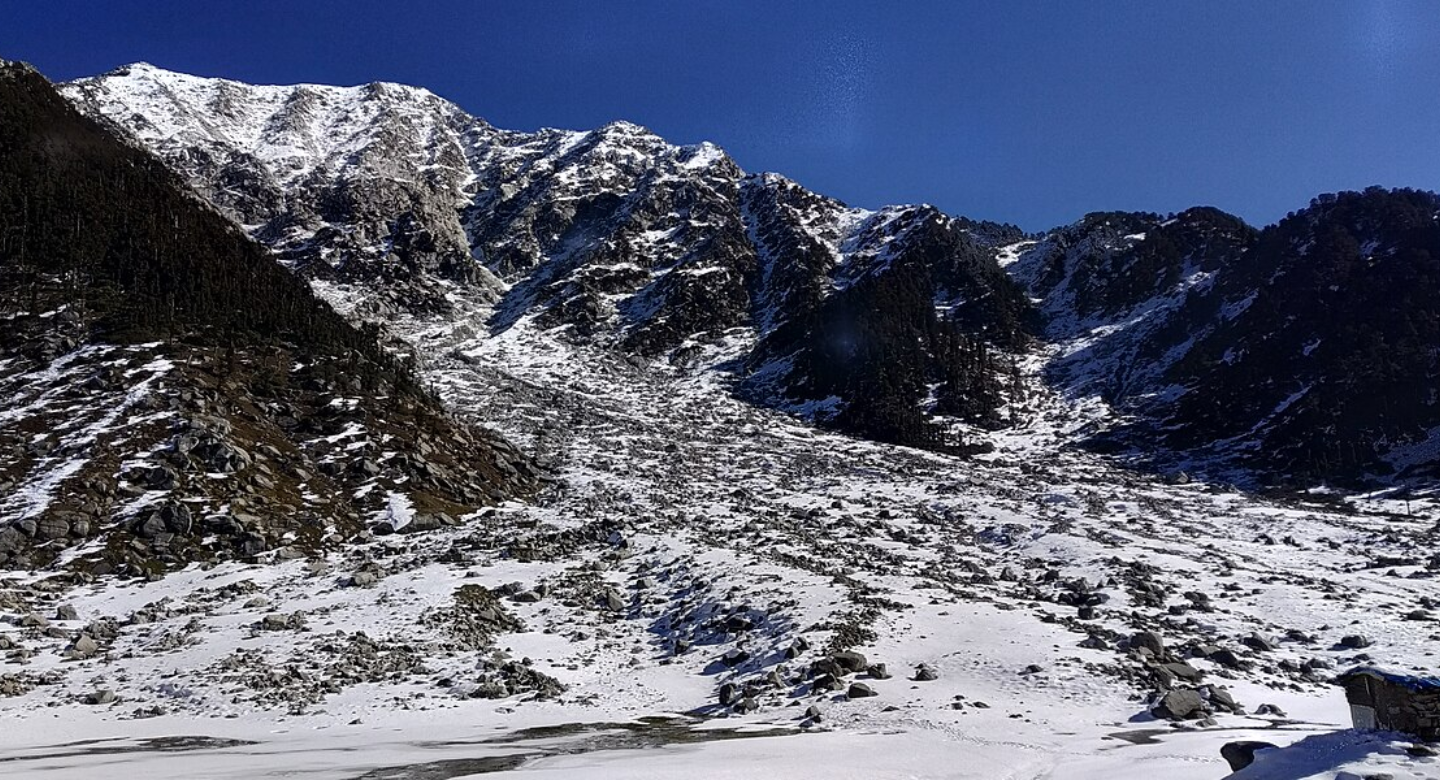
Kareri Lake is a pristine glacial lake nestled in the Dhauladhar ranges near Dharamshala. The trail passes through dense forests, shepherds’ campsites, and picturesque village paths offering cultural experiences. The lake sits in a natural amphitheater surrounded by snow-covered peaks, creating stunning views. This trek is perfect for beginners wanting to experience Himalayan lake treks without extreme difficulty. The gradual ascent and moderate altitude make acclimatization easier for first-time high-altitude trekkers. Local shepherds often camp near the lake during summer, adding life to the remote setting. The reflection of the Dhauladhar peaks in the lake’s clear waters creates unforgettable photography opportunities.
| Altitude: | 9,650 feet (2,950 meters) |
| Difficulty: | Easy to Moderate |
| Duration: | 2-3 days |
| Best Time: | May–June & September–October |
2. Bhrigu Lake Trek (Himachal Pradesh)
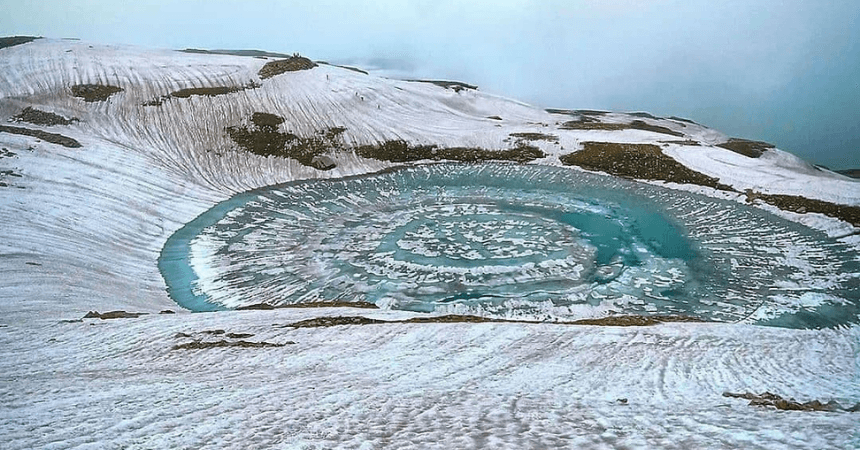
Bhrigu Lake is easily accessible from Manali, making it popular among weekend trekkers and beginners. The trek features expansive alpine meadows with wildflowers during summer months creating colorful landscapes. According to Hindu mythology, Sage Bhrigu meditated near this lake lending spiritual significance. The trail offers panoramic views of Pir Panjal and Dhauladhar mountain ranges throughout the journey. Snow often surrounds the lake even in summer, creating dramatic white-and-blue color contrasts. The relatively short duration makes it perfect for those with limited time but wanting altitude experience. This scenic trek in India combines accessibility with genuine high-altitude adventure beautifully.
| Altitude: | 14,000 feet (4,267 meters) |
| Difficulty: | Moderate |
| Duration: | 3-4 days |
| Best Time: | May–Jun & September–October |
3. Chandratal Lake Trek (Spiti Valley)
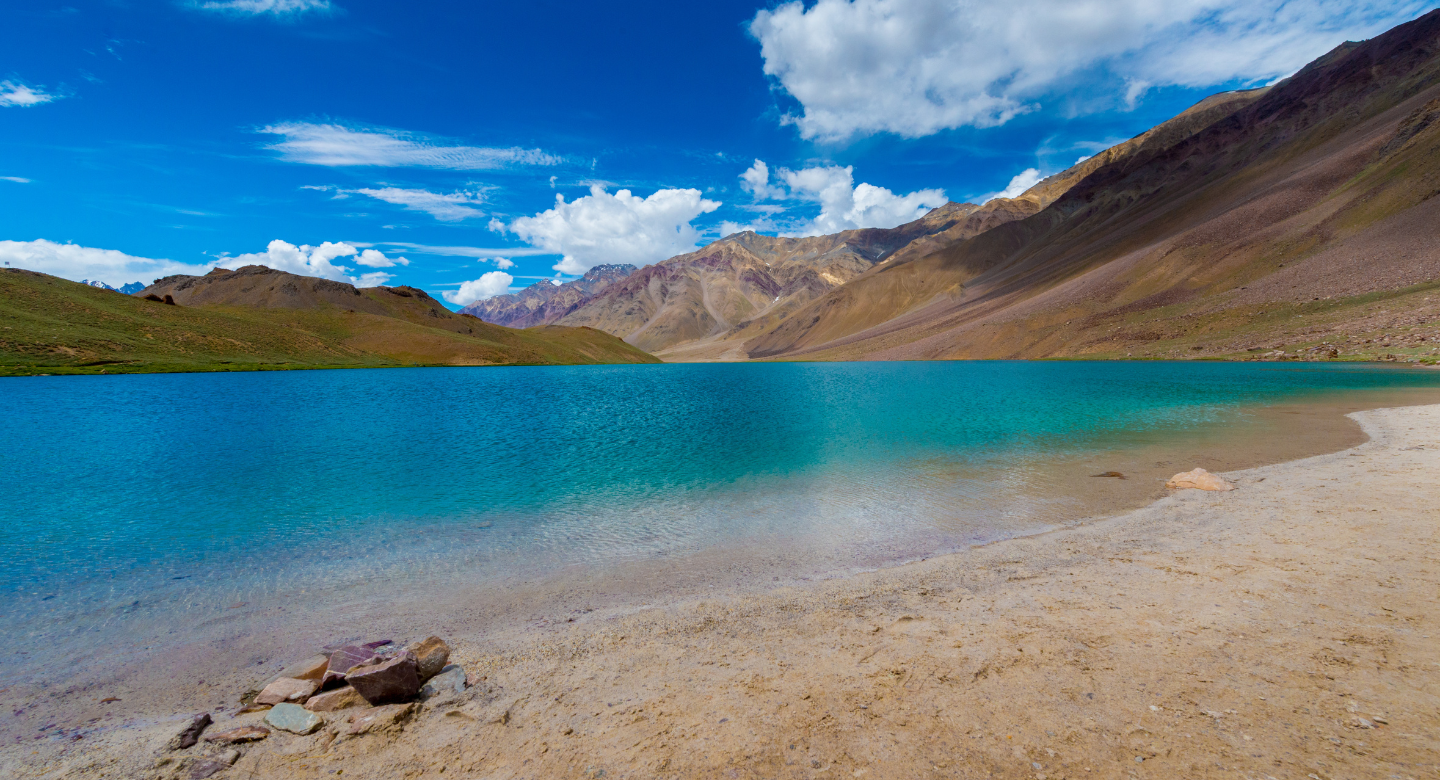
Chandratal, meaning “Moon Lake,” features a distinctive crescent shape with surreal turquoise waters. The lake sits in Spiti’s high-altitude cold desert landscape creating otherworldly, Mars-like surroundings. Barren mountains, minimal vegetation, and stark beauty make this unlike typical Himalayan green valleys. The trek offers incredible night sky viewing with minimal light pollution and clear high-altitude atmosphere. Many trekkers camp near the lake experiencing sunrise reflections and starlit skies memorably. The route passes through Kunzum Pass offering breathtaking views of the Spiti Valley below. This high altitude lake trek in India provides unique desert mountain trekking experiences rarely found elsewhere.
| Altitude: | 14,100 feet |
| Difficulty: | Moderate |
| Duration: | 4-5 days |
| Best Time: | June–September |
4. Tarsar Marsar Lake Trek (Jammu & Kashmir)
This trek features twin alpine lakes—Tarsar and Marsar—each with distinct characteristics and beauty. The journey passes through Aru Valley and Lidderwat meadows, showcasing Kashmir’s legendary green landscapes. Both lakes offer mirror-like reflections of surrounding peaks, creating dreamlike photography opportunities throughout the day. The trek provides perfect immersion in Kashmir’s natural beauty away from tourist-heavy destinations. Wildflowers bloom abundantly during July-August, transforming meadows into colorful carpets of nature. Local Gujjar shepherds with their livestock add cultural richness to the wilderness experience. This scenic trek in India ranks among the most beautiful multi-day lake expeditions available.
| Altitude: | 13,000 feet |
| Difficulty: | Moderate |
| Duration: | 6-7 days |
| Best Time: | July–September |
5. Kashmir Great Lakes Trek (Jammu & Kashmir)
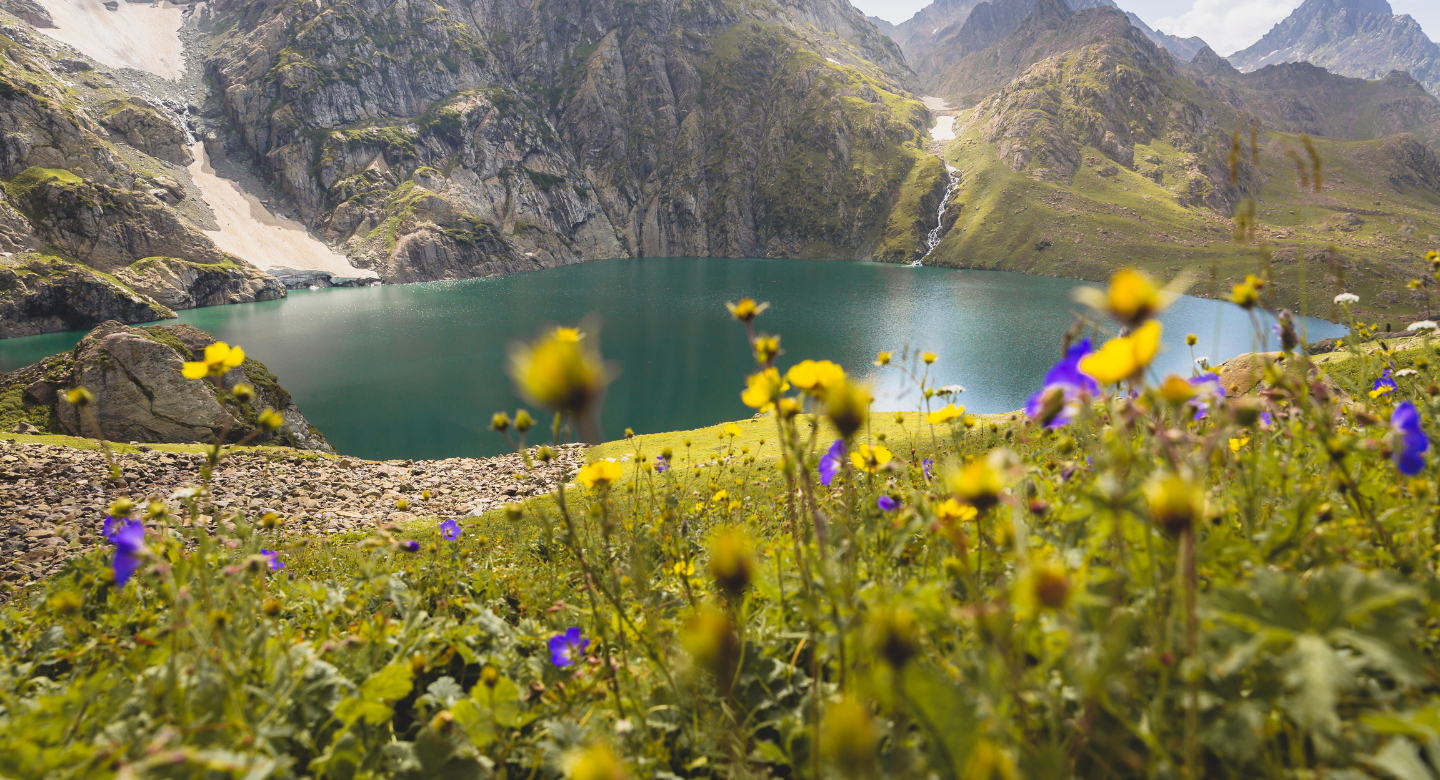
This legendary trek passes seven pristine alpine lakes, including Vishansar, Krishansar, Gadsar, and Gangabal. Each lake offers unique colors ranging from deep blue to emerald green, depending on depth and surroundings. The trail traverses rolling meadows, pine forests, and high mountain passes with constant scenery changes. Snow-capped peaks surround you throughout the journey, creating postcard-perfect views from every angle. Wildflowers carpet the meadows during peak season adding vibrant colors to the landscape. This multi-day expedition is consistently rated among India’s most scenic and rewarding treks. Best lake treks in India lists wouldn’t be complete without mentioning this Kashmir masterpiece.
| Altitude: | 13,750 feet (4,191 meters) |
| Difficulty: | Moderate to Difficult |
| Duration: | 7-8 days |
| Best Time: | July–September |
6. Satopanth Lake Trek (Uttarakhand)
Satopanth Lake holds immense mythological significance in the Hindu tradition as Brahma’s meditation site. The triangular-shaped lake features stunning emerald-green waters surrounded by snow and rocky terrain. Located near Badrinath, the trek begins from Mana village, India’s last inhabited village near the Tibetan border. The trail is challenging with steep ascents, river crossings, and high altitude, demanding good fitness. Glaciers, moraines, and dramatic mountain scenery accompany you throughout this demanding but rewarding journey. The spiritual atmosphere combined with raw natural beauty creates a powerful, memorable trekking experience. This high altitude lake trek in India attracts both devout pilgrims and adventure seekers equally.
| Altitude: | 15,100 feet (4,600 meters) |
| Difficulty: | Difficult |
| Duration: | 5-6 days |
| Best Time: | June–September |
7. Hemkund Sahib Trek (Uttarakhand)
Hemkund Sahib is a revered Sikh pilgrimage site featuring a glacial lake surrounded by seven peaks. A beautiful gurudwara sits beside the lake attracting thousands of pilgrims during summer months. The trail passes through Valley of Flowers, a UNESCO World Heritage Site, showcasing rare alpine blooms. Though steep and demanding, the well-maintained path makes it accessible to determined beginners with preparation. The lake remains partially frozen even in summer with crystal-clear waters reflecting snow peaks magnificently. The spiritual energy, combined with natural beauty, makes this among Himalayan lake treks with unique character. The journey offers both physical challenge and soul-soothing rewards for every participant.
| Altitude: | 15,200 feet (4,632 meters) |
| Difficulty: | Moderate to Difficult |
| Duration: | 2-3 days (from Govindghat) |
| Best Time: | June–September |
8. Dodital Lake Trek (Uttarkashi, Uttarakhand)
Dodital is a freshwater lake famous for trout fish and beautiful forested surroundings, unlike high-altitude barren landscapes. Hindu mythology associates this lake with Lord Ganesha’s birthplace adding spiritual dimension to the trek. Dense oak, pine, and deodar forests create a green canopy providing shade and biodiversity throughout. The trail is relatively gentle making it perfect for beginners and families wanting multi-day trekking experiences. Birdwatching opportunities abound with numerous Himalayan species visible throughout the forested trail sections. The lake’s serene setting offers peaceful camping experiences with forest sounds replacing urban noise. This scenic trek in India provides perfect introduction to Himalayan trekking without extreme altitude challenges.
| Altitude: | 10,000 feet (3,024 meters) |
| Difficulty: | Easy to Moderate |
| Duration: | 4-5 days |
| Best Time: | March–June & September–November |
9. Lam Dal Lake Trek (Himachal Pradesh)
Lam Dal is a sacred lake in the Dhauladhar range, remaining relatively offbeat and less crowded. Local shepherds consider the lake holy and avoid camping too close, respecting its spiritual significance. The trek passes through dense forests, meadows and offers stunning views of the Dhauladhar peaks. This trail remains less commercialized, providing authentic wilderness experiences away from tourist circuits. The lake’s pristine condition reflects responsible local stewardship and minimal human interference over time. For those seeking solitude and untouched natural beauty, this best lake trek in India option excels. The peaceful atmosphere makes it ideal for meditation and a deep connection with nature.
| Altitude: | 13,000 feet |
| Difficulty: | Moderate |
| Duration: | 3-4 days |
| Best Time: | May–October |
10. Gurudongmar Lake Trek (Sikkim)
Gurudongmar ranks among the highest altitude lakes in the world accessible to trekkers without technical climbing. The lake is sacred to both Buddhists and Sikhs with Guru Padmasambhava blessing it according to tradition. Surrounded by snow-covered peaks and barren landscape, the lake’s deep blue waters create stunning contrasts. The extreme altitude makes acclimatization absolutely crucial before attempting this challenging destination. Most of the journey is by vehicle with a short but demanding trek at high altitude. The surreal beauty and spiritual significance make this a bucket-list destination for serious trekkers. This high altitude lake trek in India demands respect for altitude and proper preparation before attempting.
| Altitude: | 17,800 feet (5,430 meters) |
| Difficulty: | Difficult |
| Duration: | 2-3 days (by road + short trek) |
| Best Time: | May–June & September–October |
Best Time to Do Lake Treks in India
Summer (May–June): Peak Accessibility Season
Summer months offer the most accessible conditions with trails fully open after winter snow melts. Most Himalayan lake treks become reachable during this period with moderate temperatures and stable weather. Lakes emerge from winter ice, revealing their full beauty with clear waters and reflections. This season sees maximum tourist activity, so popular trails may feel crowded at times. Wildlife becomes active, flowers begin blooming, and overall landscapes turn vibrant and alive. Book accommodations and guides in advance for popular treks during peak summer months.
Monsoon (July–September): Lush and Vibrant Trails
Kashmir and certain Himachal regions shine during monsoon with lush greenery and wildflowers everywhere. The scenic treks in India become especially photogenic with colorful meadows and flowing streams. However, monsoon brings risks like slippery trails, leeches, and unpredictable weather requiring extra caution. Some regions like Uttarakhand experience heavy rainfall making certain treks dangerous or temporarily closed. Spiti and Ladakh regions remain relatively dry even during monsoon, offering good alternatives. Research specific trail conditions and weather patterns before planning monsoon treks for safety.
Post-Monsoon (September–October): Perfect Conditions
Post-monsoon months provide crystal-clear skies perfect for photography and mountain views. Lakes show best reflections with stable weather, calm winds, and excellent visibility throughout the day. Temperatures remain comfortable during the day though nights can get quite cold at altitude. This season combines summer’s accessibility with winter’s clear atmosphere creating ideal trekking conditions. Crowds reduce compared to peak summer making trails more peaceful and contemplative. Many experienced trekkers consider this the absolute best time for high altitude lake treks in India.
Tips for Planning a Lake Trek
Check Weather and Altitude Conditions
Always monitor weather forecasts for your specific trekking region before departure dates. Altitude sickness is real—understand symptoms and acclimatization needs before attempting high-altitude lakes. Research trail conditions including snow levels, river crossings, and any recent landslides or blockages. Consult with local operators who have real-time information about current conditions and challenges. Be flexible with dates allowing buffer days for weather delays or altitude adjustment needs.
Prepare Physically for High-Altitude Treks
Start fitness training at least 4-6 weeks before attempting moderate to difficult lake treks. Focus on cardiovascular endurance through running, cycling, or swimming for stamina building. Include strength training for legs and core to handle steep climbs and uneven terrain. Practice hiking with a loaded backpack to simulate actual trekking conditions you’ll face. If possible, complete a few lower altitude treks before attempting high altitude lake treks in India.
Carry Reusable Bottles and Avoid Polluting Lakes
Bring reusable water bottles and purification tablets instead of single-use plastic bottles. Never throw any trash near lakes—carry all waste back to proper disposal points. Avoid using soaps, detergents, or chemicals in or near pristine lake waters. Human waste should be buried far from water sources following Leave No Trace principles. Your responsibility to preserve these fragile ecosystems ensures future generations can enjoy them too.
Go with Certified Eco-Trekking Groups
Choose operators committed to responsible tourism and environmental conservation like certified trekking organizations. Certified groups employ trained guides with wilderness first aid and environmental awareness training. They follow proper waste management, campsite selection, and sustainable practices throughout expeditions. Support companies that employ and train local guides, contributing to regional economic development. Responsible operators enhance your experience while protecting the best lake treks in India for future visitors.
Responsible Trekking Around Lakes
Leave No Trace Principles
Pack out everything you pack in—leave no trash, food scraps, or waste behind. Stick to established trails avoiding shortcuts that cause erosion and damage fragile alpine vegetation. Respect wildlife by observing from distance without feeding, touching, or disturbing animals. Minimize campfire impact by using designated fire rings or better yet, portable stoves. Take only photographs and memories, leaving rocks, plants, and natural objects undisturbed.
No Camping Right Next to Lakes
Ecological sensitivity requires camping at least 200 feet away from lake shores and streams. Direct lakeside camping damages vegetation, causes erosion, and pollutes water through human activities. Many fragile alpine plants near lakes take years to recover from trampling and disturbance. Designated camping zones exist at most popular lake treks—use them instead of improvising. Respecting these guidelines preserves pristine conditions at Himalayan lake treks for everyone’s future enjoyment.
Avoid Washing in Lake Water
Never wash clothes, utensils, or yourself directly in lake water using soaps or detergents. Even biodegradable products can harm delicate aquatic ecosystems and water quality significantly. Carry water away from the lake for washing activities, disposing of wastewater responsibly. These high-altitude lakes have fragile ecosystems easily disrupted by chemical contamination and pollution. Your mindful actions protect these sacred natural treasures for both environmental and spiritual reasons.
Let’s Summarize
Best lake treks in India blend spirituality, nature, and adventure into transformative journeys you’ll never forget. From easy beginner trails like Kareri and Dodital to challenging expeditions like Satopanth and Gurudongmar, options exist for every trekker. Scenic treks in India showcasing pristine lakes offer rewards beyond physical achievement—they provide soul-nourishing experiences in nature’s lap.
Choose your next trek mindfully, considering your fitness, experience, and the season’s demands carefully. Follow responsible trekking practices, ensuring these fragile ecosystems remain pristine for future generations to enjoy. The reflection you see in these still mountain waters isn’t just of peaks—it’s of your own strength, courage, and connection with nature.
Explore More
Best Bungee Jumping Spots in India: Top Locations for the Ultimate Thrill
River Rafting in India: Best Destinations, Seasons, Safety Tips & Adventure Guide
Frequently Asked Questions (FAQs): Best Lake Treks in India
Which is the easiest lake trek in India?
Kareri Lake in Himachal Pradesh is the easiest at 9,650 feet with gentle trails through forests and villages. Dodital in Uttarakhand is another beginner-friendly option with gradual ascents. Both treks take 2-4 days and require basic fitness only.
What’s the highest altitude lake trek?
Gurudongmar Lake in Sikkim sits at 17,800 feet, making it among the highest accessible lakes. Proper acclimatization and excellent fitness are mandatory for this challenging trek. Altitude sickness risks are significant at this elevation.
Are permits required for Kashmir lake treks?
Yes, Kashmir treks typically require permits obtained through registered trekking operators or local authorities. Foreign nationals need additional clearances for certain sensitive border areas. Your trekking agency usually handles permit arrangements included in packages.
Can beginners do Tarsar Marsar or Kareri Lake treks?
Kareri Lake is suitable for fit beginners with some prior trekking experience. Tarsar Marsar requires moderate fitness and preferably previous multi-day trekking experience due to duration and altitude. Start with easier treks before attempting moderate difficulty ones.
Which month is best for high-altitude lake treks?
September-October offers the best conditions with clear skies, stable weather, and perfect reflections. May-June is also excellent after snow melts but before monsoons. Avoid July-August in most regions except Kashmir and Spiti.
Do I need a guide for lake treks?
Guides are highly recommended for all high altitude lake treks in India for safety and navigation. They provide local knowledge, emergency support, and enhance the overall experience significantly. Some regions legally require registered guides for trekking permits and safety.
What should I pack for a lake trek?
Pack layers for varying temperatures, rain gear, trekking shoes, water bottles, sunscreen, and first-aid supplies. Bring a camera for incredible photography opportunities at the lakes. Avoid single-use plastics and pack reusable items, respecting pristine environments.

[…] Best Lake Treks in India: Stunning Trails for Every Trekker […]
[…] Best Lake Treks in India: Stunning Trails for Every Trekker […]