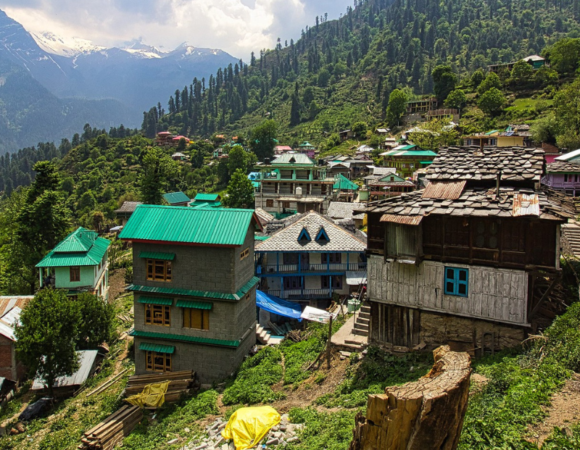
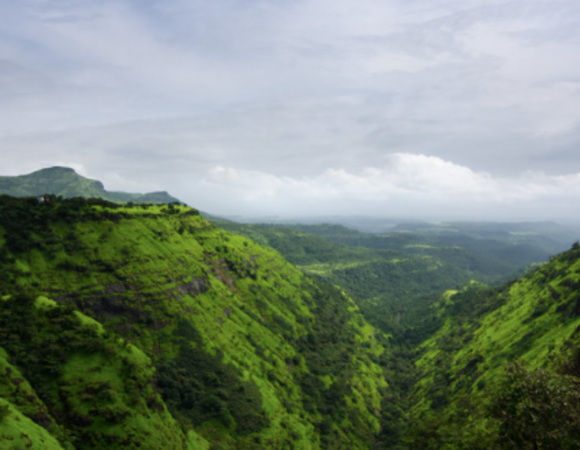
Discover the Best Pass Treks in India, from challenging Himalayan treks in India to crossover treks in Himachal and Uttarakhand.
High altitude pass treks in Himalayas offer some of the most thrilling adventures for mountain enthusiasts. India’s majestic mountain ranges host incredible challenging Himalayan treks in India that test your limits. These crossover treks in Himachal and Uttarakhand provide breathtaking views and unforgettable experiences.
Pass treks are unique because they cross mountain ridges connecting different valleys. They offer dramatic landscape changes and spectacular panoramic views. Many ancient trekking routes in India follow these historic paths used by traders and pilgrims for centuries.
Why Choose Pass Treks in India?
Pass treks stand out from regular mountain trails for several compelling reasons. These routes offer unparalleled diversity in landscapes and terrain. You’ll witness dramatic changes as you cross from one valley to another.
The cultural trekking experiences on these routes are extraordinary. Many heritage treks in the Himalayas follow traditional trade routes. Local communities along these paths preserve ancient customs and traditions.
Key Benefits of Pass Treks:
- Diverse Landscapes: Experience multiple ecosystems in a single trek
- Cultural Immersion: Meet diverse communities with rich traditions
- Photography Paradise: Capture stunning mountain vistas and unique terrain
- Personal Achievement: Overcome challenging high-altitude crossings
- Historical Significance: Walk on ancient trekking routes in India used for centuries
Best Pass Treks in India
1. Hampta Pass Trek, Himachal Pradesh
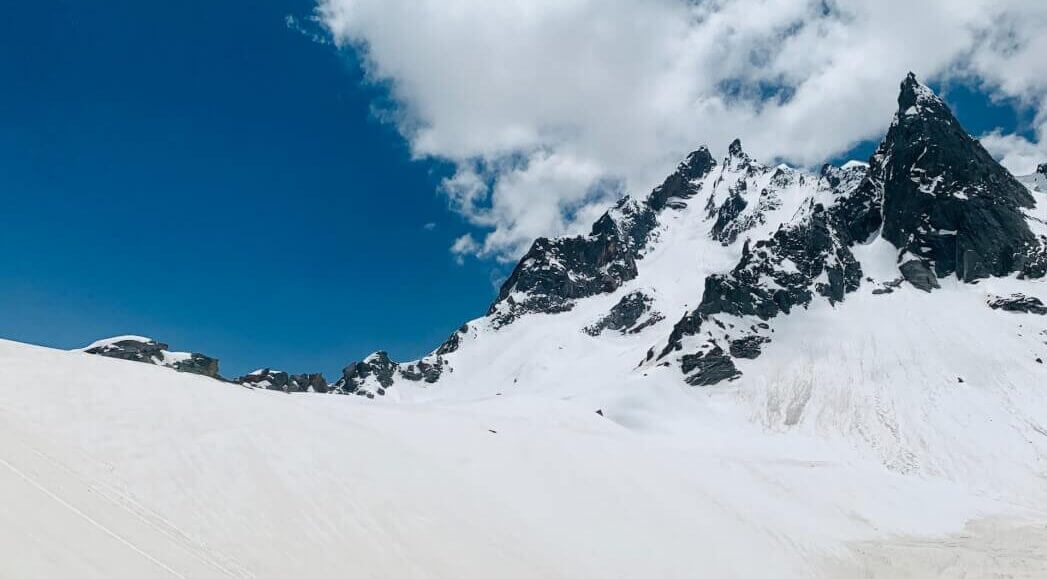
The Hampta Pass Trek is perfect for beginners exploring high altitude pass treks in Himalayas. This 5-day adventure takes you from Manali’s green valleys to Spiti’s desert landscapes.
The trail offers stunning contrasts between lush Kullu Valley and barren Spiti region. You’ll camp beside pristine alpine lakes and witness dramatic geological changes. This trek perfectly represents the diversity of challenging Himalayan treks in India.
2. Pin Parvati Pass, Himachal Pradesh
Pin Parvati Pass ranks among the most demanding crossover treks in Himachal and Uttarakhand region. This challenging route connects Pin Valley in Spiti with Parvati Valley near Kasol.
The trek requires excellent fitness levels and mountaineering skills. You’ll cross glaciers, navigate rocky terrain, and camp at extreme altitudes. This ancient trekking routes in India was historically used by shepherds and traders.
3. Kang La Pass, Himachal Pradesh to Zanskar
Kang La Pass offers one of the most remote cultural trekking experiences in India. This challenging route connects Himachal’s Lahaul region with Zanskar Valley in Ladakh.
The trek passes through pristine wilderness rarely visited by tourists. You’ll encounter traditional Buddhist communities and ancient monasteries. This heritage treks in the Himalayas showcase Tibetan Buddhist culture at its finest.
4. Goecha La, Sikkim

Goecha La provides spectacular views of Kanchenjunga, the world’s third-highest peak. This trek combines natural beauty with rich cultural heritage of Sikkim.
The trail winds through rhododendron forests and alpine meadows. You’ll visit traditional Sikkimese villages and Buddhist monasteries. This represents one of the finest heritage treks in the Himalayas in northeastern India.
5. Kugti Pass, Himachal Pradesh
Kugti Pass connects Bharmaur in Chamba with Lahaul Valley. This lesser-known trek offers pristine beauty away from crowded trails.
The route passes through traditional Gaddi shepherd settlements. You’ll experience authentic mountain culture and hospitality. This ancient trekking routes in India has been used by local communities for generations.
6. Chadar Trek (Frozen Zanskar River), Ladakh
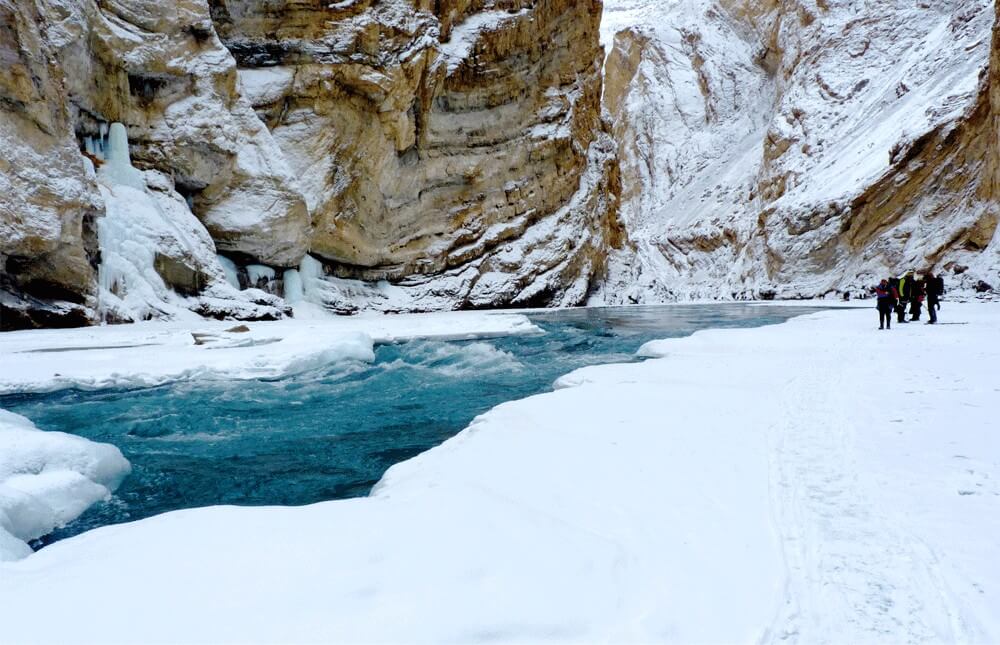
The Chadar Trek offers a unique winter trekking experience on frozen river. This extraordinary adventure is unlike any other high altitude pass treks in Himalayas.
You’ll walk on the frozen Zanskar River surrounded by towering canyon walls. Local Zanskari guides share stories of their ancestors who used this route. This cultural trekking experiences showcase adaptation to extreme mountain conditions.
7. Bali Pass, Uttarakhand
Bali Pass connects Uttarakhand’s Rupin and Supin valleys. This challenging trek offers dramatic landscapes and technical challenges.
The trail includes river crossings, steep ascents, and glacier traverses. You’ll witness stunning waterfalls and pristine alpine lakes. This crossover treks in Himachal and Uttarakhand region provides exceptional mountain scenery.
8. Roopkund (Skeleton Lake) via Junargali Pass, Uttarakhand
Roopkund Trek combines mystery, adventure, and natural beauty. The mysterious Skeleton Lake attracts trekkers and researchers worldwide.
The lake contains ancient human skeletons visible when ice melts. Local legends and scientific theories surround this mysterious site. This heritage treks in the Himalayas offers both adventure and historical intrigue.
9. Baralacha La, Himachal Pradesh – Ladakh
Baralacha La serves as a crucial pass connecting Himachal Pradesh with Ladakh. This high-altitude crossing is accessible by both trekking and motorable routes.
The pass offers panoramic views of surrounding peaks and glaciers. You can combine this with longer challenging Himalayan treks in India. The area showcases the transition from Himalayan to Trans-Himalayan landscapes.
Essential Tips for High Pass Treks in India
Physical Fitness Requirements
Fitness is key: Many passes are above 4,000 meters, so prepare with cardio and strength training. Start preparing at least 3-4 months before your trek. Focus on building endurance through running, cycling, and hiking with a loaded backpack.
Training Recommendations:
- Run 5-7 kilometers regularly to build cardiovascular endurance
- Practice hiking with 10-15 kg backpack on weekends
- Include strength training focusing on legs and core muscles
- Practice breathing exercises to prepare for high altitude
Acclimatization Strategy
Acclimatization is essential: Spend extra days to avoid altitude sickness. Plan rest days during your trek, especially above 3,500 meters. Listen to your body and don’t rush the ascent.
Acclimatization Tips:
- Ascend gradually – gain no more than 500 meters sleeping altitude daily
- Drink plenty of water and avoid alcohol at high altitudes
- Eat light, carbohydrate-rich meals to maintain energy
- Recognize altitude sickness symptoms and descend if necessary
Best Trekking Seasons
Best seasons: Summer (May-June) and Post-monsoon (September-October). Winter treks are possible only in select regions like Ladakh for Chadar Trek.
Seasonal Considerations:
- Summer: Clear weather but can be crowded on popular routes
- Post-monsoon: Excellent visibility with stable weather conditions
- Winter: Limited options but unique experiences like Chadar Trek
- Monsoon: Avoid most high-altitude treks due to landslide risks
Permits and Professional Guidance
Guides and permits: Some passes, especially near borders, require permits. Local guides make the trek safer and more enriching. They provide valuable insights into local culture and ensure your safety.
Important Requirements:
- Research permit requirements well in advance
- Hire experienced local guides familiar with the route
- Carry proper identification documents and multiple copies
- Register with local authorities where required
Cultural and Historical Significance
Many high altitude pass treks in Himalayas follow ancient trekking routes in India with deep historical significance. These paths connected different regions for trade, pilgrimage, and cultural exchange.
Traders carried goods like salt, wool, and precious stones across these passes. Pilgrims used these routes to visit sacred sites and monasteries. Today’s trekkers follow the same challenging Himalayan treks in India walked by countless generations.
The cultural trekking experiences on these routes are invaluable. You’ll encounter diverse communities preserving traditional lifestyles. These heritage treks in the Himalayas offer glimpses into centuries-old customs and beliefs.
Safety Considerations and Preparation

High-altitude trekking requires careful preparation and safety awareness. Weather conditions can change rapidly in the mountains. Proper gear and emergency preparedness are essential for safe completion.
Essential Safety Measures:
- Carry comprehensive first aid kit with altitude sickness medication
- Pack appropriate clothing for extreme weather conditions
- Bring reliable communication devices for emergencies
- Travel with experienced trekking partners or professional guides
- Inform family and friends about your detailed itinerary
Weather monitoring becomes crucial for crossover treks in Himachal and Uttarakhand. Mountain weather can be unpredictable, especially at high altitudes. Always have contingency plans for route changes or early descent.
Let’s summarize
India’s high altitude pass treks in Himalayas offer extraordinary adventures combining natural beauty with cultural richness. These challenging Himalayan treks in India test your physical and mental limits while rewarding you with unforgettable experiences.
From the accessible Hampta Pass to the demanding Pin Parvati Pass, each trek offers unique challenges and rewards. The crossover treks in Himachal and Uttarakhand showcase India’s incredible mountain diversity.
These ancient trekking routes in India connect you with centuries of human history and tradition. The cultural trekking experiences and heritage treks in the Himalayas provide deep insights into mountain communities and their way of life.
Whether you’re a beginner or experienced mountaineer, India’s pass treks offer something special. Start with easier routes and gradually progress to more challenging adventures. Each trek will leave you with lasting memories and a deeper appreciation for the mighty Himalayas.
Remember to trek responsibly, respect local cultures, and preserve the pristine mountain environment for future generations. The mountains are calling – answer with proper preparation, respect, and an adventurous spirit.
Explore More Such Blogs
Best Treks for Stargazing in India: A Complete Guide to Celestial Adventures
Top Historically Significant Treks in India That Every Traveler Should Explore
Frequently Asked Questions (FAQs) on Best Pass Treks in India
What is the best time for high altitude pass treks in India?
The best time is during summer (May-June) and post-monsoon (September-October) seasons. These months offer stable weather, clear views, and safer trekking conditions. Avoid monsoon season due to landslide risks.
Do I need permits for Himalayan pass treks?
Yes, many high altitude pass treks require permits, especially those near international borders. Treks like Pin Parvati Pass and Kang La Pass need advance permits. Check with local authorities or trekking agencies for specific requirements.
How fit should I be for challenging Himalayan treks?
You need excellent cardiovascular fitness and endurance. Start training 3-4 months before with regular running, hiking with loaded backpack, and strength exercises. Most passes are above 4,000 meters requiring good physical preparation.
Which is the easiest pass trek for beginners?
Hampta Pass Trek in Himachal Pradesh is ideal for beginners. At 4,270 meters elevation with moderate difficulty, it offers great introduction to high altitude trekking with stunning landscape diversity.
How much do these pass treks typically cost?
Costs vary from ₹15,000-50,000 depending on trek duration, difficulty, and services included. Budget treks like Hampta Pass cost ₹15,000-25,000, while technical treks like Pin Parvati Pass cost ₹35,000-50,000.
Can I do these treks solo or do I need a guide?
While some treks allow solo hiking, hiring experienced local guides is highly recommended for safety. Guides provide route knowledge, cultural insights, emergency support, and help with permits and logistics.
What gear do I need for high altitude pass treks?
Essential gear includes warm clothing layers, waterproof jacket, sturdy trekking boots, sleeping bag rated for sub-zero temperatures, trekking poles, headlamp, and basic mountaineering equipment for technical passes.
How do I prevent altitude sickness on these treks?
Ascend gradually (maximum 500m sleeping altitude gain daily), stay hydrated, avoid alcohol, eat carbohydrate-rich foods, and take rest days for acclimatization. Carry Diamox medication and descend immediately if symptoms worsen.