

Discover the best treks in Meghalaya! From living root bridges to canyon trails, explore rainforests, waterfalls, and Khasi villages on unforgettable adventures.
Where clouds kiss emerald hills and waterfalls tumble into endless valleys—Meghalaya offers trekking experiences unlike anywhere else in India. Best treks in Meghalaya take you through the “Abode of Clouds” showcasing lush rainforests, mystical caves, and breathtaking waterfalls. This enchanting state is famous for its unique living root bridges crafted by indigenous Khasi tribes. The landscape here is dramatically different from Himalayan treks with dense forests, limestone formations, and year-round greenery. Meghalaya offers adventures for everyone—from easy village walks to thrilling multi-day rainforest expeditions. The combination of natural wonders and rich tribal culture creates unforgettable trekking experiences. Get ready to explore one of India’s most magical trekking destinations where nature and culture blend seamlessly.
Why Trek in Meghalaya?
Unique Landscape Unlike Anywhere Else
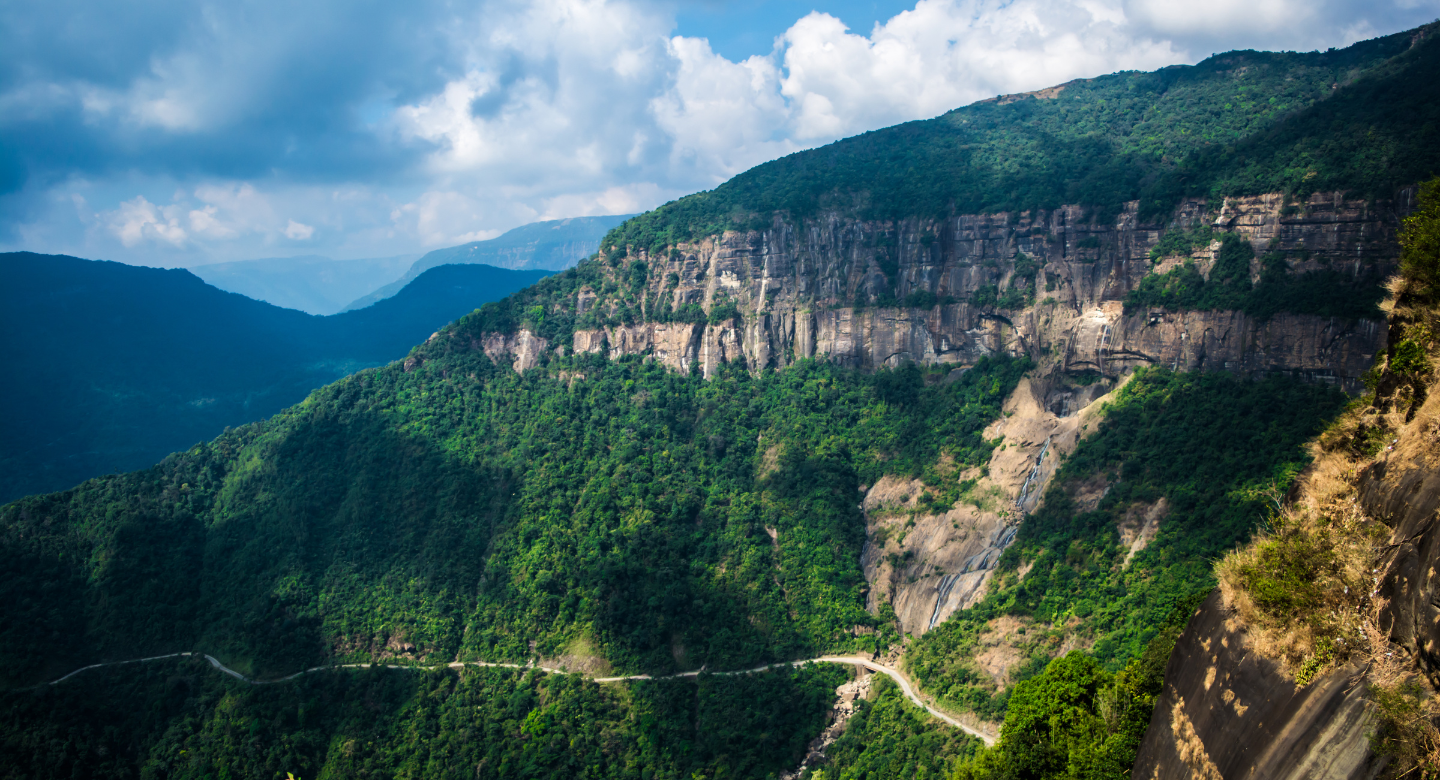
Meghalaya’s terrain features dense rainforests, dramatic limestone caves, rushing rivers, and towering cliffs creating otherworldly scenery. The state receives the highest rainfall in India, resulting in perpetually lush, green landscapes throughout the year. Countless waterfalls cascade down mountains creating natural pools perfect for refreshing dips during treks. Unlike dry mountain regions, trekking in Meghalaya means walking through living, breathing forests teeming with biodiversity. The misty atmosphere and cloud-covered hills create dreamy, almost surreal trekking conditions that photographers absolutely love. Limestone formations, deep gorges, and natural caves add geological wonders to your trekking adventures constantly.
Culturally Rich Khasi and Jaintia Villages
Trek routes pass through traditional Khasi, Jaintia, and Garo tribal villages offering authentic cultural experiences. Local communities maintain ancient customs, traditional architecture, and sustainable living practices passed down through generations. Many villages welcome trekkers into homestays providing insights into their daily life, food, and traditions. The indigenous knowledge of creating living root bridges demonstrates remarkable harmony between humans and nature. Meghalaya adventure travel becomes enriched when you interact with welcoming locals sharing stories and folklore. Sacred forests hold spiritual significance for communities—respecting these beliefs adds depth to your trekking journey.
Ideal for Nature Photography and Eco-Tourism
Every turn on Meghalaya trails offers Instagram-worthy moments—from cascading waterfalls to mystical root bridges. The ever-changing light through misty forests creates magical photography conditions throughout the day constantly. Rare orchids, unique birds, and diverse plant species make it a paradise for nature enthusiasts. Community-based tourism initiatives ensure your visit supports local livelihoods and conservation efforts directly. Eco-lodges and homestays provide sustainable accommodation options minimizing environmental impact while maximizing cultural exchange. Trekking in Meghalaya perfectly balances adventure with responsible, sustainable tourism practices benefiting local communities.
Year-Round Greenery and Misty Atmosphere
Unlike seasonal destinations, Meghalaya remains lush and green throughout the year regardless of month. The signature mist and clouds create atmospheric conditions that make treks feel mystical and enchanting. Even in peak summer, temperatures remain pleasant due to elevation and cloud cover providing comfortable trekking. The perpetual moisture supports unique ecosystems found nowhere else in India with endemic species thriving. This consistent beauty means you can plan the best treks in Meghalaya almost any time without seasonal limitations.
Best Treks in Meghalaya
1. Double Decker Living Root Bridge Trek – Nongriat
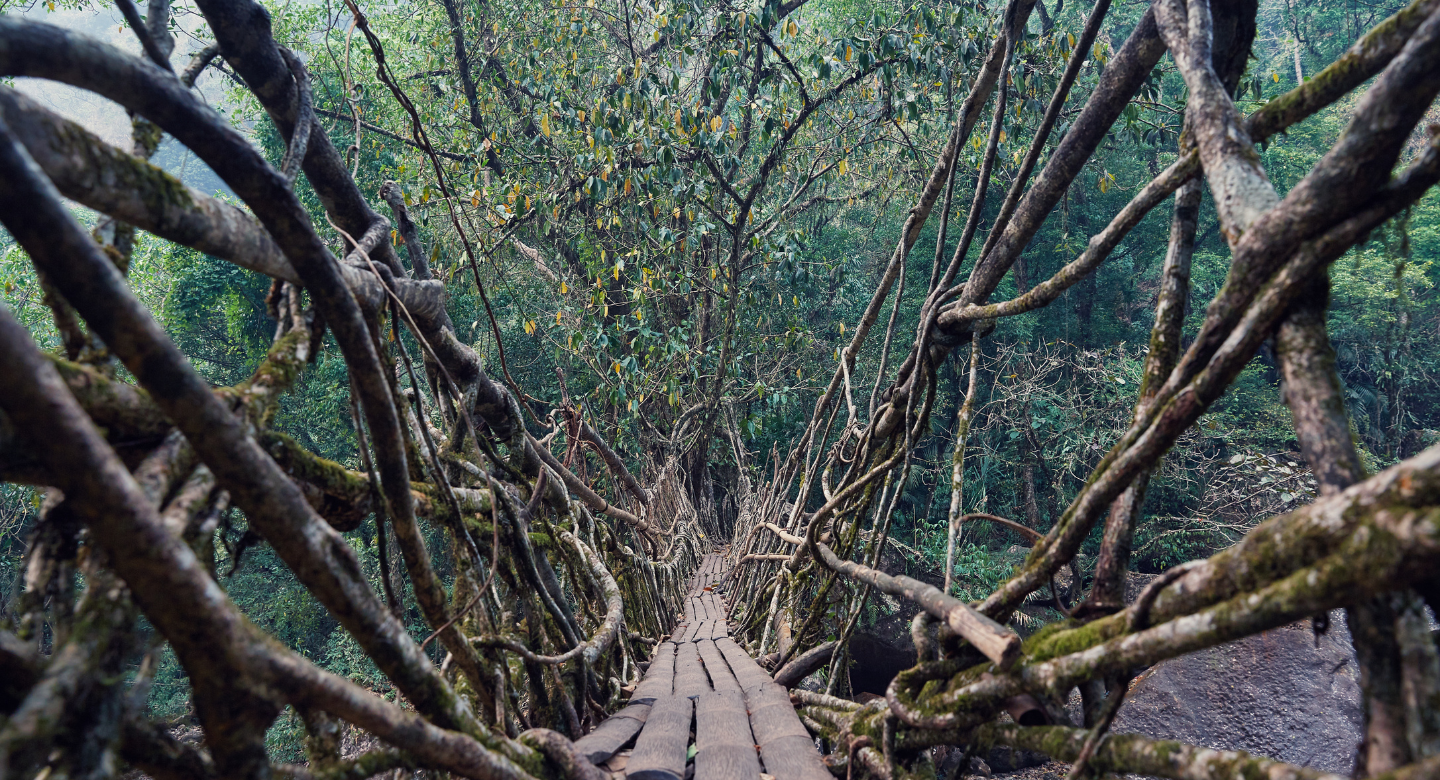
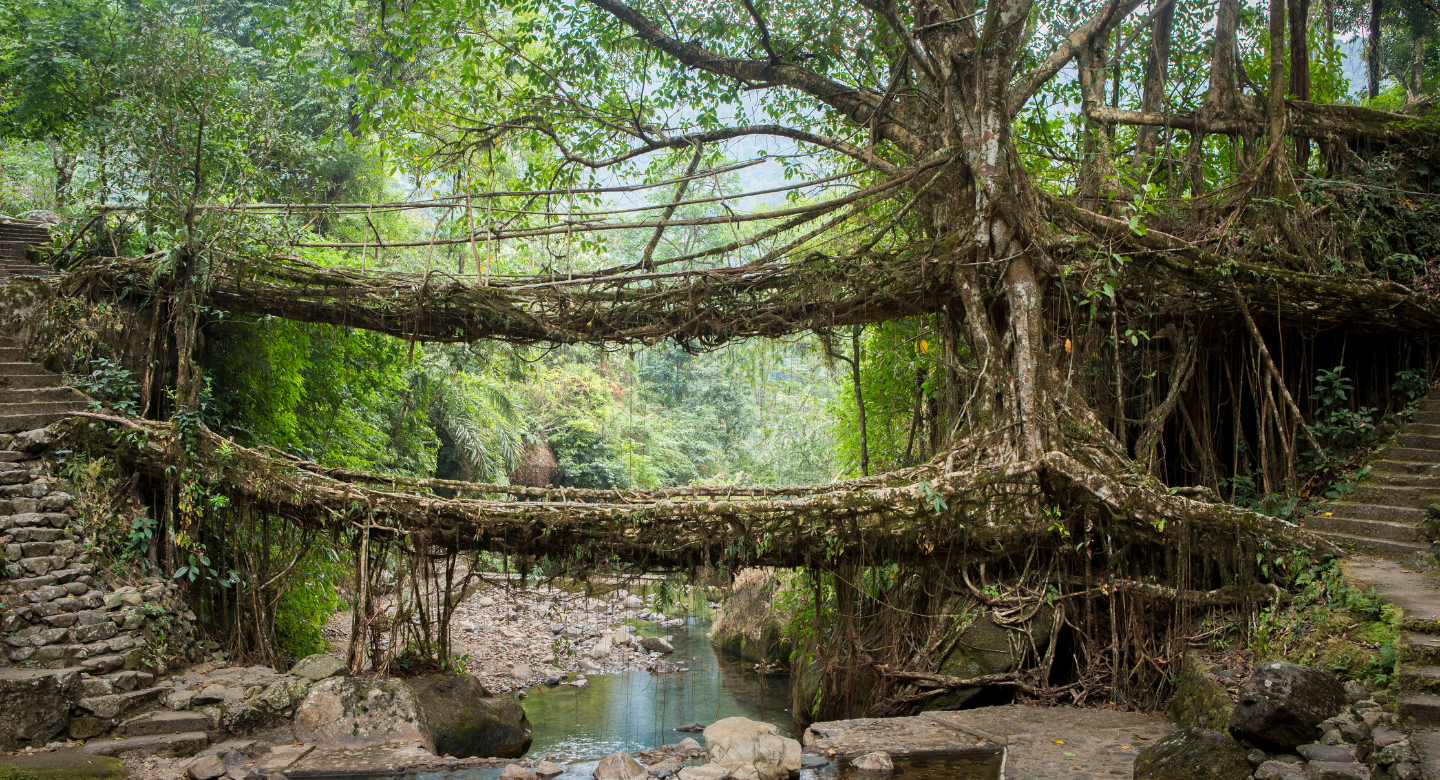
The Double Decker Living Root Bridge is Meghalaya’s most iconic natural wonder and engineering marvel. These bridges are created by training aerial roots of rubber trees across rivers over decades. The double-layered structure took over 50 years to form and can hold 50+ people simultaneously. The trek descends through dense forest with stone steps leading to Nongriat village at the bottom. Crystal-clear turquoise pools near the bridge invite trekkers for refreshing swims after the steep descent. Living root bridge treks offer glimpses of several single-root bridges along the route , showcasing indigenous wisdom. The ascent back requires stamina but rewards with stunning forest views and sense of accomplishment.
| Location: | Near Cherrapunji (Sohra), East Khasi Hills |
| Duration: | 3-4 hours descent, 4-5 hours ascent (approximately 3,500 steps one way) |
| Difficulty: | Moderate |
| Best Time: | October to April |
2. Rainbow Falls Trek – Nongriat
Rainbow Falls is a hidden gem requiring an additional trek beyond the Double Decker bridge. The trail becomes steeper and more challenging with fewer steps and rougher terrain than the main route. The waterfall cascades into a pristine natural pool surrounded by rocks and lush vegetation creating paradise. On sunny days, sunlight through mist creates vibrant rainbows dancing over the falls magnificently. The pool is deep enough for swimming and diving from surrounding rocks for adventurous visitors. Fewer tourists reach this point making it more peaceful than the crowded Double Decker area. This trekking in Meghalaya experience rewards perseverance with one of the state’s most beautiful natural pools.
| Location: | Extension beyond Double Decker bridge, Nongriat village |
| Duration: | 2-3 hours from Nongriat village (additional to Double Decker trek) |
| Difficulty: | Moderate to Hard due to steep, slippery trail |
| Best Time: | October to March |
3. David Scott Trail
The David Scott Trail is a historic British-era trading route connecting Assam plains to Meghalaya hills. This well-marked path winds through sacred forests, meadows, bamboo groves, and crystal-clear mountain streams. The trail crosses several hanging bridges and offers panoramic views of surrounding valleys and hills. Named after a British administrator, the route blends colonial history with indigenous Khasi culture beautifully. Villages along the way welcome trekkers with homestay options and traditional Khasi meals warmly. The diverse landscape keeps the trek interesting—no two sections look alike throughout the journey. Meghalaya adventure travel enthusiasts love this trek for its perfect blend of history, nature, and culture.
| Location: | Mawphlang to Lad Mawphlang, 16 kilometers near Shillong |
| Duration: | 5-6 hours one way |
| Difficulty: | Moderate |
| Best Time: | October to April |
4. Umden Village Trek
Umden is a serene silk-weaving village offering gentle treks through bamboo forests and terraced fields. The village is famous for traditional Khasi sericulture practiced for generations by local families. Trails meander through peaceful countryside showcasing rural life, traditional houses, and agricultural practices authentically. Local families welcome trekkers into their homes sharing stories, demonstrating silk weaving, and serving traditional meals. This trek prioritizes cultural immersion over physical challenge—perfect for families and those seeking authentic experiences. The surrounding landscape features gentle hills, streams, and forest patches ideal for leisurely exploration. Best treks in Meghalaya include Umden for those wanting meaningful cultural connections beyond physical adventure.
| Location: | Ri-Bhoi District, approximately 60 km from Shillong |
| Duration: | Half-day or full-day depending on chosen village trails |
| Difficulty: | Easy |
| Best Time: | Year-round |
5. Mawryngkhang Bamboo Trek (“The King of Stones”)
This adventure trek features bamboo skywalk bridges suspended dramatically over deep gorges and valleys. The highlight is a narrow bamboo bridge stretching across a chasm with nothing but sky below. The trail leads to a massive boulder known as “U Mawryngkhang” or King of Stones standing majestically. Views from the top encompass endless green valleys, hills, and cloud formations creating breathtaking panoramas. The combination of adrenaline-pumping sections and scenic beauty makes this uniquely exciting for adventure seekers. Local guides share legends about the sacred stone and its significance in Khasi mythology. Trekking in Meghalaya reaches new heights—literally and figuratively—on this thrilling yet accessible adventure trek.
| Location: | Wahkhen Village, East Khasi Hills |
| Duration: | 3-4 hours round trip |
| Difficulty: | Moderate |
| Best Time: | October to March |
6. Laitlum Canyon Trek
Laitlum means “end of hills” in Khasi, perfectly describing this stunning cliff-edge viewpoint destination. The canyon offers 360-degree views of undulating green hills disappearing into misty horizons endlessly. Short treks along the ridge provide spectacular sunrise and sunset viewpoints popular with photographers everywhere. Longer treks descend into the valley reaching Rasong village through terraced fields and forest trails. The landscape resembles Meghalaya’s version of the Grand Canyon with dramatic drop-offs and layers. Clouds often fill the valleys below creating the sensation of walking above the world. This Meghalaya adventure travel destination is perfect for those wanting maximum views with moderate effort required.
| Location: | 45 km from Shillong, East Khasi Hills |
| Duration: | 2-3 hours for short trek; full day if descending to Rasong village |
| Difficulty: | Easy to Moderate |
| Best Time: | October to March |
7. Nokrek National Park Trek
Nokrek is a UNESCO Biosphere Reserve featuring pristine rainforest rarely disturbed by human activity. The park protects rare citrus species, wild elephants, red pandas, and countless bird species thriving here. Trek routes wind through dense forest to Nokrek Peak offering panoramic views of the Garo Hills. The biodiversity is astounding with rare orchids, medicinal plants, and unique flora found nowhere else. Multi-day treks require camping in designated zones with permits obtained through forest department authorities. Local Garo guides share traditional knowledge about forest plants, wildlife tracking, and survival skills fascinatingly. This best trek in Meghalaya appeals to serious nature lovers and wildlife enthusiasts seeking wilderness immersion.
| Location: | West Garo Hills, approximately 12 km from Tura |
| Duration: | 2-3 days depending on route and exploration depth |
| Difficulty: | Moderate to Difficulty |
| Best Time: | November to March |
8. Siju Cave Trek (Bat Cave Trek)
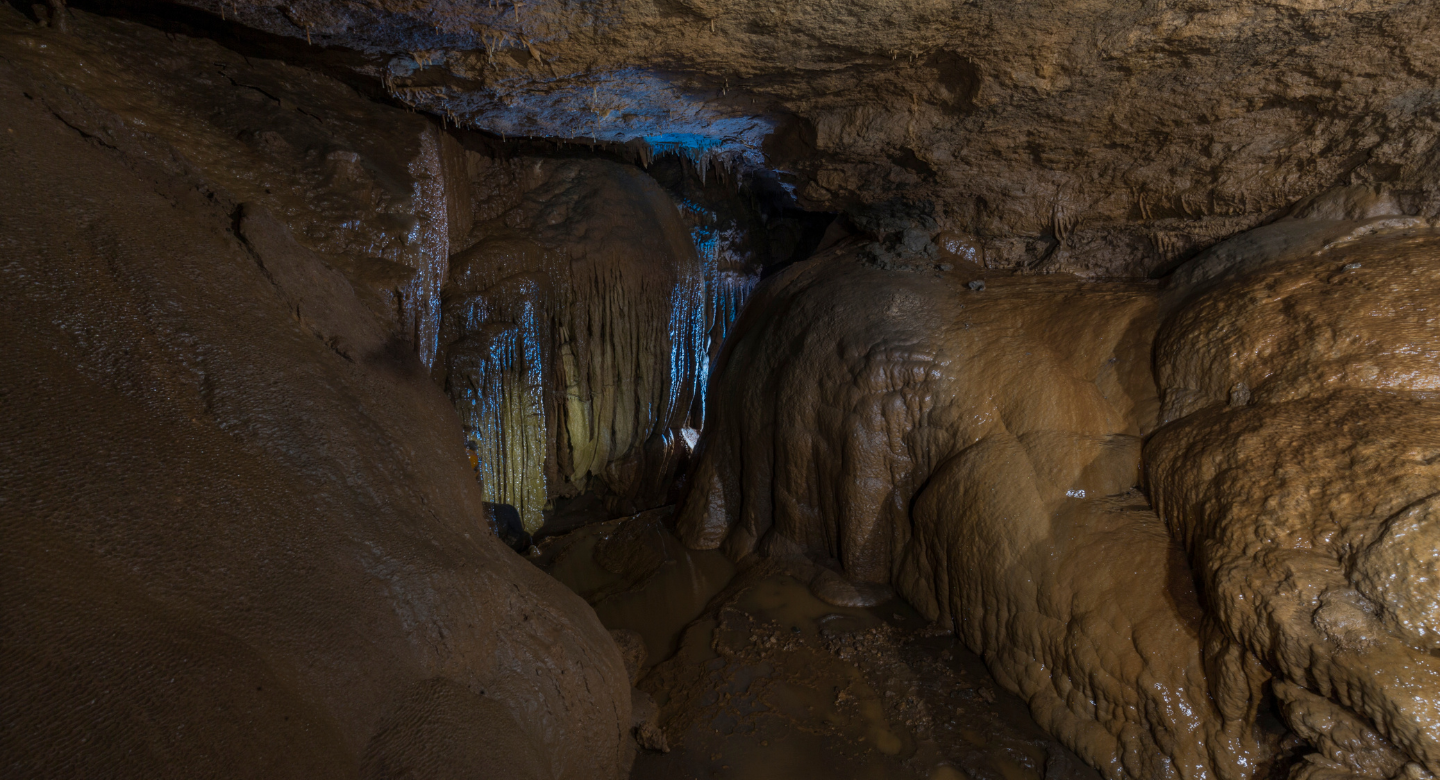
Siju Cave is one of India’s longest limestone caves featuring stunning stalactite and stalagmite formations. The cave system hosts massive bat colonies creating dramatic sights and sounds as they emerge. Trek approaches combine forest trails with cave exploration requiring headlamps and sturdy footwear throughout. Underground rivers flow through the caves creating unique aquatic ecosystems rarely seen above ground. The combination of trekking and caving provides diverse adventure experiences in a single expedition. Local guides navigate the complex cave system safely while explaining geological formations and bat ecology. Trekking in Meghalaya extends beyond surface trails into mysterious underground worlds waiting for exploration here.
| Location: | South Garo Hills, near Siju village |
| Duration: | Half-day to full-day depending on cave exploration depth |
| Difficulty: | Moderate |
| Best Time: | October to March |
Best Time to Trek in Meghalaya
October to April: Ideal Trekking Season
This period offers clear skies, pleasant temperatures, and significantly reduced rainfall perfect for trekking adventures. Best treks in Meghalaya are most accessible during these months with dry trails and stable weather. Leeches virtually disappear after monsoons making forest walks much more comfortable and enjoyable for trekkers. Visibility improves dramatically allowing better photography and appreciation of surrounding landscapes and distant views. Water levels in rivers and pools remain perfect for swimming without dangerous currents or floods. This season sees maximum tourist activity so book accommodations and guides in advance for popular destinations.
May to September: Green and Lush Monsoon Season
Meghalaya transforms into an emerald paradise during monsoon with waterfalls at their most powerful. Living root bridge treks become more challenging with slippery steps but offer dramatic waterfall views. Heavy rainfall can cause trail closures, landslides, and dangerous river crossings requiring extra caution and flexibility. Leeches are abundant during this period—proper preparation with salt, insect repellent, and leech-proof socks essential. Only experienced trekkers comfortable with rain and challenging conditions should attempt monsoon treks here. The reward is witnessing Meghalaya at its greenest with fewer tourists and deeply atmospheric conditions.
Tips for Trekking in Meghalaya
Always Carry Rain Gear
Weather in Meghalaya is notoriously unpredictable—clear mornings can turn to downpours within minutes unexpectedly. Pack a quality raincoat or poncho that covers both you and your backpack completely. Waterproof bags protect electronics, documents, and spare clothes from sudden showers during treks. Even during dry season, mist and light drizzle are common requiring weather-appropriate clothing layers. Quick-dry clothing works best as everything stays damp in Meghalaya’s high humidity environment consistently.
Hire Local Guides
Local guides possess invaluable knowledge about trail conditions, sacred sites, and cultural etiquette throughout regions. They navigate complex trail systems, especially for living root bridge treks with multiple confusing paths. Guides share legends, folklore, and ecological information enriching your trekking experience immeasurably beyond just navigation. Hiring local guides directly supports community livelihoods and sustainable tourism development in rural areas. Many trails aren’t well-marked or documented—guides prevent you from getting lost in dense forests.
Carry Water and Eco-Friendly Supplies
Bring reusable water bottles and purification tablets—many streams are safe but purification ensures health safety. Pack light snacks like energy bars and nuts for sustained energy during longer trekking days. Avoid single-use plastics completely—Meghalaya’s pristine environment deserves protection from pollution and littering. Carry all trash back with you following strict Leave No Trace principles throughout your treks.
Respect Local Traditions and Sacred Spaces
Many trails pass through sacred forests protected by indigenous beliefs and traditional laws for centuries. Don’t disturb plants, rocks, or wildlife in these areas—local communities consider them spiritually significant. Ask permission before photographing people, especially in remote villages respecting privacy and cultural sensitivities. Remove shoes or follow other protocols when entering sacred groves as requested by communities. Your respectful behavior ensures continued community support for trekking tourism in these areas long-term.
Avoid Littering and Plastic Use
Meghalaya’s natural beauty depends on trekkers’ commitment to keeping trails and forests clean always. Carry separate bags for waste and dispose of them properly in designated bins or back in cities. Even biodegradable items like fruit peels shouldn’t be left on trails—they decompose slowly here. Join community clean-up initiatives if available during your visit contributing positively to conservation efforts.
Offbeat Treks to Try
Pynursla to Mawlynnong Forest Trek
This lesser-known trail connects Pynursla village to Asia’s cleanest village Mawlynnong through pristine forests. The route showcases traditional Khasi villages, single-root bridges, and agricultural terraces along peaceful paths. Lower tourist numbers mean authentic interactions with locals and undisturbed natural environments throughout. The trek takes a full day covering moderate distance through varying terrain types constantly.
Sohbar River Trail
Follow the beautiful Sohbar River through jungle terrain with opportunities for swimming in natural pools. Local villages along the way offer homestays and traditional Khasi meals in authentic settings. This easy to moderate trek suits families and those wanting relaxed nature walks rather than challenges.
Shnongpdeng Riverside Village Walk
Shnongpdeng on the Dawki River border offers gentle walks combining river views with village life. Crystal-clear waters and riverside camping make this perfect for combining trekking with water activities. The landscape near the Bangladesh border features unique flat terrain different from Meghalaya’s typical hills.
Where to Stay During Meghalaya Treks
Homestays for Authentic Experiences
Nongriat, Mawlynnong, Mawphlang, and Umden villages offer homestays providing authentic cultural immersion opportunities. Local families serve traditional Khasi meals including rice, pork, fermented foods, and fresh vegetables grown locally. Staying in homes provides evening conversations, stories, and insights impossible in commercial hotels elsewhere. Homestays directly benefit communities financially encouraging preservation of culture and environment simultaneously.
Eco-Lodges and Community Guesthouses
Several villages operate community-run guesthouses with profits supporting local development and conservation projects. These accommodations balance modern comfort with environmental responsibility using sustainable practices throughout operations. Eco-lodges often organize guided treks, cultural programs, and nature walks enhancing your overall experience. Choosing such accommodations supports Meghalaya adventure travel that benefits communities and protects natural resources.
Let’s Conclude
Meghalaya’s charm lies in every step revealing waterfalls hidden in clouds, ancient root bridges, and warm village hospitality. Best treks in Meghalaya offer experiences found nowhere else—where nature and culture intertwine creating magic. From the iconic Double Decker bridge to remote Nokrek forests, options suit every trekker’s interests and abilities. Eco-friendly trekking and responsible travel ensure these treasures remain pristine for future generations to discover and enjoy.
Pack your rain jacket and curiosity—Meghalaya’s trails are waiting to take your breath away!
Explore More
Travel Insurance for Himalayan Treks: What Coverage You Really Need
Best Lake Treks in India: Stunning Trails for Every Trekker
Frequently Asked Questions (FAQs) on Best Treks in Meghalaya
What is the most famous trek in Meghalaya?
The Double Decker Living Root Bridge trek near Cherrapunji is Meghalaya’s most famous trek. It takes about 3-4 hours descent covering approximately 3,500 steps through forest. The unique living bridge and turquoise pools make it an iconic experience. Suitable for moderately fit beginners with some trekking experience.
Are the root bridge treks suitable for beginners?
Yes, the Double Decker trek is suitable for beginners with basic fitness levels. The trail has proper steps though steep in sections requiring careful navigation. Take breaks as needed and descend slowly to manage the knee strain. The ascent back is more challenging requiring stamina and determination.
What is the best month to visit Meghalaya for trekking?
October to March offers the best conditions with clear weather and dry trails. November and December provide excellent visibility and comfortable temperatures throughout. Avoid July-August peak monsoon unless you’re experienced with rain trekking. April-May can work but expect some rainfall and humidity.
Do you need guides or permits for these treks?
Most living root bridge treks don’t require permits but local guides are highly recommended. Nokrek National Park requires forest permits obtained through authorities in Tura town. Guides enhance safety and provide cultural insights worth the modest fees. Village homestays often connect trekkers with experienced local guides easily.
Is camping allowed in Meghalaya?
Camping is allowed in designated areas within national parks with proper permits obtained. Many villages offer community camping spots near settlements for trekker convenience and safety. Wild camping in sacred forests is discouraged—respect local traditions and guidelines. Most trekkers prefer homestays for comfort and cultural experience instead.
How difficult is trekking in Meghalaya compared to Himalayan treks?
Trekking in Meghalaya is less about altitude and more about steep descents and humidity. Trails are slippery when wet requiring careful footing and proper shoes always. The climate is warmer and more humid unlike crisp Himalayan mountain air. Physical challenge comes from stairs and humidity rather than altitude or distance.
Can I do Meghalaya treks solo or need a group?
Solo trekking is possible on popular routes like Double Decker with clear paths. Remote treks like Nokrek require guides for safety and navigation through dense forests. Women travelers generally feel safe solo but joining groups enhances experiences through companionship. Meghalaya adventure travel welcomes solo travelers with supportive local communities throughout regions.

[…] Best Treks in Meghalaya: Explore the Abode of Clouds on Foot […]