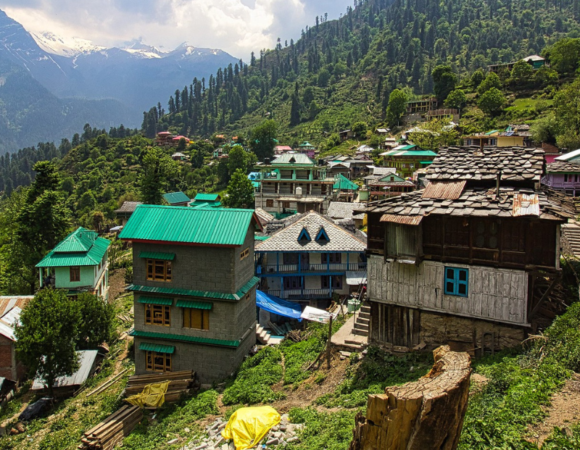
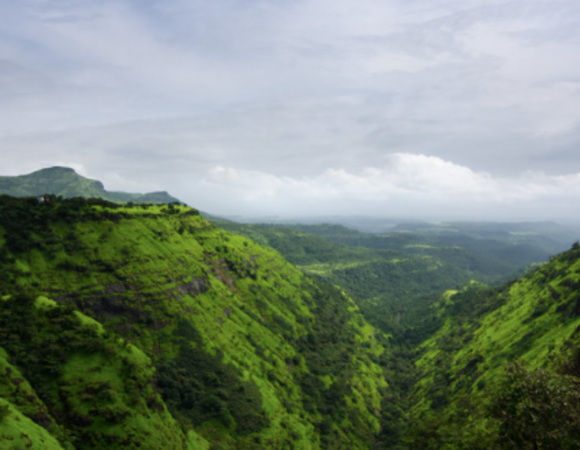
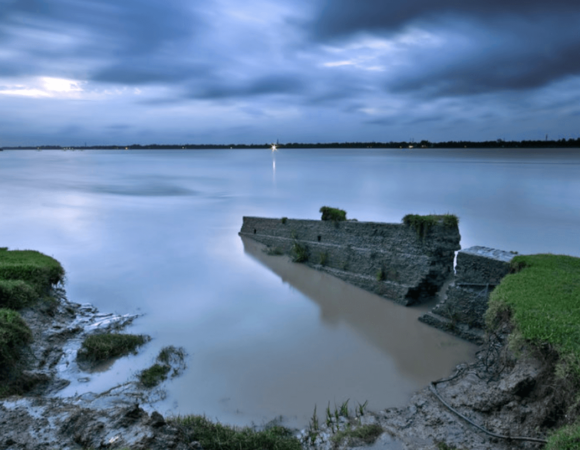
Climate change is affecting Himalayan treks at an alarming rate, reshaping the landscape that has drawn adventurers for generations. The receding glaciers, unpredictable weather patterns, and shifting seasons are no longer theoretical concerns but tangible realities for anyone who ventures into these majestic mountains.

The Himalayas aren’t just any mountain range—they’re the “Third Pole,” holding the largest concentration of ice outside the polar regions. This ecological marvel provides water to nearly 1.5 billion people across Asia. When climate change is affecting Himalayan treks, it signals much deeper environmental changes with global implications.
In this article, we’ll explore how climate change is transforming trekking experiences in the Himalayas, backed by scientific data, firsthand accounts, and expert insights. More importantly, we’ll discuss what you as a trekker can do to help preserve these magnificent landscapes for future generations of adventurers.
1. Understanding Climate Change in the Himalayas

Climate change refers to long-term alterations in temperature and weather patterns, primarily driven by human activities like burning fossil fuels. While this phenomenon affects the entire planet, the Himalayas are particularly vulnerable.
Studies show that temperature rise in the Himalayan region is occurring at 1.5 times the global average rate. This accelerated warming makes the region a climate change hotspot, with dramatic consequences for its glaciers, wildlife, and human populations.
The Himalayas house over 600,000 square kilometers of glaciers, earning the nickname “the Water Tower of Asia.” These glaciers are retreating at an unprecedented rate, with some losing up to 20 meters of ice annually. When climate change is affecting Himalayan treks, we’re witnessing the real-time transformation of one of Earth’s most crucial ecosystems.
2. Visible Changes on Trekking Trails
Melting Glaciers and Reduced Snow Cover

The retreat of the Gangotri Glacier—the source of the sacred Ganges River and a popular trekking destination—provides stark evidence of how climate change is affecting Himalayan treks. In the past century, this massive ice formation has retreated more than 1.5 kilometers, with the rate of recession accelerating in recent decades.
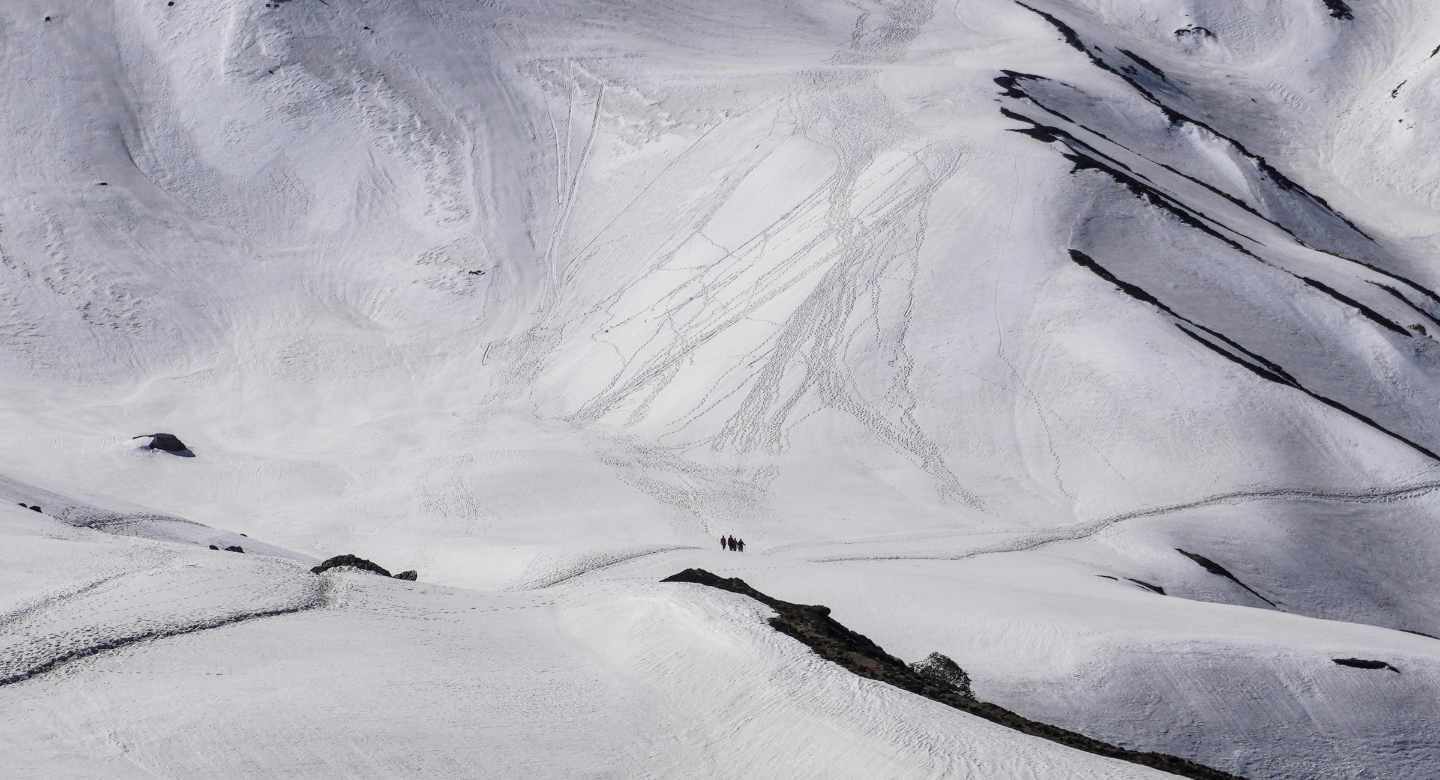
Trekkers who visited famous routes like Goecha La in Sikkim or Bara Bhangal in Himachal Pradesh even five years ago report drastically different landscapes today. Where once they traversed vast snowfields, they now find exposed rock and soil. This not only alters the aesthetic experience but also increases technical difficulty on certain routes.
Shifting Trekking Seasons

Traditional trekking calendars are becoming increasingly unreliable. The winter trek season in areas like Kedarkantha and Brahmatal used to begin reliably in December, offering pristine snow conditions. Now, adequate snowfall often doesn’t arrive until January or even February.
Experienced trek operators have had to reschedule or even cancel trips due to these seasonal shifts. Climate change is affecting Himalayan treks by introducing a level of unpredictability that complicates planning and potentially threatens the safety of adventurers.
Unpredictable Weather Patterns
Trekkers in regions like the Valley of Flowers and Kheer Ganga increasingly report experiencing sudden cloudbursts, unseasonal rain, and flash floods. These extreme weather events—directly linked to climate disruption—have transformed once-predictable monsoon patterns into chaotic and sometimes dangerous conditions.
In 2013, the devastating Kedarnath floods, attributed to unusually heavy rainfall and glacial lake outburst, claimed thousands of lives and permanently altered trekking routes in the region. Such catastrophic events are becoming more common as climate systems destabilize.
Diminishing Water Sources

Many trekking routes once boasted reliable streams and springs where hikers could refill their water bottles. Today, trekkers on popular trails like the Markha Valley trek in Ladakh report that water sources marked on older maps have completely disappeared.
This scarcity affects not only trekkers but also local communities and wildlife dependent on these water sources. The situation becomes particularly acute during pre-monsoon months when natural water availability is already at its lowest.
Trail Erosion and Landslides

As glaciers melt and rainfall patterns change, soil stability decreases across the Himalayan range. Combined with deforestation, this creates perfect conditions for landslides and trail erosion.
The Annapurna Circuit, one of the world’s classic treks, has seen sections repeatedly damaged by landslides in recent years. Climate change is affecting Himalayan treks through these physical alterations to the landscape, sometimes closing routes entirely or necessitating significant detours.
3. Impact on Local Communities and Wildlife

The people who have lived in harmony with the Himalayan environment for centuries are now forced to adapt to rapid changes. Sherpa guides in Nepal, porters in Uttarakhand, and homestay owners across the range report changing livelihood patterns as trekking seasons shift and traditional agriculture becomes less predictable.
In villages like Raithal near the Dayara Bugyal trek, farmers have had to switch crops and alter planting schedules due to changing rainfall patterns. Some communities are abandoning agriculture altogether in favor of tourism-related occupations, fundamentally changing centuries-old cultural practices.
Wildlife habitats are shifting upslope as temperatures rise. Species like the snow leopard, already endangered, face further habitat compression. Trekkers who once reported frequent marmot sightings on routes like the Pin Parvati Pass now note their absence or displacement to higher elevations.
Even sacred pilgrimage routes aren’t immune. The Nanda Devi Raj Jat Yatra, held every 12 years in Uttarakhand, now faces challenges from altered terrain and unpredictable weather, threatening a tradition that has continued for centuries.
4. What It Means for Trekkers

The traditional wisdom about when to trek in different Himalayan regions is quickly becoming outdated. The optimal window for many treks has shortened, with some high-altitude passes now crossable for only a few weeks each year instead of months.
Risk assessment has become more complex. Routes considered safe for decades may now present unforeseen hazards from unstable terrain, unexpected weather events, or glacial lake outburst floods (GLOFs). Climate change is affecting Himalayan treks in ways that demand greater caution and preparation from adventurers.
Logistical challenges are increasing for trek organizers and participants alike. When weather patterns become unpredictable, everything from transportation to campsite selection becomes more difficult to plan. Many operators now build extra buffer days into itineraries to accommodate potential delays.
Perhaps most poignantly for long-time Himalayan trekkers, the aesthetic experience is changing. Routes once famous for snow-covered vistas increasingly reveal bare rock faces. Iconic views captured in photographs from even a decade ago may now look substantially different.
5. What Trekkers Can Do to Help

Travel Responsibly
Every trekker can contribute to reducing environmental impact. Follow the principles of Leave No Trace: pack out all waste, stay on established trails, and minimize campfire use. Choose tour operators with strong environmental commitments and eco-friendly practices.
Consider using biodegradable soap, toothpaste, and sunscreen to prevent chemical contamination of water sources. Carry a reusable water bottle with a purification system rather than purchasing bottled water, which creates waste that’s difficult to dispose of properly in remote areas.
Reduce Carbon Footprint
Your journey begins long before you reach the trailhead. Consider taking trains or buses to base camps rather than private vehicles when possible. If flying internationally to trek, look into carbon offset programs specifically designed for travelers.
Some trekking companies now offer “slow trekking” options that build in more rest days and cultural experiences, reducing the rushed nature of many commercial trips and decreasing overall environmental impact while enhancing cultural connection.
Join Clean-Up Treks
Organizations like Scoutripper, Healing Himalayas, and the Himalayan Club regularly organize clean-up treks that combine adventure with environmental stewardship. Participating in these initiatives allows you to enjoy the mountains while actively contributing to their preservation.
The Mountain Cleaners in Dharamshala and Waste Warriors in Dehradun welcome volunteers to help with waste management projects in the Himalayan foothills. Even dedicating a single day of your trekking itinerary to such efforts can make a meaningful difference.
Educate and Share
Use your experiences to raise awareness. When sharing stunning Himalayan photos on social media, consider including information about how climate change is affecting Himalayan treks and what actions people can take. Personal testimonies from the field often resonate more powerfully than abstract statistics.
Support research and advocacy by organizations like the International Centre for Integrated Mountain Development (ICIMOD), which works to understand and address climate challenges in the Hindu Kush Himalaya region.
Final Thoughts About How Climate Change Is Affecting Himalayan Treks
The evidence is clear and compelling—climate change is affecting Himalayan treks in profound ways that transform both the physical landscape and the human experience of these magnificent mountains. From melting glaciers to disappearing water sources, from altered trekking seasons to increased natural hazards, the changes are impossible to ignore.
Yet there remains hope in collective action. As trekkers, we have both the privilege of witnessing these precious environments and the responsibility to help preserve them. Through responsible travel practices, carbon footprint reduction, participation in conservation efforts, and education, we can contribute to solutions rather than problems.
The Himalayas have given generations of adventurers incomparable experiences of challenge, beauty, and spiritual connection. Now, these mountains—and the communities that call them home—need our help in return. Let’s ensure that future trekkers can discover the same magic that has drawn so many of us to these heights.
The mountains are calling—and they’re asking us to act.
Explore More Such Blogs:
What is a Carbon Footprint – Definition, Calculation, and Measures to Reduce It
Climate Change: 5 Facts That Demand Attention
Frequently Asked Questions (FAQs) About How Climate Change Is Affecting Himalayan Treks
How is climate change specifically affecting popular Himalayan treks like Everest Base Camp?
Climate change is affecting the Everest Base Camp trek through multiple changes: thinning ice on the Khumbu Glacier, expansion of glacial lakes creating new hazards, and shifting weather patterns that can disrupt trekking seasons. Many trekkers now encounter more exposed rock surfaces where snow and ice previously dominated. Local guides report that stream crossings have become more dangerous due to increased glacial melt during warmer months.
When is the best time to trek in the Himalayas now that seasons are shifting?
Traditional trekking seasons are becoming less predictable. For most Himalayan regions, mid-September to early November remains reliable with stable weather, though the window is narrowing. Spring season (March-May) now often sees earlier snowmelt and increased chance of pre-monsoon rains. Winter treks should be planned for late January through February rather than December, as snowfall is increasingly delayed. Always check with local trekking operators for the latest conditions before finalizing plans.
Are there any Himalayan treks that are less affected by climate change?
Lower elevation treks in regions like Sikkim’s Singalila Ridge, Uttarakhand’s Valley of Flowers, and Himachal’s Great Himalayan National Park have shown somewhat less dramatic changes than high-altitude glacial routes. Forest trails below 3,000 meters generally maintain more stable conditions throughout the year. However, no Himalayan region is entirely immune from changing weather patterns and their consequences on trail conditions.
How can I verify if a trekking company follows sustainable practices?
Look for companies certified by organizations like TOFT (Travelers’ Forest Conservation Fund), Sustainable Tourism Certification, or those endorsed by local conservation NGOs. Check if they have written environmental policies, proper waste management protocols, and fair treatment of porters and staff. Companies genuinely committed to sustainability will usually limit group sizes, use local food sources, avoid single-use plastics, and contribute to community development projects. Don’t hesitate to ask direct questions about their specific environmental practices.
What gear changes should trekkers make in response to changing Himalayan conditions?
Pack for greater weather variability with versatile layering systems rather than single heavy garments. Include high-quality rain protection even in traditionally dry seasons. Traction devices for boots are increasingly necessary as trails alternate between mud, rock, and ice more frequently. Water purification systems are essential as water sources become less reliable. Consider trekking poles to navigate unstable terrain and ultralight gear to reduce your overall environmental footprint.
How are local Himalayan communities adapting to climate change?
Himalayan communities are adapting through various strategies: diversifying income sources beyond traditional agriculture, creating water conservation systems to deal with unreliable rainfall, establishing community-based warning systems for extreme weather events, and shifting cultivation patterns and crop choices. Many villages now maintain emergency supplies and communication systems. Some communities have formed cooperatives to strengthen resilience through resource sharing and collective problem-solving.
Are there any new trekking routes opening up due to climate change?
As glaciers retreat, some previously inaccessible areas are becoming navigable, creating new potential routes. In regions like Upper Mustang in Nepal and parts of Ladakh, reduced snowfall has extended accessibility to certain high passes. However, these “benefits” come with significant ecological costs and often increased hazards from unstable terrain. Any new routes should be approached with proper local guidance and environmental sensitivity rather than seeing them as opportunities for exploitation.
What are glacial lake outburst floods (GLOFs), and how do they affect trekkers?
GLOFs occur when lakes formed by melting glacial water suddenly breach their natural dams, releasing enormous volumes of water downstream. These increasingly common events can destroy trails, bridges, and settlements with little warning. Trekkers should research if their route passes below glacial lakes, avoid camping in potential flood paths, learn to recognize warning signs like sudden river level changes, and always follow guide recommendations ab
How can I calculate and offset the carbon footprint of my Himalayan trek?
Calculate your trek’s carbon footprint using online calculators that account for flights, ground transportation, and accommodation. The average international trekker generates 2-4 tons of CO₂ for a two-week Himalayan journey. To offset this impact, invest in verified carbon offset projects, particularly those benefiting Himalayan communities through renewable energy or forest conservation. Better yet, reduce your initial footprint by choosing overland travel where possible, extending your stay to maximize the value of long-distance transportation, and selecting locally-owned accommodations with sustainable practices.
What scientific research is being done to monitor climate change in the Himalayas?
Several major research initiatives are monitoring Himalayan climate change. The International Centre for Integrated Mountain Development (ICIMOD) tracks glacial retreat across the region. NASA’s High Mountain Asia Project uses satellite data to measure snow cover and ice volume changes. The Himalayan Climate Change Adaptation Programme studies impacts on water resources and ecosystems. Citizen science is also playing an increasing role, with programs like the Community Based Flood Early Warning System engaging local communities in data collection and monitoring efforts.