

Guided trek vs independent trekking is a common dilemma faced by adventure enthusiasts worldwide. Trekking has become one of the most sought-after activities in the Himalayas and beyond. From snow-capped peaks to lush valleys, trekkers seek unique experiences in nature. But the question remains: should you hire a guide or go solo? Both options have their merits and challenges. This blog provides an honest comparison to help you make an informed decision. Whether you’re a beginner or an experienced trekker, understanding these differences is crucial. Let’s dive into what each style offers.
What is a Guided Trek?
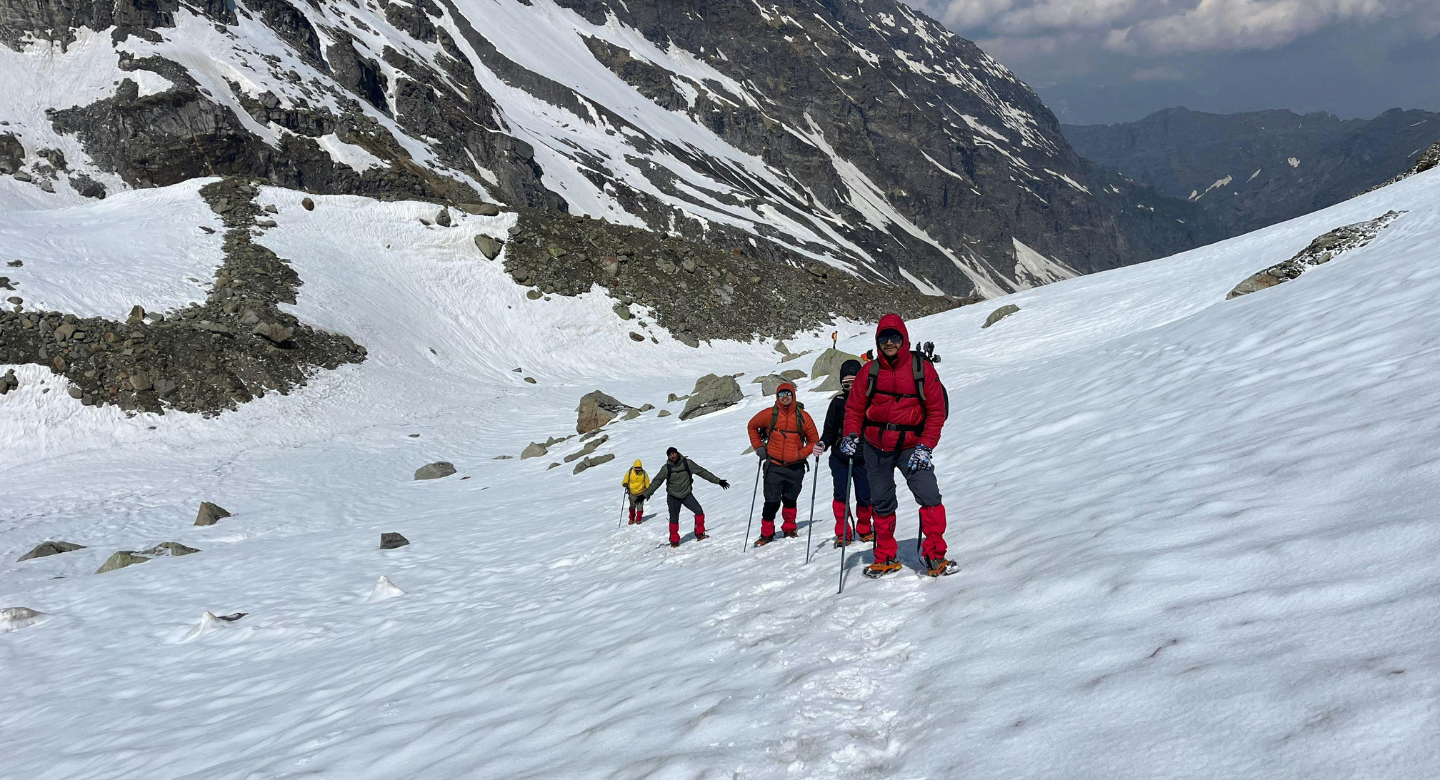
A guided trek is organized and led by professional trekking agencies or experienced guides. These treks come with a complete package designed for convenience and safety. Typical inclusions are guides, porters, meals, accommodation, permits, and pre-planned itineraries. Everything is arranged beforehand, so you can focus on enjoying the journey. Guided treks are especially popular in remote or high-altitude regions. They provide structure and support, which many trekkers find reassuring. The benefits of guided treks include expert navigation, local knowledge, and emergency assistance. For those unfamiliar with the terrain, this option reduces stress significantly.
What is Independent Trekking?
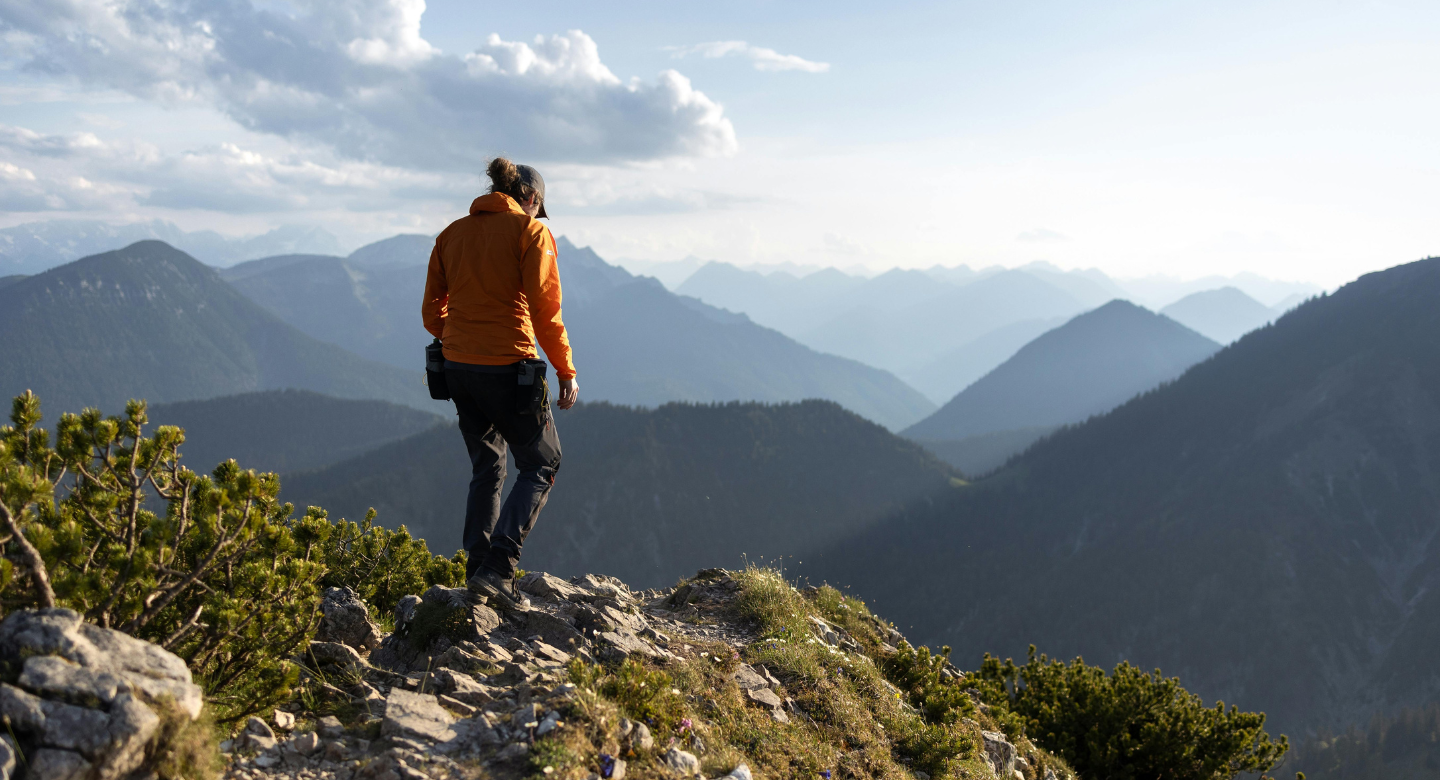
Independent trekking means exploring trails solo or with a self-organized group without hiring a guide. You are responsible for planning your route, logistics, obtaining permits, and implementing safety measures. This approach offers complete flexibility and freedom to explore at your own pace. You decide when to start, where to stop, and how long to rest. Independent trekking tips emphasize thorough research and preparation before departure. It’s ideal for those who enjoy self-reliance and want a more personal adventure. However, it requires confidence in navigation and wilderness skills. The experience can be deeply rewarding for the right person.
Key Differences Between Guided and Independent Trekking

Planning & Logistics
With a guided trek, everything is arranged by the trekking agency. Routes, accommodations, meals, and permits are all handled for you. You simply show up and follow the itinerary. Independent trekking requires you to plan every detail yourself. You must research routes, book accommodations, secure permits, and arrange transportation. Trekking safety and planning become entirely your responsibility. This takes time and effort but offers valuable learning experiences. Some trekkers enjoy this control, while others find it overwhelming.
Cost
Guided treks have a higher upfront cost due to the all-inclusive nature. You’re paying for guides, porters, meals, accommodations, and organizational support. However, this cost is predictable and transparent. Independent treks are generally cheaper since you manage expenses directly. But costs can vary widely depending on your choices and preparation. Budget accommodations and local food reduce expenses significantly. Yet unexpected costs like emergency supplies or last-minute permits can add up. Understanding the financial commitment helps you decide what fits your budget.
Safety & Support
Safety is a major consideration when comparing guided trek vs independent trekking. Guided treks offer experienced guides with local knowledge and emergency protocols. They can handle altitude sickness, injuries, or sudden weather changes effectively. You also travel with a group, which adds an extra layer of security. Independent trekking relies entirely on your own skills and judgment. In remote areas, help may not be readily available during emergencies. Trekking safety and planning require carrying proper gear, maps, communication devices, and first aid. Self-reliance can be empowering but also carries inherent risks.
Flexibility
Guided treks follow a fixed itinerary with predetermined stops and schedules. This limits your freedom to make spontaneous changes or explore off-route. However, the structure ensures you complete the trek within the planned timeframe. Independent trekking offers full flexibility to adjust your pace and route. You can take detours, spend extra time at scenic spots, or rest when needed. This freedom appeals to adventurous spirits who prefer unscripted experiences. The choice depends on whether you value structure or spontaneity.
Cultural & Local Experience
One of the key benefits of guided treks is access to local insights through knowledgeable guides. They share stories, traditions, and historical context that enrich your journey. Guides often facilitate interactions with local communities in a respectful manner. Independent trekking offers opportunities for self-discovery and personal interactions. You may have more authentic, unmediated encounters with locals along the way. However, language barriers and cultural unfamiliarity can pose challenges. Both approaches offer unique cultural experiences in different ways.
Pros and Cons
| Aspect | Guided Trek | Independent Trek |
| Safety | High – Expert support and emergency backup | Medium – Self-reliant, higher risk |
| Cost | High – All-inclusive but expensive | Low to medium – Budget-friendly |
| Planning | Easy – Everything arranged | Requires effort – You handle logistics |
| Freedom | Limited – Fixed schedule | Full flexibility – Your own pace |
| Learning & Local Insight | High – Guide expertise | Dependent on personal research |
This comparison highlights the trade-offs between convenience and freedom. Neither option is inherently better—it depends on your priorities and experience level. Consider what matters most to you before making a decision.
Who Should Choose Which Option?

Choose a guided trek if you are:
- A beginner with limited trekking experience. Guides provide essential support and knowledge.
- A solo traveler who wants companionship and security. Group dynamics enhance safety and enjoyment.
- Planning a high-altitude or remote trek. Professional guidance reduces altitude sickness risks significantly.
- Time-constrained and prefer hassle-free planning. Let experts handle logistics while you enjoy.
Choose independent trekking if you are:
- An experienced trekker with navigation and wilderness skills. Confidence in your abilities is essential.
- A budget-conscious traveler seeking cost-effective adventures. You control expenses directly.
- Someone who values freedom and flexibility. You want to explore at your own rhythm.
- Seeking deep self-discovery and personal challenge. Solo journeys offer profound introspection opportunities.
Understanding your comfort level and goals helps you choose the right approach. Honest self-assessment prevents disappointment and ensures a rewarding experience.
Tips for Successful Treks
Guided Trek Tips
The benefits of guided treks are maximized when you choose the right agency. Check online reviews and testimonials before booking. Ensure the agency follows proper safety measures and has trained guides. Confirm what’s included in the package to avoid hidden costs. Ask about group size, as smaller groups often provide better experiences. Verify that emergency protocols and insurance coverage are in place. Good communication with your guide enhances the overall journey.
Independent Trekking Tips
Independent trekking tips emphasize thorough preparation before departure. Research your route extensively using maps, apps, and trekking forums. Carry GPS devices or offline maps as backup navigation tools. Inform someone reliable about your itinerary and expected return date. Pack an emergency kit with first aid, extra food, and communication devices. Check weather forecasts and local conditions before starting. Start with easier trails to build confidence before attempting challenging routes. Trekking safety and planning should never be compromised for spontaneity.
Cost Comparison Example
Let’s compare costs for a popular Himalayan trek like Kedarkantha (6 days):
Guided Trek:
- Package cost: ₹12,000 – ₹15,000 per person
- Includes: Guide, meals, accommodation, permits, transport
- Additional: Personal gear, tips for guides/porters
- Total estimated cost: ₹15,000 – ₹18,000
Independent Trek:
- Permits and fees: ₹500 – ₹1,000
- Accommodation: ₹300 – ₹500 per night (₹1,800 – ₹3,000 total)
- Meals: ₹200 – ₹300 per day (₹1,200 – ₹1,800 total)
- Transport: ₹2,000 – ₹3,000
- Gear rental (if needed): ₹1,000 – ₹2,000
- Total estimated cost: ₹6,500 – ₹10,800
This example shows that independent trekking can save 40-50% compared to guided options. However, costs vary based on individual choices and unforeseen circumstances. Guided trek vs independent trekking ultimately depends on what you value more—convenience or savings.
Let’s Summarize
The debate between guided treks and independent trekking doesn’t have a one-size-fits-all answer. Guided treks offer safety, convenience, and expert knowledge—ideal for beginners and challenging terrains. The benefits of guided treks include stress-free logistics and enriching local insights. Independent trekking provides freedom, cost savings, and personal achievement for experienced adventurers. Following solid independent trekking tips ensures safety while maintaining flexibility. Trekking safety and planning should be your top priority regardless of your choice. Your decision should reflect your experience level, budget, and adventure preferences. Both paths lead to unforgettable experiences in nature’s magnificent landscapes.
Explore More:
Himalayan Monasteries You Can Visit While Trekking
Managing Anxiety and Panic Attacks at High Altitudes: A Trekker’s Mental Health Guide
Frequently Asked Questions (FAQs) on Guided Trek vs Independent Trekking: Honest Comparison
Can beginners do independent treks safely?
Yes, but only on well-marked, popular trails with minimal technical challenges. Start with easy treks close to civilization where help is accessible. Gradually build skills and confidence before attempting remote or difficult routes. Never trek alone on your first few independent adventures.
Do guided treks guarantee acclimatization support?
Most reputable guided treks include acclimatization days in their itineraries. Guides monitor your health and recognize altitude sickness symptoms early. However, individual responses to altitude vary, so no trek can guarantee zero issues. Choose agencies with trained guides and proper emergency protocols.
How to choose between guided and independent trekking?
Assess your experience level, budget, desired flexibility, and comfort with self-reliance. Consider the trek’s difficulty, remoteness, and altitude requirements. Guided trek vs independent trekking choices depend on personal priorities and honest self-evaluation. Research the specific trail to understand what challenges you’ll face.
Are permits easier to obtain with guided treks?
Yes, trekking agencies handle all permit applications and paperwork for you. They have established relationships with local authorities, making the process smoother. Independent trekkers must research permit requirements and apply themselves. Some remote areas have complex permit processes that agencies navigate more efficiently.
Can independent treks be done in groups safely?
Absolutely! Trekking with friends or organized groups enhances safety significantly. Group members can support each other during challenges and emergencies. Ensure at least one person has navigation skills and wilderness first aid training. Communication and clear planning are essential for successful group treks.

[…] Guided Trek vs Independent Trekking: Honest Comparison […]