Discover how gut health at altitude affects trekkers. Learn about fermented foods for trekking that prevent digestive issues and boost energy naturally.
Why Your Stomach Acts Up on Treks

You’re three days into your Himalayan trek when your stomach starts acting up unexpectedly. You blame the food quality, suspect the water, or worry about contamination causing discomfort. But the real culprit might be altitude-induced gut imbalance affecting your digestive system profoundly. Gut health at altitude weakens due to multiple factors—low oxygen, dehydration, stress, and dietary changes. Your digestive system struggles to function normally when oxygen levels drop and physical demands increase. Many trekkers experience bloating, constipation, loss of appetite, or general digestive discomfort during high-altitude adventures. Fermented foods offer a natural, powerful solution helping restore gut balance and improve overall well-being. These probiotic-rich foods support digestion, boost immunity, and enhance energy when your body needs it most.
This comprehensive guide explores why digestive issues at high altitude occur and how fermented foods can help.
What Happens to Your Gut at High Altitude?
A. Reduced Oxygen Levels
Digestion is an oxygen-intensive process requiring energy for breaking down food and absorbing nutrients efficiently. At high altitude, reduced oxygen availability forces your body to prioritize vital organs like heart and brain. Your digestive system receives less oxygen slowing down metabolic processes and enzyme production significantly. Food moves more slowly through your intestines causing bloating, discomfort, and incomplete digestion commonly. This oxygen deficit explains why gut health at altitude deteriorates even with the same foods you eat normally.
B. Increased Stress Hormones
Altitude triggers your body’s stress response releasing cortisol and adrenaline to help you adapt physically. These stress hormones impact gut motility—the coordinated muscle contractions moving food through your digestive tract. High cortisol levels can cause either constipation from slowed motility or loose motions from accelerated transit. The gut-brain connection means altitude stress directly affects digestive function through hormonal pathways constantly. Chronic stress at altitude disrupts the delicate balance your gut microbiome needs to function optimally.
C. Dehydration
High-altitude environments have extremely low humidity causing rapid fluid loss through breathing and increased urination. Dehydration thickens digestive fluids making food processing difficult and leading to constipation commonly experienced. Your intestines need adequate water to move waste efficiently—without it, everything slows down uncomfortably. Many trekkers underestimate fluid needs at altitude compounding digestive issues at high altitude unnecessarily through dehydration. Even mild dehydration affects gut bacteria composition reducing beneficial microbes that support healthy digestion.
D. Microbiome Imbalance
Your gut microbiome—trillions of beneficial bacteria helping digest food—is extremely sensitive to environmental changes. Altitude, stress, dehydration, and dietary changes all disrupt this delicate bacterial ecosystem dramatically and quickly. Beneficial bacteria populations decrease while potentially harmful bacteria may increase creating dysbiosis and discomfort. This imbalance manifests as bloating, gas, irregular bowel movements, and reduced nutrient absorption affecting energy. Restoring microbiome balance through fermented foods for trekking becomes crucial for maintaining digestive health throughout expeditions.
E. Change in Diet
Trekking diets often rely heavily on processed, packaged foods lacking the fiber and nutrients you consume normally. Instant noodles, energy bars, chips, and preserved meals dominate replacing fresh vegetables and wholesome foods. This dietary shift deprives your gut of essential prebiotics and fiber feeding beneficial bacteria populations. The sudden change shocks your digestive system which had adapted to your regular eating patterns at home. Best foods for high altitude trekking should support rather than challenge your already stressed digestive system.
Common Digestive Problems Trekkers Face

Bloating and Gas
Reduced oxygen and slower digestion cause food to ferment abnormally in your intestines producing excessive gas. The uncomfortable fullness and pressure make trekking miserable and affect your appetite for subsequent meals. Bloating often worsens at night making sleep already difficult at altitude even more challenging and uncomfortable.
Constipation
This is perhaps the most common digestive issue at high altitude affecting the majority of trekkers. Dehydration, reduced activity of intestinal muscles, and dietary changes all contribute to sluggish bowel movements. Going days without proper elimination creates discomfort, cramps, and reduces your overall energy and mood.
Loss of Appetite
Altitude suppresses appetite through multiple mechanisms including hormonal changes and reduced digestive capacity naturally. You know you need to eat for energy but food becomes unappealing or even nauseating. This creates a dangerous cycle—less eating means less energy for trekking and slower acclimatization processes.
Acid Reflux and Heartburn
Lying flat at night combined with slower digestion causes stomach acid to rise causing burning discomfort. Heavy evening meals exacerbate this problem making sleep difficult when you’re already struggling with altitude.
Stomach Cramps
Irregular gut motility causes painful cramping as your intestines struggle to move food through normally. These cramps can be severe enough to stop you mid-trek requiring extended breaks and rest.
Indigestion and Heaviness
Food sits in your stomach feeling like a rock rather than being digested and converted to energy. This constant heaviness reduces appetite and makes every step feel more labored and exhausting than necessary.
Sudden Loose Motions
While less common, some trekkers experience diarrhea from stress, contaminated water, or sudden dietary changes. This is particularly problematic in remote areas with limited facilities and increases dehydration risks significantly.
Why Fermented Foods Help at Altitude
A. Rich in Probiotics
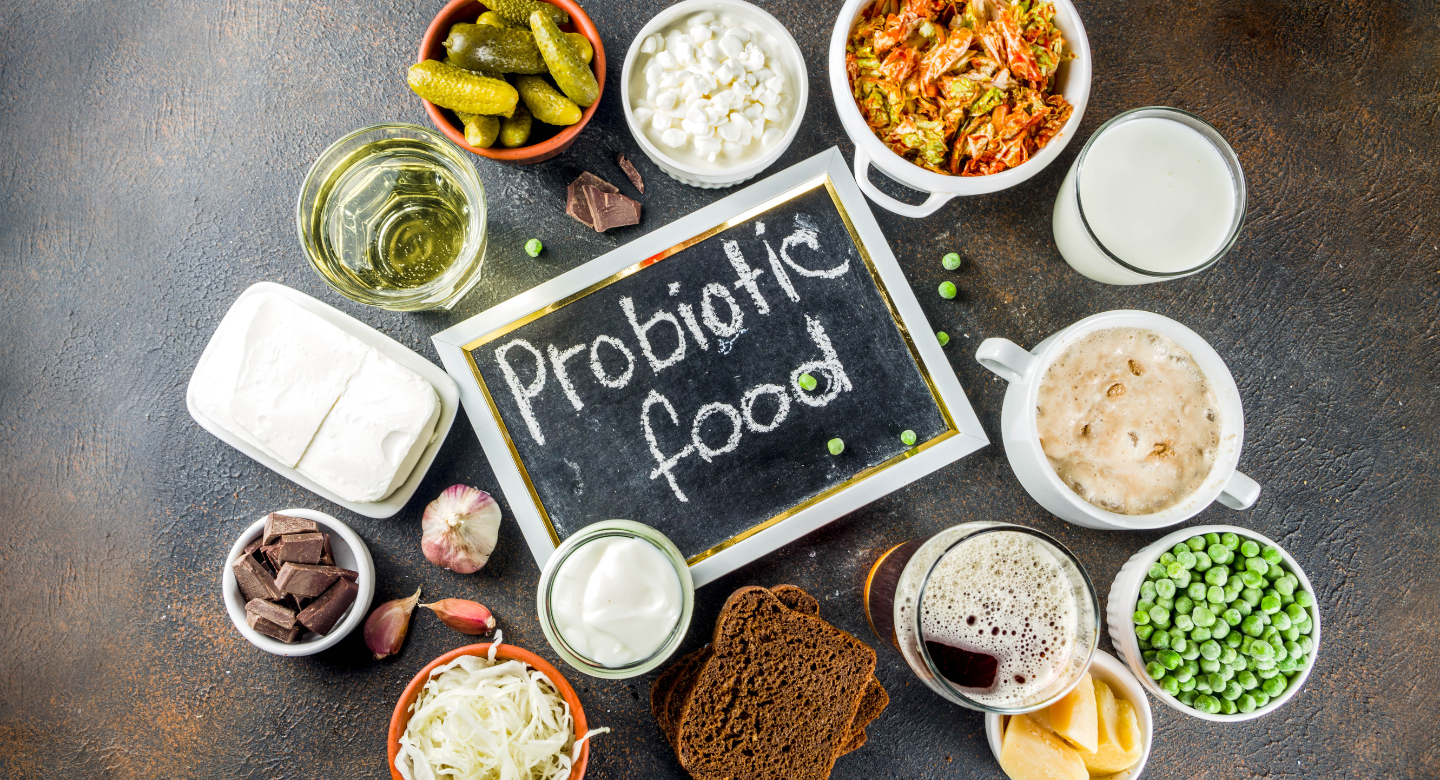
Fermented foods for trekking contain billions of live beneficial bacteria that replenish your depleted gut microbiome. These probiotics compete with harmful bacteria preventing infections and restoring healthy digestive balance quickly. Regular consumption maintains diverse bacterial populations that improve digestion, nutrient absorption, and immune function. The live cultures adapt to your gut environment providing ongoing benefits throughout your trek.
B. Easier to Digest
Fermentation is essentially pre-digestion—microbes break down complex proteins, carbohydrates, and fats before you eat them. This makes fermented foods much lighter on your already compromised digestive system at altitude. Your body expends less energy and oxygen digesting these foods allowing resources for other critical functions. This efficiency becomes crucial when every calorie and breath counts during demanding high-altitude treks.
C. Boost Immunity
About 70% of your immune system resides in your gut making gut health critical for overall immunity. The beneficial bacteria in fermented foods strengthen immune responses protecting you from illnesses in harsh conditions. Cold, windy Himalayan environments stress your immune system—probiotics provide crucial support preventing sickness during treks. Maintaining gut health at altitude through fermented foods reduces vulnerability to common trek-related illnesses significantly.
D. Improve Metabolism and Energy
Healthy gut bacteria produce B vitamins, vitamin K, and short-chain fatty acids that boost energy metabolism. Better nutrient absorption from improved digestion means more available energy for trekking uphill through challenging terrain. Enhanced metabolism helps your body utilize limited food more efficiently when appetite is suppressed at altitude. The energy boost from optimal digestion can make the difference between struggling and thriving on treks.
E. Reduce Inflammation
Altitude induces systemic inflammation as your body struggles to adapt to reduced oxygen and physical stress. Probiotic-rich fermented foods produce anti-inflammatory compounds that reduce this whole-body inflammatory response naturally. Lower inflammation means less fatigue, better recovery, and improved altitude adaptation overall throughout your expedition. This anti-inflammatory effect supports multiple body systems simultaneously enhancing overall trekking performance and comfort.
Best Fermented Foods for Trekking (India + Himalayan Friendly)

1. Curd/Yogurt
Benefits: Rich in probiotics, soothes stomach irritation, provides easily digestible protein and calcium essential for trekkers. The creamy texture makes it palatable even when appetite is poor at altitude helping maintain nutrition.
Trekking Tips: Carry hung curd (strained yogurt) in insulated containers keeping it fresh for 1-2 days. Yogurt powder or freeze-dried yogurt cultures work for longer expeditions needing lightweight, shelf-stable options. Mix with water at camp for fresh probiotic drink supporting gut health at altitude throughout treks.
2. Buttermilk (Chaach)
Benefits: Hydrating, cooling, and packed with probiotics making it perfect for dual hydration and gut support. The liquid form eases consumption when solid food feels too heavy or unappealing during treks.
Trekking Tips: Best for warmer treks in Meghalaya, Sikkim lower altitudes, or pre-monsoon seasons when temperatures permit. Carry as dried buttermilk powder mixing with water for instant probiotic refreshment along trails. Add salt and cumin for electrolyte boost combining hydration with digestive support effectively.
3. Pickles (Achaar)
Benefits: Fermented varieties like bamboo shoot pickle, lemon pickle provide electrolytes, digestive enzymes, and flavor stimulating appetite. The tangy, spicy taste makes bland trek food more palatable encouraging adequate calorie consumption.
Trekking Tips: Small airtight containers prevent leakage and preserve freshness throughout multi-day expeditions in variable conditions. Choose oil-free or minimal oil pickles to reduce heaviness and improve digestibility at altitude. A spoonful with meals dramatically improves appetite and digestion when everything else tastes bland.
4. Fermented Bamboo Shoot (Northeast India Specialty)
Benefits: Rich in fiber, probiotics, and unique to northeastern cultures making it authentic regional food. High fiber content promotes regular bowel movements preventing common altitude-related constipation problems significantly.
Trekking Tips: Widely available and used in Arunachal Pradesh, Nagaland, Sikkim, and Meghalaya traditional cuisines. Lightweight when dried, easy to rehydrate at camp, adds unique flavor to otherwise monotonous trek meals. Supports gut health at altitude while connecting you to local food traditions and cultures beautifully.
5. Gundruk (Fermented Leafy Greens – Nepal & Sikkim)
Benefits: High in minerals, probiotics, extremely lightweight when dried making it ideal backpacking food. The fermentation process preserves nutrients that fresh vegetables would lose making it nutritionally superior for treks.
Trekking Tips: Rehydrate in soups or dals adding nutrition and probiotic benefits to simple meals easily. Widely available in Sikkim, Darjeeling, and Nepal making it accessible for Himalayan treks specifically. Carries virtually no weight but provides significant nutritional and digestive benefits throughout expeditions continuously.
6. Kimchi / Sauerkraut (for Modern Trekkers)
Benefits: Internationally recognized fermented foods rich in probiotics, vitamins, and fiber supporting complete digestive health. The tangy, crunchy texture provides variety breaking monotony of typical bland high-altitude trek foods.
Trekking Tips: Carry in small airtight pouches or vacuum-sealed bags maintaining freshness for several days easily. Available in urban markets and can be homemade before treks ensuring quality and customization. These fermented foods for trekking bridge traditional and modern nutritional approaches effectively for diverse trekkers.
7. Idli/Dosa Batter (Fermented Rice & Lentils)
Benefits: Light, carb-rich, protein-packed, and extremely easy to digest even with suppressed appetite at altitude. The fermentation breaks down complex starches making energy immediately available without digestive burden or heaviness.
Trekking Tips: Perfect for pre-trek meals building gut health before ascending to challenging elevations systematically. Some trekkers carry fermented batter making fresh idlis at base camps with portable steamers or pressure cookers. Provides familiar comfort food for South Indian trekkers maintaining cultural food connections during challenging expeditions.
8. Kombucha (Optional)
Benefits: Probiotic drink with diverse bacterial strains supporting comprehensive gut microbiome diversity and health. The slight fizz and flavor make hydration more appealing when plain water becomes boring.
Trekking Tips: Harder to carry at altitude due to liquid weight and carbonation expansion at elevation. Best consumed before treks or at lower base camps rather than carrying to high altitudes. Commercial varieties available in urban areas or brew your own before expeditions for freshness.
9. Kefir (for Long Expeditions)
Benefits: Extremely high probiotic content with multiple bacterial and yeast strains unmatched by most other ferments. Superior gut health benefits making it ideal for extended treks lasting weeks or longer durations.
Trekking Tips: Carry as dried starter culture rehydrating in milk at camps for fresh kefir daily. Lightweight, shelf-stable, and provides ongoing probiotic supply throughout long Himalayan expeditions effectively. Advanced trekkers and expedition leaders often use kefir for sustained gut health at altitude maintenance.
Region-Specific Fermented Foods in the Himalayas
Sikkim: Kinema and Gundruk
Kinema: Fermented soybean preparation similar to Japanese natto rich in protein and beneficial bacteria. Traditional Sikkimese food providing complete nutrition for mountain communities for generations historically.
Gundruk: Fermented leafy greens (mustard, radish leaves) forming the base of nutritious, gut-friendly soups. Available dried in local markets throughout Sikkim making it accessible and authentic regional food.
Ladakh: Tingmo and Fermented Side Dishes
Tingmo: Steamed fermented bread similar to Tibetan momo dough but lighter and softer textured. Easy to digest, provides carbohydrates, and pairs well with various curries and chutneys.
Local fermented chutneys and pickles accompany meals adding probiotics and flavor to otherwise simple cuisine.
Arunachal Pradesh: Pek Kimchi and Ekhung
Pek Kimchi: Local version of kimchi using indigenous vegetables fermented with traditional methods and spices. Extremely spicy and tangy stimulating appetite even at high altitudes effectively.
Ekhung: Fermented bamboo shoot pickle essential in tribal cuisines providing probiotics and preserving vegetables seasonally.
Uttarakhand: Bhaang ki Chutney and Jhoi
Bhaang ki Chutney: Fermented hemp seed chutney (non-intoxicating) rich in nutrients and omega fatty acids. Traditional pahadi food providing energy and supporting digestive issues at high altitude prevention naturally.
Jhoi: Fermented dish made from local grains and vegetables traditional to Garhwali cuisine specifically. Rarely found outside homes but represents authentic mountain food wisdom passed through generations.
Himachal Pradesh: Siddu and Traditional Ferments
Siddu: Fermented wheat bread stuffed with various fillings steamed to perfection in traditional methods. Provides carbohydrates and probiotics in one comforting package perfect for cold mountain evenings.
Chhang: Traditional millet beer culturally significant but should be avoided during treks due to alcohol’s negative effects. Mention for cultural context but not recommended as best foods for high altitude trekking due to risks.
How to Incorporate Fermented Foods During a Trek
Morning Routine
Start with yogurt or buttermilk providing probiotics on an empty stomach for maximum bacterial colonization. Idlis made from fermented batter offer light, energizing breakfast easy on still-waking digestive systems. These morning probiotics set positive tone for gut health at altitude throughout the entire day.
Lunch Break
Add gundruk soup or fermented bamboo shoot curry providing midday probiotic boost and nutrition. Pickles accompanying main meals stimulate appetite and enhance flavor making you eat adequately for energy. The combination of warm food and probiotics supports digestion during the most active trekking hours.
Snack Time
Homemade fermented millet bars or dried fermented fruits provide portable probiotic snacks between meals. These prevent energy dips while continuously supporting gut health throughout active trekking hours consistently.
Dinner
Light meals paired with fermented chutneys or pickles aid evening digestion preventing nighttime discomfort. Avoid heavy fermented foods before bed—stick to small amounts enhancing rather than overwhelming digestion.
Practical Packing Tips
Pack small, airtight, leak-proof containers preventing spills and maintaining freshness throughout treks effectively. Vacuum-sealed pouches work excellently for pickles, kimchi, and dried fermented foods minimizing weight and volume. Label containers clearly avoiding confusion and ensuring you consume items in proper order maintaining freshness. Insulated bags keep temperature-sensitive items like yogurt fresh for initial trek days before switching to shelf-stable options.
What to Avoid for Better Gut Health at Altitude
Excess Caffeine
Too much caffeine acts as a diuretic worsening dehydration and irritating your already stressed digestive system. Limit to 1-2 cups daily focusing on hydration through water and herbal teas instead primarily. Caffeine’s stimulant effects can also worsen altitude-induced anxiety and sleep problems compounding overall discomfort.
Too Much Packaged Food
Processed foods lack fiber, probiotics, and nutrients your gut needs to function optimally at altitude. Excessive preservatives, artificial ingredients, and sodium disrupt gut microbiome balance causing various digestive issues. Balance convenience foods with fresh, fermented, and whole food options whenever possible maintaining gut health.
Carbonated Drinks
Gas expands at altitude making carbonated beverages cause extreme bloating and discomfort exponentially worse. The additional pressure on your digestive system from trapped gas is uncomfortable and entirely avoidable. Stick to flat beverages supporting rather than challenging your compromised gut health at altitude systematically.
Sugar-Heavy Items
Excessive sugar feeds harmful bacteria creating dysbiosis and potential digestive distress during treks unnecessarily. Sugar spikes and crashes also affect energy levels making sustained trekking performance inconsistent and difficult. Choose natural sugars from fruits over processed candies supporting stable energy and gut health simultaneously.
Eating Too Fast
Rushed eating prevents proper chewing leading to larger food particles challenging your oxygen-deprived digestive system. Take time to chew thoroughly despite cold conditions and tiredness supporting optimal digestion always. Mindful eating also helps you recognize satiety preventing overeating that causes discomfort at altitude.
Alcohol
Alcohol weakens digestion, worsens dehydration, and significantly exacerbates altitude sickness symptoms dangerously and predictably. It provides empty calories without nutrition your body desperately needs for altitude adaptation and recovery. Completely avoid alcohol during treks prioritizing best foods for high altitude trekking instead for optimal performance.
Bonus: Homemade Portable Fermented Foods for Trekkers
DIY Gundruk Powder
Dry homemade gundruk completely then grind into fine powder reducing weight and volume dramatically. Rehydrate in hot water or add to soups instantly boosting probiotic content of any meal. This lightweight option provides maximum gut health benefits with minimal carrying burden throughout expeditions.
Dried Pickle Bars
Blend fermented pickles with seeds, nuts, and spices then dehydrate into portable energy bars. These combine probiotics with sustained energy in convenient, lightweight format perfect for trail snacking. Homemade versions allow customization for taste preferences and dietary restrictions ensuring everyone benefits.
Yogurt Sachets
Dehydrate yogurt into leather or powder form then package in small sachets for easy carrying. Rehydrate with water at camp providing fresh probiotic drink supporting fermented foods for trekking principles effectively. Commercial freeze-dried yogurt options also available if homemade preparation isn’t feasible before treks.
Homemade Millet-Lacto Snacks
Ferment millet flour with beneficial bacteria then shape and dehydrate into portable snack bars. These traditional preparations provide carbohydrates, probiotics, and sustained energy all in lightweight, compact format. Ancient wisdom meets modern trekking needs through these innovative fermented snack preparations perfectly.
Hydration + Fermented Foods = Perfect Combo
Adequate hydration is absolutely crucial for gut health at altitude and fermented food effectiveness simultaneously. Water helps beneficial bacteria colonize your gut, supports fermentation processes, and aids nutrient absorption comprehensively. Electrolyte-rich fluids like buttermilk combine hydration with probiotic benefits creating synergistic gut health support.
Dehydration creates thick digestive fluids preventing probiotics from moving through your system effectively and efficiently. Aim for 3-4 liters daily even when thirst signals are suppressed ensuring optimal conditions for digestion. The combination of proper hydration and fermented foods for trekking creates ideal conditions for maintaining gut health throughout expeditions.
Herbal teas, clear soups, and fermented beverages all contribute to hydration while providing additional digestive benefits. Don’t rely solely on plain water—vary your fluid sources incorporating probiotic-rich options whenever possible naturally. This holistic approach to hydration supports every aspect of gut health at altitude comprehensively and effectively.
When Poor Gut Health Signals Something Serious
Distinguishing Indigestion from Altitude Sickness
Simple digestive issues at high altitude improve with rest, hydration, and dietary adjustments showing gradual improvement. Altitude sickness (AMS) presents with persistent headache, nausea, extreme fatigue, and dizziness not improving with typical measures. If digestive problems accompany worsening headache or confusion, you may be experiencing AMS requiring immediate attention.
Warning Signs Requiring Descent
Inability to keep food or water down for 24+ hours leading to severe dehydration and weakness. Extreme bloating with severe abdominal pain could indicate dangerous conditions like bowel obstruction or ischemia. Blood in stool or vomit, severe cramping, or fever all require immediate descent and medical evaluation. These symptoms transcend normal digestive issues at high altitude indicating potentially life-threatening conditions requiring urgent care.
When to Seek Help
Any digestive problem worsening despite proper food choices, hydration, and rest deserves medical attention immediately. If you’re unable to maintain adequate nutrition and hydration due to digestive issues, inform your guide. Don’t tough it out—serious digestive problems at altitude can escalate rapidly requiring professional medical intervention. Your trek can be rescheduled but health consequences from ignoring warning signs may be permanent.
A Healthy Gut = A Strong Trekker
Gut health at altitude profoundly influences your energy levels, mood, sleep quality, and overall altitude adaptation. A well-functioning digestive system ensures you can absorb nutrients, maintain hydration, and sustain energy for challenging treks. Fermented foods for trekking provide natural, powerful support for your compromised digestive system at high elevations. From traditional gundruk to modern kimchi, these probiotic-rich foods offer solutions rooted in both science and culture.
Include fermented foods in your trek preparation, packing, and daily meals maintaining gut health throughout expeditions. The small effort of carrying these foods yields enormous benefits in comfort, performance, and overall enjoyment. Remember that best foods for high altitude trekking support rather than challenge your already stressed body.
Fuel your trek the right way—support your gut, and the mountains will support you.
Explore More Blog
Sleep Quality at Altitude: Why You Can’t Sleep Well While Trekking
How to Deal with Muscle Cramps and Fatigue While Trekking
Frequently Asked Questions (FAQs) for Gut Health at Altitude
Why does my stomach feel upset during high-altitude treks?
Reduced oxygen, dehydration, stress hormones, and dietary changes disrupt your gut’s bacterial balance and function. Your digestive system needs oxygen to work properly—at altitude it receives less oxygen. Combined with dehydration and processed foods, this creates the perfect storm for digestive discomfort. Fermented foods help restore balance naturally.
What are the best fermented foods to carry while trekking?
Yogurt powder, dried gundruk, pickles in airtight containers, and kimchi pouches are ideal options. These fermented foods for trekking are lightweight, shelf-stable, and easy to incorporate into meals. Choose based on personal taste, cultural familiarity, and trek duration ensuring you’ll actually consume them.
Can fermented foods prevent altitude sickness?
Fermented foods support overall health and adaptation but don’t directly prevent altitude sickness (AMS). Good gut health at altitude helps you maintain nutrition, hydration, and energy improving overall resilience. Proper acclimatization, hydration, and gradual ascent remain primary AMS prevention strategies always.
How much fermented food should I eat daily while trekking?
Include 1-2 servings of fermented foods daily—a cup of yogurt, spoonful of pickle, or bowl of gundruk soup. Don’t overdo it as too much can cause digestive upset especially if you’re not accustomed. Start with small amounts letting your body adjust to these best foods for high altitude trekking gradually.
Are fermented foods safe at high altitude?
Yes, properly prepared fermented foods are safe and beneficial at altitude supporting digestive health naturally. The beneficial bacteria in these foods actually survive better than harmful pathogens in harsh conditions. Ensure proper storage in airtight containers preventing contamination maintaining safety throughout treks.
What if I’m lactose intolerant—can I still have yogurt?
Fermented dairy contains less lactose as bacteria consume it during fermentation making it more digestible. Many lactose-intolerant people tolerate yogurt and kefir well without issues experienced with regular milk. Alternatively, choose non-dairy fermented options like kimchi, gundruk, or fermented bamboo shoots effectively.
Can I make fermented foods during a trek?
Short fermentation like overnight yogurt from powder is possible at base camps with proper temperatures. However, most fermented foods require days to weeks and controlled conditions impractical during active treks. Prepare or purchase fermented foods before treks carrying them in appropriate containers for convenience.
Do fermented foods help with constipation at altitude?
Yes, the probiotics and enzymes in fermented foods promote regular bowel movements preventing altitude-related constipation. Combined with adequate hydration and fiber, fermented foods for trekking significantly improve digestive regularity naturally. The fiber in options like gundruk and fermented bamboo shoots particularly helps with constipation issues.