

Discover ancient Himalayan monasteries on spiritual treks. Explore Buddhist heritage in India’s most breathtaking mountain trails and sacred spaces.
Himalayan monasteries offer a unique blend of adventure and spirituality for travelers. These sacred spaces sit peacefully among snow-capped peaks and winding mountain trails. Trekking in the Himalayas gives you more than just stunning views and physical challenges. It opens doors to ancient wisdom, peaceful meditation halls, and centuries-old traditions. Buddhist monasteries in India are scattered across remote valleys and high-altitude passes. They invite trekkers to pause, reflect, and connect with something deeper. This journey combines the thrill of mountain exploration with the serenity of spiritual discovery.
The Significance of Monasteries in the Himalayas
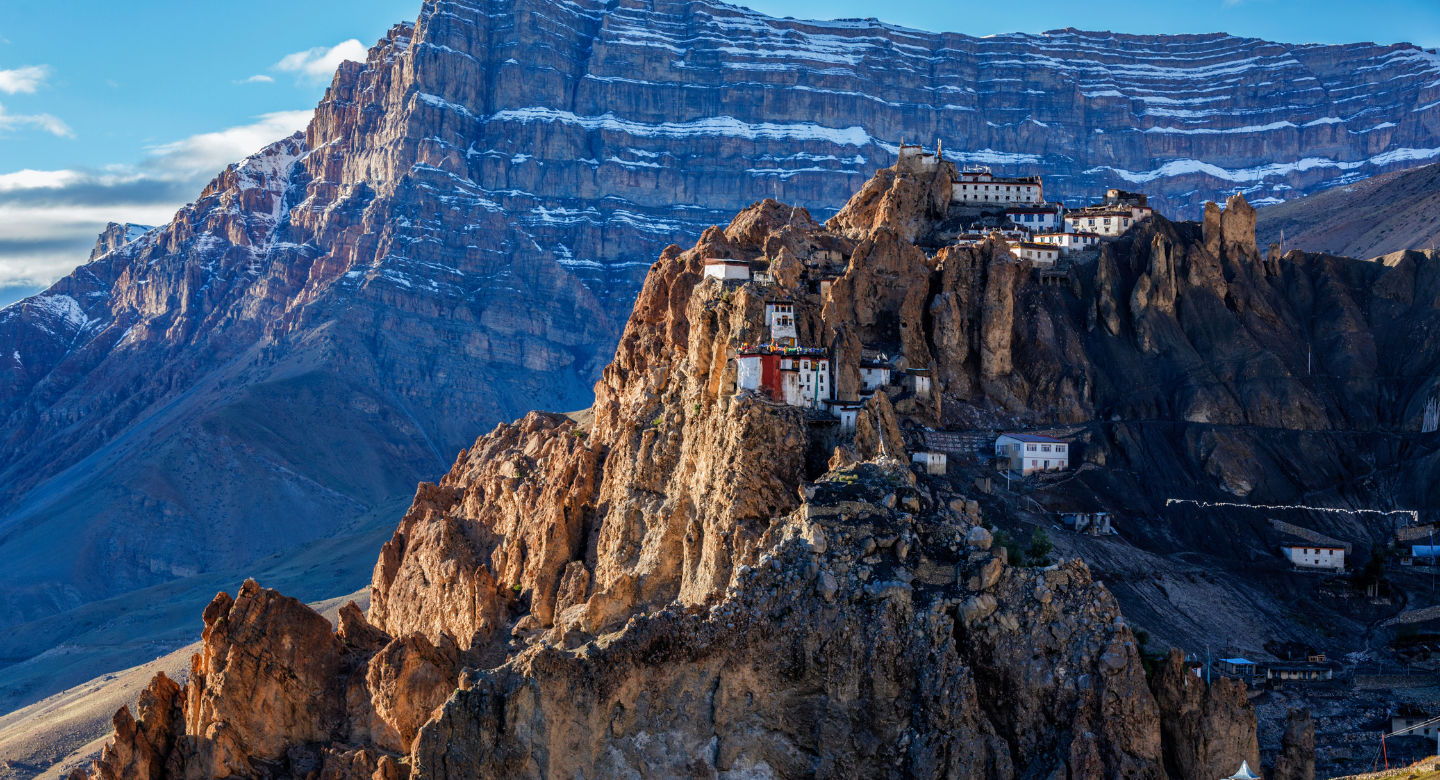
Himalayan monasteries serve as centers of meditation, learning, and cultural preservation. For centuries, these sacred institutions have protected Tibetan Buddhist teachings and practices. They stand as living museums where monks continue ancient traditions passed down through generations.
Tibetan Buddhism has deeply influenced regions like Ladakh, Spiti, Sikkim, and Arunachal Pradesh. These monasteries aren’t just religious buildings—they’re repositories of art, philosophy, and wisdom. Intricate murals, ancient scriptures, and sacred artifacts fill their prayer halls and libraries.
Visiting monasteries during monastery treks in the Himalayas adds profound meaning to your journey. You’ll witness morning prayers where chanting fills the air with spiritual energy. The peaceful atmosphere offers respite from demanding trails and challenging altitudes. Many trekkers find these stops become the most memorable parts of their adventures.
Best Himalayan Monasteries to Visit While Trekking
1. Key Monastery (Spiti Valley, Himachal Pradesh)
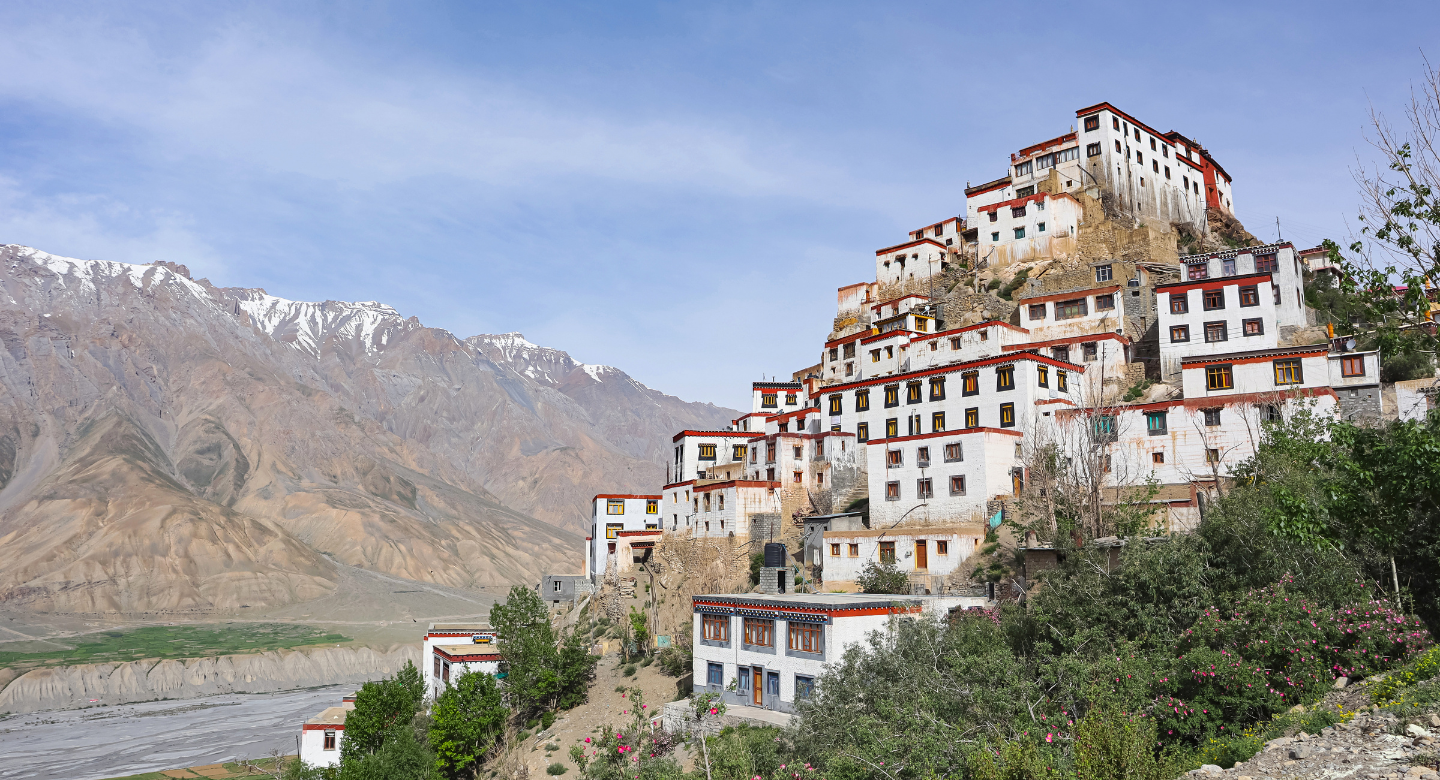
Key Monastery sits dramatically at 4,166 meters near Kaza in Spiti Valley. This fortress-like structure is over 1,000 years old and houses around 300 monks. The monastery is famous for its ancient murals, rare Tibetan scriptures, and breathtaking panoramic views.
Trek Route: Spiti Valley Trek or the Kibber–Langza–Komic Trail passes near this monastery. The surrounding landscape features barren mountains and traditional villages that seem frozen in time.
Travel Tip: Arrive early to attend morning prayers with the monks. The collective chanting creates an unforgettable spiritual atmosphere that resonates through the halls.
2. Tabo Monastery (Spiti Valley, Himachal Pradesh)
Tabo Monastery is often called the “Ajanta of the Himalayas” for good reason. Founded in 996 CE, this monastery is over 1,000 years old. It’s a UNESCO heritage site candidate with stunning ancient frescoes and intricate mud sculptures.
The monastery complex includes nine temples, 23 chortens, and monk chambers. Its artwork represents some of the finest examples of Buddhist art in the Indian subcontinent.
Trek Route: The Pin Valley National Park trek provides access to this spiritual gem. The valley is also home to rare wildlife like snow leopards and ibex.
3. Hemis Monastery (Ladakh)
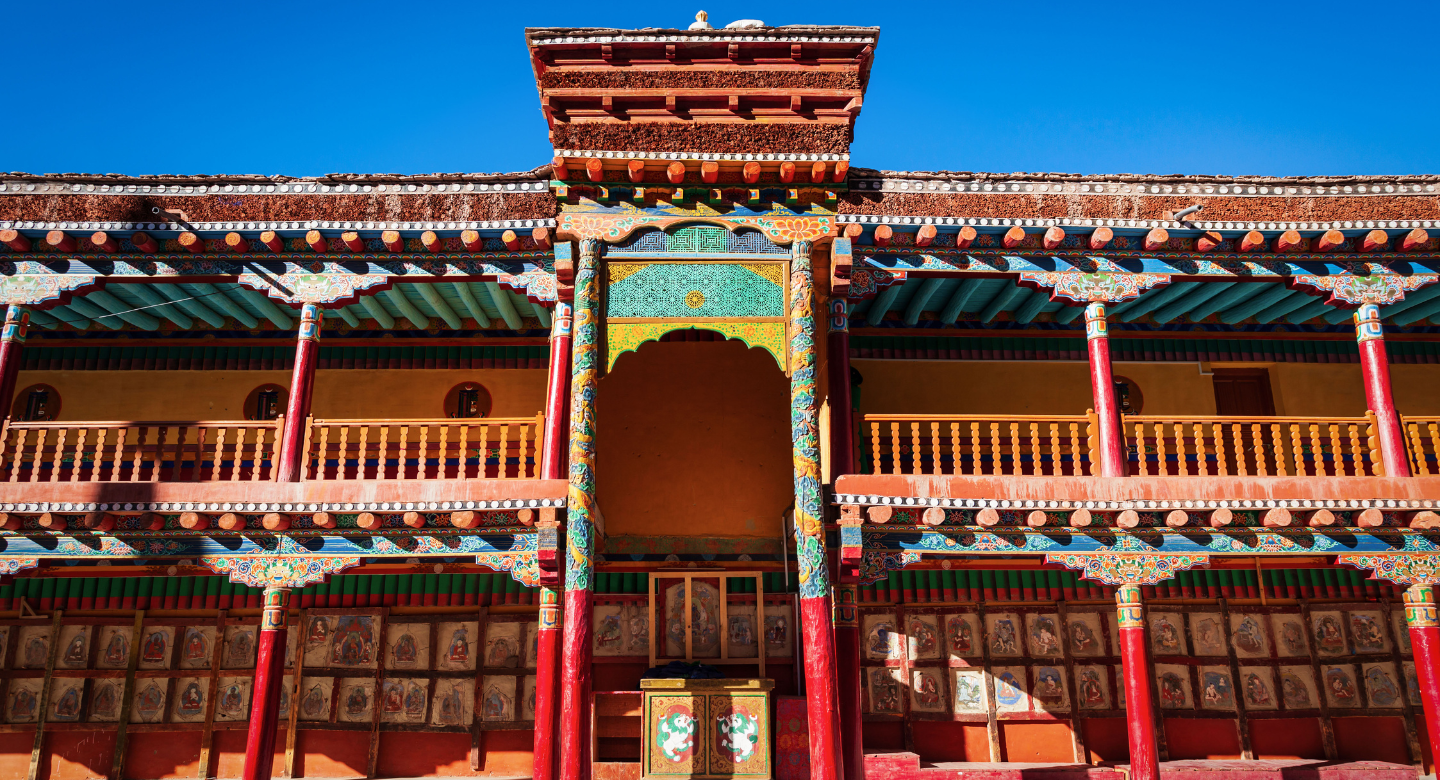
Hemis Monastery stands as the largest and richest monastery in Ladakh. Hidden in a gorge on the Indus River’s west bank, it houses impressive collections of ancient artifacts. Gold statues, stupas, and thangkas (Buddhist paintings) adorn its prayer halls.
The famous Hemis Festival happens every June, celebrating Guru Padmasambhava’s birth. Masked dances, colorful costumes, and spiritual performances attract visitors from worldwide.
Trek Route: The Markha Valley Trek passes through this region, offering spectacular views and cultural experiences. This moderate trek combines natural beauty with Buddhist heritage seamlessly.
4. Thiksey Monastery (Ladakh)
Thiksey Monastery’s architecture resembles Tibet’s famous Potala Palace in miniature. Perched on a hilltop, it provides commanding views of the Indus Valley below. The 12-story complex houses 10 temples and numerous stupas.
A massive 15-meter Maitreya Buddha statue dominates the main temple hall. This impressive sculpture was consecrated by the Dalai Lama himself in 1980.
Trek Route: Located on the Leh-Manali highway, it’s a convenient stopover for trekkers exploring the region. Many spiritual treks in India include this monastery on their itinerary.
5. Lamayuru Monastery (Ladakh)
Lamayuru Monastery is known as the “Moonland Monastery” for its surreal surroundings. The lunar-like landscape creates an otherworldly atmosphere unlike anywhere else. Founded in the 10th century, it’s one of Ladakh’s oldest monasteries.
The monastery sits at 3,510 meters and offers stunning sunset and sunrise views. Eroded hills and rocky formations surround it, creating spectacular photography opportunities.
Trek Route: The Lamayuru to Padum (Zanskar) Trek is considered one of the best monastery treks in the Himalayas. This challenging route takes you through remote villages and pristine mountain landscapes.
6. Rumtek Monastery (Sikkim)
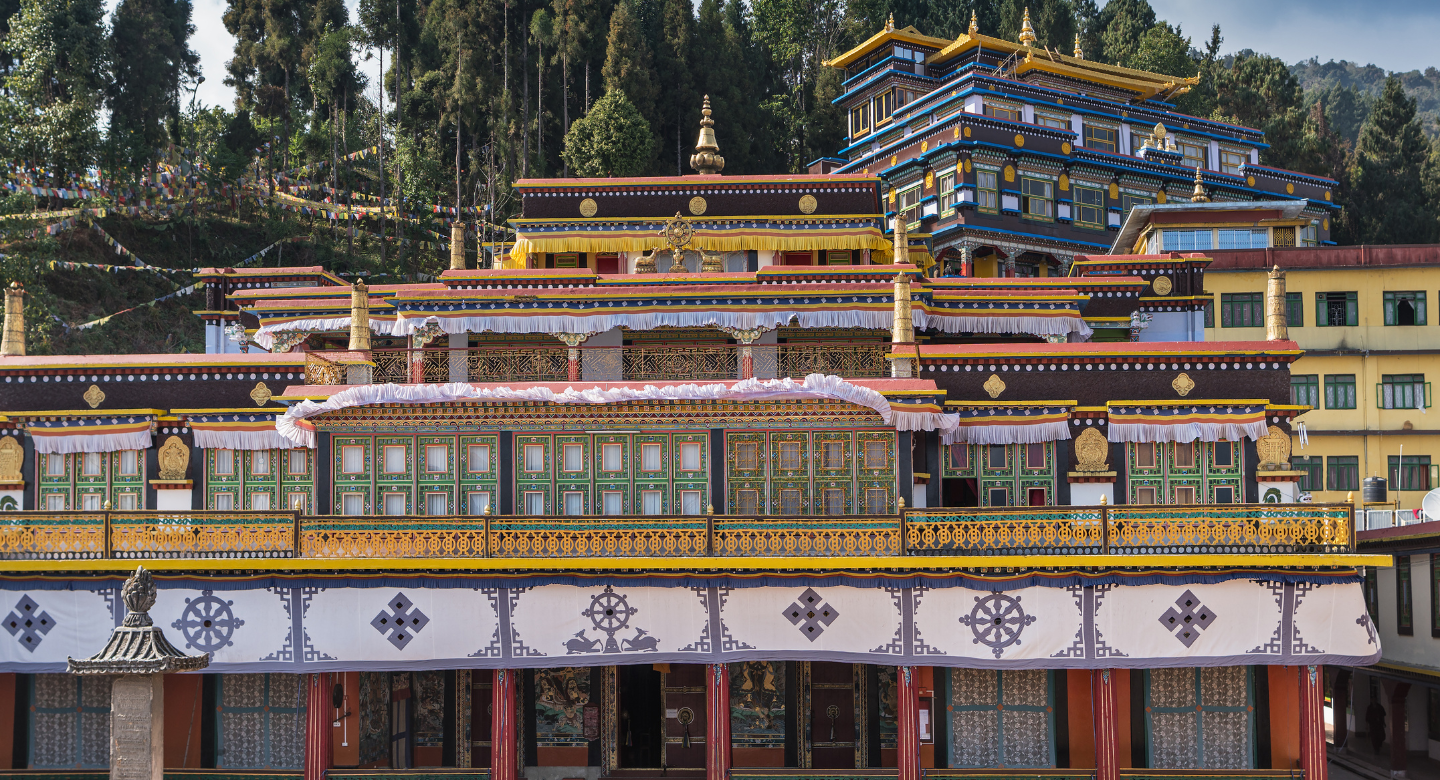
Rumtek Monastery serves as the seat of the Karmapa lineage of Tibetan Buddhism. Built in the 1960s, it replicates the original monastery destroyed in Tibet. The vibrant murals, golden stupas, and spiritual energy make it exceptionally powerful.
The monastery houses rare Buddhist texts, sacred objects, and precious religious artifacts. Its elevated position offers panoramic views of Gangtok and surrounding valleys.
Trek Route: The Dzongri-Goechala Trek and routes from Yuksom pass through this area. These spiritual treks in India combine mountain vistas with Buddhist cultural immersion.
7. Tawang Monastery (Arunachal Pradesh)
Tawang Monastery ranks as the second-largest monastery in the world. Founded in 1680, it houses approximately 450 monks in its three-story complex. The monastery sits at 3,000 meters with magnificent views of the Tawang Valley.
This sacred site has deep historical significance—the 6th Dalai Lama was born here. The library contains valuable ancient scriptures, manuscripts, and thangkas spanning centuries.
Trek Route: Various trails around Tawang region and Bum La Pass offer access. Note that visitors require an Inner Line Permit (ILP) to visit Arunachal Pradesh.
8. Phugtal Monastery (Zanskar Valley)
Phugtal Monastery stands as one of the most isolated Buddhist monasteries in India. Built into a cliffside cave, it’s accessible only by trekking—no roads reach this remote sanctuary. The monastery seems to grow organically from the mountainside itself.
Founded in the 12th century, Phugtal houses about 70 monks who maintain ancient traditions. The cliff-hanging structure provides dramatic views of the Lungnak River gorge below.
Trek Route: The Phugtal Monastery Trek or Zanskar Valley route requires good fitness levels. This challenging journey rewards trekkers with unmatched isolation and spiritual tranquility.
How Visiting Monasteries Enhances Your Trekking Experience
Incorporating Himalayan monasteries into your trek transforms it from physical challenge to holistic journey. The spiritual dimension adds depth that pure adventure cannot provide alone.
Cultural Immersion: You’ll engage directly with living Buddhist traditions and practices. Conversations with monks offer insights into philosophy, meditation, and mindful living.
Peaceful Stopovers: After strenuous hiking, monasteries provide calm spaces for rest and reflection. The serene atmosphere helps with mental recovery and altitude acclimatization.
Unique Hospitality: Many monasteries offer basic accommodation and simple meals to travelers. This authentic experience connects you with local communities and their generous spirit.
Meditation Opportunities: Some monasteries welcome visitors to join meditation sessions or prayer ceremonies. These experiences can be profoundly transformative and grounding.
Responsible Travel and Cultural Etiquette
Respecting monastery customs ensures meaningful experiences and preserves these sacred spaces for future generations.
Dress Modestly: Cover shoulders and knees when entering monastery premises. Remove shoes before entering prayer halls and sacred spaces.
Maintain Silence: Keep voices low and avoid loud conversations inside temples. Monasteries are places of meditation and prayer that require peaceful environments.
Photography Guidelines: Always ask permission before photographing monks, ceremonies, or sacred objects. Many areas prohibit photography entirely—respect these restrictions completely.
Donations: Consider making small donations to support monastery maintenance and monk welfare. These contributions help preserve Buddhist monasteries in India for future generations.
Ritual Respect: Don’t interrupt prayers or ceremonies, and walk clockwise around stupas. Observe before participating to understand appropriate behavior and customs.
Best Time to Visit Himalayan Monasteries
Timing your visit affects both accessibility and experience quality significantly.
Summer Season (May–October): Most Himalayan monasteries are accessible during these warmer months. Roads open, and trekking conditions become ideal for monastery treks in the Himalayas.
Festival Times:
- Hemis Festival (June/July): Ladakh’s most vibrant celebration with masked dances and ceremonies
- Losar (February/March): Tibetan New Year celebrated throughout Sikkim and Himalayan regions
- Tawang Festival (October): Showcases Monpa tribal culture and Buddhist traditions
Winter Considerations: Many high-altitude monasteries become inaccessible due to heavy snowfall. However, those reachable offer peaceful experiences with fewer tourists around.
Trekking Tips for Monastery Trails
Proper preparation ensures safe and enriching spiritual treks in India.
Permits and Documentation:
- Inner Line Permit (ILP) required for Arunachal Pradesh visits
- Protected Area Permits for foreign nationals visiting restricted areas
- Register with local authorities where required
Altitude Acclimatization:
- Spend adequate time adjusting to high elevations before strenuous trekking
- Ascend gradually and include rest days in your itinerary
- Stay hydrated and avoid alcohol consumption at high altitudes
Essential Gear:
- Warm layered clothing for unpredictable mountain weather
- Sturdy trekking boots with good ankle support
- Water bottles, purification tablets, and high-energy snacks
- First aid kit with altitude sickness medication
Local Guides: Hiring experienced local guides enriches your experience immeasurably. They provide cultural context, ensure safety, and support local economies directly.
Let’s Summarize
Trekking to Himalayan monasteries creates journeys that nourish both body and soul. These ancient sanctuaries offer more than architectural beauty or historical significance. They provide spaces for inner exploration amid outer adventure and challenge.
Buddhist monasteries in India stand as testaments to human spirituality and resilience. Each prayer flag fluttering in mountain winds carries intentions for peace and compassion. Every stone step leading to monastery gates connects you with countless pilgrims before you.
As you plan your next Himalayan adventure, consider including these spiritual gems. Walk mindfully, engage respectfully, and allow these sacred spaces to transform your journey.
Add a spiritual twist to your next Himalayan trek—walk the ancient trails and find peace in the monasteries among the clouds.
Explore More
How to Get Inner Line Permit for Arunachal Pradesh Treks
Managing Anxiety and Panic Attacks at High Altitudes: A Trekker’s Mental Health Guide
Frequently Asked Questions (FAQs) on Himalayan Monasteries You Can Visit While Trekking
Can foreigners visit all Himalayan monasteries?
Most Himalayan monasteries welcome foreign visitors with open arms. However, some restricted border areas require special permits like Protected Area Permits. Arunachal Pradesh requires an Inner Line Permit (ILP) for all visitors, including Indian citizens. Always check current regulations before planning your monastery treks in the Himalayas.
Do monasteries offer accommodation to trekkers?
Many monasteries provide basic accommodation for pilgrims and travelers on donation basis. Facilities are usually simple—shared rooms, common bathrooms, and vegetarian meals. Popular trekking route monasteries may have guesthouses nearby with slightly better amenities. Book ahead during peak season or festival times.
Are there entry fees for visiting monasteries?
Most monasteries don’t charge entry fees but welcome donations for maintenance and welfare. Some larger monasteries like Rumtek may have nominal photography fees if permitted. Donations directly support monks, preservation efforts, and community welfare programs.
Can I attend prayers or meditation sessions at monasteries?
Yes, most monasteries welcome respectful visitors to observe morning and evening prayers. Some even offer meditation sessions or teachings for interested travelers. Always ask permission first and maintain silence during ceremonies. This is one of the most enriching aspects of spiritual treks in India.
Which monasteries are easiest to reach for beginner trekkers?
Thiksey and Hemis monasteries in Ladakh are accessible by road with minimal walking. Rumtek Monastery in Sikkim requires only a short taxi ride from Gangtok. For those new to high altitudes, these provide gentle introductions to Buddhist monasteries in India. Start with these before attempting remote locations like Phugtal.
What should I pack specifically for monastery visits?
Bring modest clothing covering shoulders and knees, comfortable shoes you can remove easily, and a scarf for women. Pack a small flashlight for dimly lit prayer halls. Carry cash for donations as monasteries rarely accept cards. A respectful attitude and open heart matter most.
Is it safe for solo travelers to trek to remote monasteries?
Remote monastery treks carry inherent risks—altitude, weather, and isolation pose challenges. Solo trekkers should inform someone about their plans and carry emergency communication devices. Hiring guides significantly improves safety and enriches experiences. Many Himalayan monasteries are safe, but preparedness is essential.

[…] Himalayan Monasteries You Can Visit While Trekking […]
[…] Himalayan Monasteries You Can Visit While Trekking […]