

Discover river rafting in India with our complete guide covering top destinations, best seasons, safety tips, and everything you need for an epic adventure.
River rafting in India has become one of the most thrilling adventure sports for both locals and tourists. From the mighty rivers flowing through the Himalayas to the roaring streams of the Western Ghats, India offers incredible rafting opportunities. Whether you’re a first-timer seeking gentle rapids or an experienced rafter chasing adrenaline-pumping challenges, there’s something for everyone. The country’s diverse geography creates ideal conditions for white-water rafting across different seasons. This comprehensive guide will help you choose the best destinations, understand ideal seasons, and stay safe. Get ready to experience the rush of conquering India’s most spectacular river rapids.
What is River Rafting?
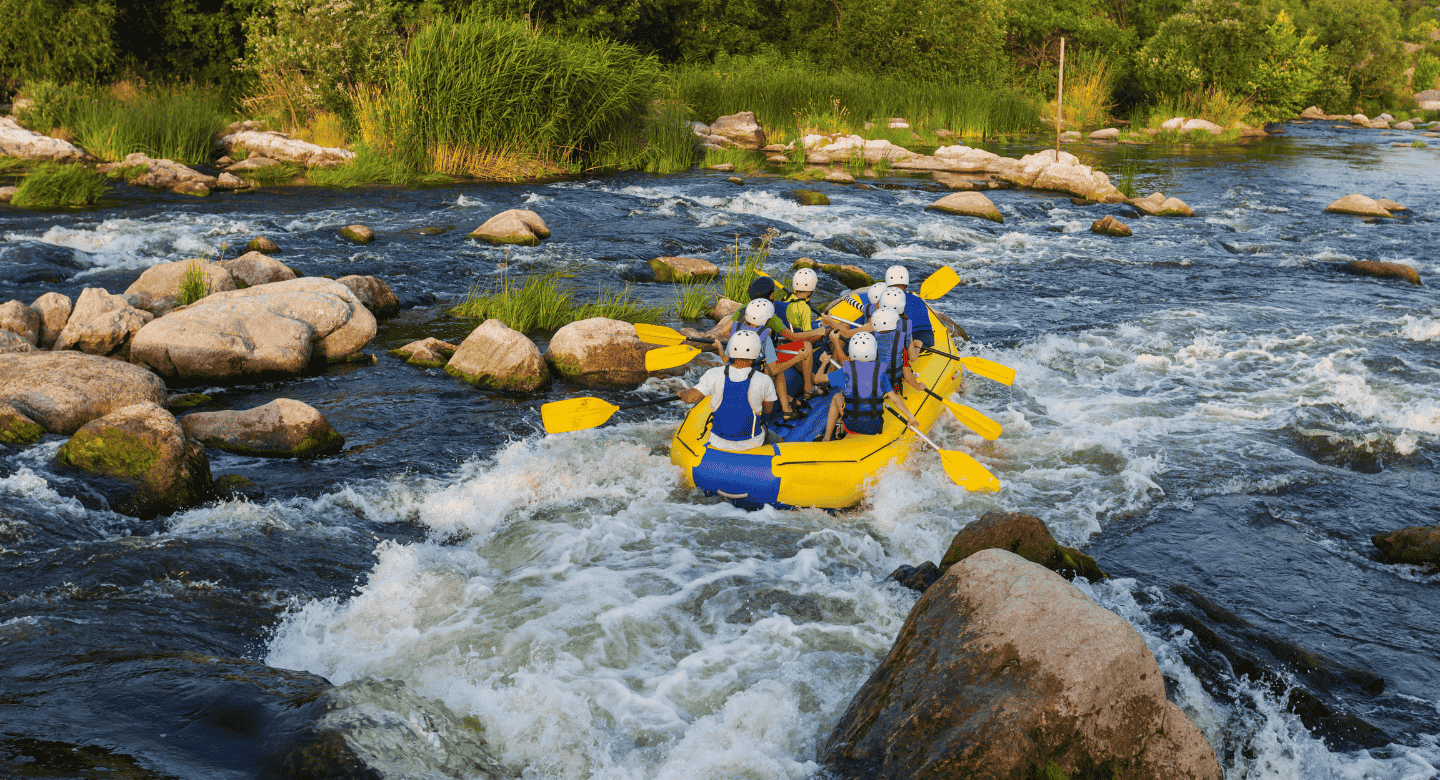
River rafting is an outdoor adventure sport where participants navigate through river rapids using inflatable rafts. It combines teamwork, physical effort, and the thrill of riding through turbulent waters. Rapids are graded from I to V based on difficulty and danger levels. Grade I rapids are gentle and suitable for complete beginners with minimal waves. Grade II and III rapids offer moderate challenges with some maneuvering required. Grade IV rapids are intense with powerful waves and require experienced rafters. Grade V rapids are extremely dangerous and only for expert rafters with proper training.
Different types of river adventures include traditional white water rafting in multi-person rafts. Kayaking involves single or double-person boats for more control and agility. Some destinations also offer river surfing or body rafting for experienced swimmers. Each style provides a unique way to experience India’s magnificent rivers. Understanding these categories helps you choose the right adventure for your skill level.
Best River Rafting Destinations in India
Rishikesh, Uttarakhand (Ganga River) – Most Popular Destination
Rishikesh is undoubtedly the rafting capital of India and perfect for all experience levels. The Ganga River here offers rapids ranging from Grade I to Grade IV. Popular stretches include the 9-kilometer Shivpuri route and the 16-kilometer Marine Drive section. The 26-kilometer long stretch from Kaudiyala provides the most challenging experience. Crystal-clear water, scenic landscapes, and well-established infrastructure make it ideal for beginners. Multiple certified operators ensure safety and provide comprehensive training before each expedition. The spiritual atmosphere of Rishikesh adds a unique dimension to the adventure experience.
Zanskar River, Ladakh – High-Adrenaline Cold Desert Rafting

Zanskar offers one of the most unique rafting experiences in the world through cold desert landscapes. This challenging route features Grade III to Grade V rapids requiring experience and courage. The journey typically spans 5-7 days covering approximately 100 kilometers of thrilling river action. Stunning gorges, ancient monasteries, and dramatic mountain scenery accompany you throughout the expedition. Temperatures can drop significantly, making proper gear absolutely essential for this adventure. This river rafting in India experience is not for the faint-hearted but rewards with unforgettable memories. Limited accessibility and extreme conditions make it a bucket-list destination for serious rafters.
Beas River, Manali (Himachal Pradesh) – Great for Beginners
The Beas River near Manali provides gentle to moderate rapids perfect for first-timers and families. Rapids range from Grade I to Grade III, offering excitement without overwhelming inexperienced rafters. Popular sections include Pirdi to Jhiri and Pirdi to Patlikuhal with scenic valley views. The rafting season here coincides with pleasant weather, making it comfortable for participants. Professional guides provide thorough safety briefings and remain attentive throughout the journey. The relatively short duration (1-2 hours) makes it accessible even for those with limited time. Combining rafting with Manali’s other attractions creates a perfect Himalayan holiday package.
Teesta River, Sikkim – Scenic and Thrilling
The Teesta River offers a perfect blend of natural beauty and challenging rapids through Sikkim’s landscapes. Rapids range from Grade II to Grade IV, depending on the chosen route and season. The river flows through dense forests, terraced fields, and traditional villages, creating picturesque backdrops. Popular stretches include Makha to Sirwani and Sirwani to Melli with varying difficulty levels. The journey provides glimpses of Sikkim’s rich biodiversity and cultural heritage along the way. Best river rafting destinations in India often include the Teesta for its unique Himalayan setting. Professional operators ensure safety while highlighting the region’s natural and cultural attractions.
Barapole River, Coorg (Karnataka) – Best in South India
Barapole River in Coorg offers the most thrilling white water rafting experience in South India. The river features challenging Grade III and Grade IV rapids requiring teamwork and courage. Dense coffee plantations and tropical forests surround the route, creating a distinctly different atmosphere. The 8-kilometer stretch takes approximately 2-3 hours to complete with multiple exciting rapids. This destination proves that river rafting in India isn’t limited to Himalayan regions alone. The Western Ghats provide equally exciting opportunities with warmer weather conditions. Coorg’s pleasant climate and additional tourist attractions make it an excellent vacation destination.
Brahmaputra River, Arunachal Pradesh – Ultimate Multi-Day Expedition
The Brahmaputra offers one of the most challenging and lengthy rafting expeditions in India. This multi-day adventure spans several days, covering vast distances through remote northeastern landscapes. Rapids range from Grade III to Grade IV with some extremely technical sections. The journey offers unparalleled wilderness experiences, far removed from typical tourist circuits. Participants witness diverse tribal cultures, rare wildlife, and pristine natural environments throughout the expedition. This adventure requires significant physical fitness, mental preparation, and previous rafting experience. Best river rafting destinations in India lists the Brahmaputra for those seeking ultimate adventure and exploration. Limited operators run these expeditions, making planning essential.
Best Time / Season for River Rafting in India

Understanding river rafting season in India is crucial for planning a safe and enjoyable experience. Different regions have varying optimal periods based on weather patterns and water flow.
Summer & Post-Monsoon: Peak Rafting Season (March–June & September–November)
March to June marks the prime rafting season across most Indian rivers with moderate water flow. The weather remains pleasant with clear skies and comfortable temperatures for outdoor activities. Rivers have sufficient water from melting snow but aren’t dangerously high yet. This period sees maximum tourist activity with all operators fully functional and accessible. From September to November follows the monsoon with rivers carrying good volume but stable flow. The post-monsoon period offers slightly cooler weather and fewer crowds than the summer months. These months provide the best balance of safety, weather, and water conditions across India.
Regional Breakdown for River Rafting Season in India
North India (Rishikesh, Manali): Best from March to June and September to November. Winter months see extremely cold temperatures and reduced water flow in some sections. Monsoon (July-August) brings unpredictable water levels, making rafting temporarily suspended or risky.
Northeast India (Sikkim, Arunachal Pradesh): Optimal from October to April with stable weather conditions. The river rafting season in India’s northeastern states avoids heavy monsoons that make rivers dangerous. Pre-monsoon months (March-May) also work well before the rains intensify significantly.
South India (Coorg): Best from June to September when monsoon rains fill the rivers adequately. Unlike northern regions, southern rivers depend heavily on monsoon water for sufficient flow. Post-monsoon months (October-November) also offer good conditions before water levels drop significantly.
Caution for Monsoon Rafting
Monsoon rafting requires extreme caution as rivers become unpredictable and potentially dangerous. Water levels rise rapidly, increasing rapid grades and reducing visibility significantly. Many operators suspend operations during the peak monsoon for safety reasons and government regulations. Only highly experienced rafters should consider monsoon rafting on specific approved stretches. Always check local conditions and heed operator advice regarding weather-related cancellations or postponements. River rafting safety tips always emphasize avoiding rafting during flash flood warnings or heavy rainfall.
Safety Tips for River Rafting
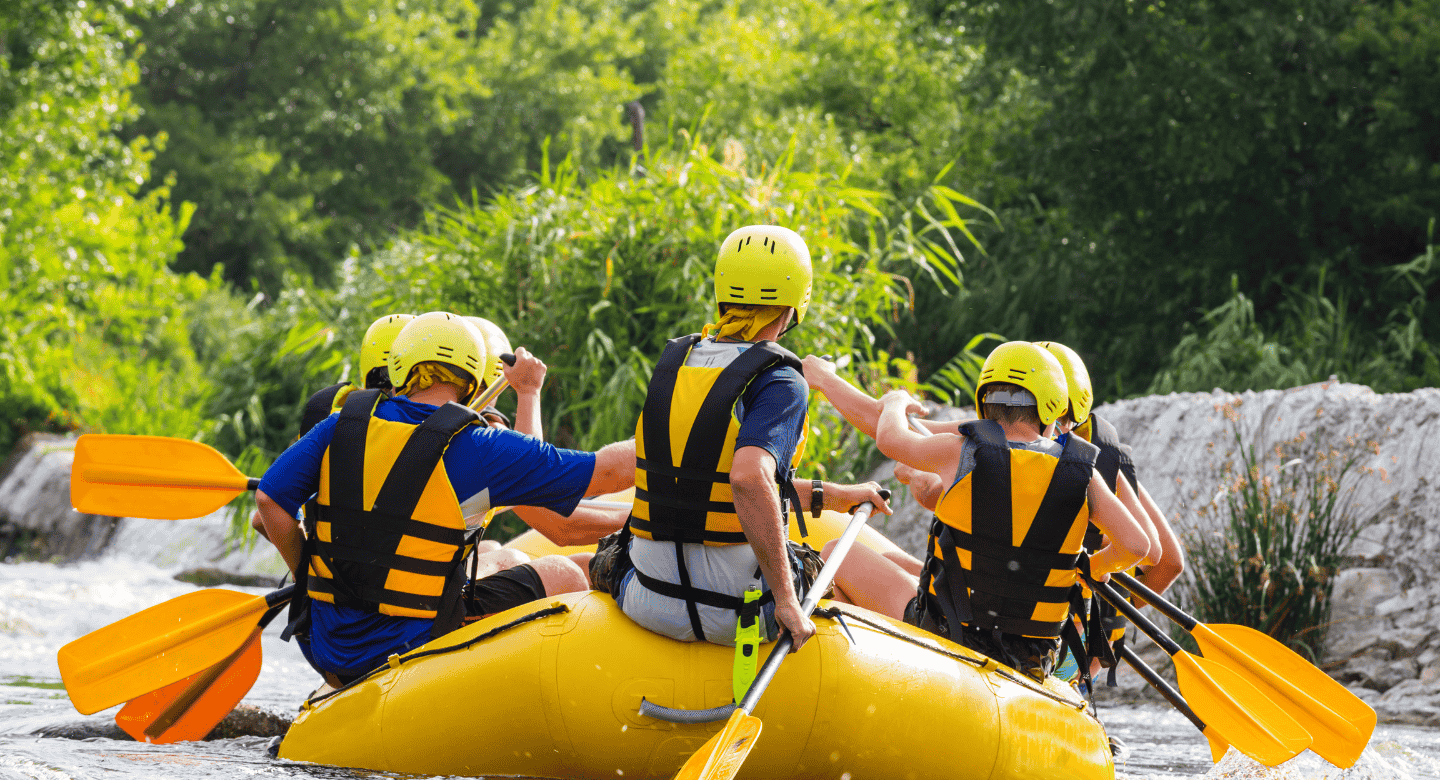
Safety should be your top priority when planning any river rafting adventure in India. Following these essential precautions ensures a thrilling yet secure experience on the water.
Always Choose Certified Rafting Operators
Verified operators follow strict safety protocols and maintain proper equipment standards. Check for certifications from recognized adventure sports associations and tourism boards. Read recent reviews and testimonials from previous customers about their safety experiences. Established operators employ trained guides with proper first aid and rescue skills. Don’t compromise on safety by choosing the cheapest option without proper credentials. Legitimate operators carry comprehensive insurance coverage for participants and follow legal regulations.
Mandatory Safety Gear: Never Compromise
- Helmet: Protects your head from rocks and accidental impacts during rapids. Always ensure the helmet fits properly and is securely fastened before entering water.
- Life jacket: Keeps you afloat in case of falling out of the raft. Life jackets must be properly sized and certified for white water rafting use.
- River shoes or sandals: Protect your feet from sharp rocks and provide grip on slippery surfaces. Avoid flip-flops or barefoot rafting, which increase injury risks significantly. Additional gear like paddles and throw ropes, is provided and maintained by operators.
Follow Guide Instructions Strictly
Your rafting guide has extensive experience and training in river navigation and rescue. Listen carefully during pre-rafting briefings about paddling techniques and safety procedures. Follow commands immediately during rapids as delays can cause serious accidents. Never argue with guides about routes or safety decisions during the expedition. Guides assess conditions in real-time and make decisions for everyone’s safety. River rafting safety tips emphasize that teamwork and following instructions are crucial for successful rafting.
Check Weather and Water Flow Forecast
Weather conditions dramatically affect river behavior and rafting safety throughout the season. Check forecasts at least 24-48 hours before your scheduled rafting date. Sudden storms upstream can cause flash floods even if your location has clear skies. Operators monitor water levels continuously and may cancel trips for safety reasons. Understand that cancellations, while disappointing, prioritize your safety over business interests. Plan flexible schedules allowing for weather-related postponements if possible during your trip.
Avoid Rafting Under Influence
Alcohol and drugs severely impair judgment, coordination, and reaction time during emergencies. Never consume intoxicating substances before or during rafting expeditions under any circumstances. Most reputable operators strictly prohibit and screen for substance use before trips. Rafting requires alertness and physical capability to respond quickly to commands and challenges. Your safety and that of fellow rafters depends on everyone being fully conscious and capable.
Fitness and Health Considerations
While you don’t need to be an athlete, basic fitness helps you enjoy and complete rafting safely. Inform operators about any heart conditions, recent surgeries, or chronic health issues beforehand. Pregnant women and individuals with severe back or joint problems should avoid rafting altogether. Children must meet minimum age requirements (usually 12+ for moderate rapids) as specified by operators. River rafting safety tips include honest self-assessment of your physical capabilities before booking. When in doubt, consult with operators about whether specific routes suit your fitness level.
Cost of River Rafting in India
Rafting costs vary significantly based on location, route length, season, and included services. Understanding price structures helps you budget appropriately and choose the right experience.
Rishikesh Pricing Structure
- Short stretch (9-12 km): ₹500-₹800 per person for basic rafting lasting 1-2 hours.
- Combo packages: ₹1,500-₹3,000 including rafting plus camping, meals, and other activities. Peak season and weekends typically see 10-20% higher prices than weekday off-season rates. Group bookings often receive discounts when booking for 10+ participants together.
- Long stretch (16-26 km): ₹1,200-₹2,000 per person for extended routes lasting 3-4 hours.
Ladakh Premium Expedition Pricing
Zanskar multi-day rafting expeditions cost ₹30,000-₹50,000 per person for 5-7 days. This premium pricing includes camping equipment, meals, experienced guides, and support staff throughout. The remote location, logistics complexity, and specialized equipment justify the higher investment. Limited operators and short season (July-September) also influence pricing structures in this region.
Cost Factors Affecting Your Rafting Budget
- Route length: Longer stretches require more time, guides, and fuel, increasing overall costs.
- Season: Peak tourist seasons see higher prices due to increased demand and full bookings.
- Raft size: Private rafts for small groups cost more than joining larger group rafts.
- Inclusions: Packages with photography, meals, transport, and camping cost more than basic rafting. Location accessibility: Remote destinations with difficult access naturally charge premium prices for logistics. Always clarify what’s included in the quoted price to avoid surprise charges later.
Who Can Go River Rafting?
River rafting in India welcomes a wide range of people with varying fitness and experience levels.
Age Requirements
Minimum age for basic rafting (Grade I-II) typically starts from 10-12 years old. Moderate to challenging rapids (Grade III-IV) usually require participants to be 14-16+ years. Upper age limits are generally flexible based on fitness rather than age alone. Children must be accompanied by adults and meet height/weight requirements for safety gear. Always verify specific operator policies as requirements vary by location and rapid difficulty.
Fitness Level Requirements
Basic fitness is sufficient for beginner and moderate rafting routes with occasional paddling. You don’t need to be an athlete, but should be comfortable with physical activity. More challenging routes require better stamina, strength, and the ability to follow instructions quickly. Best river rafting destinations in India offer options across all fitness levels, from easy to extreme.
Swimming Skills
Swimming ability is advantageous but not mandatory for most guided rafting expeditions. Life jackets keep you afloat even if you fall into the water unexpectedly. However, comfort in water reduces fear and helps you enjoy the experience more fully. Inform guides if you’re not a swimmer so they can provide extra attention. For challenging routes, swimming skills become more important for safety and confidence.
What to Pack for a Rafting Trip
Proper packing ensures comfort, safety, and maximum enjoyment during your rafting adventure.
Quick-dry clothes: Synthetic materials dry fast and don’t become heavy when wet. Avoid cotton which stays wet for hours causing discomfort and potential hypothermia. Swimwear under your clothes works well for warmer destinations and easier river access.
River sandals or shoes: Specialized water shoes with good grip protect feet and stay secure. Secure straps prevent losing shoes in rapids while providing necessary foot protection. Never wear flip-flops or loose footwear that can easily wash away.
Sunscreen and lip balm: Water reflects sunlight intensely, causing severe sunburns even on cloudy days. Use waterproof, high-SPF sunscreen and reapply regularly throughout the day. Lip balm with SPF prevents painful chapped and burned lips from sun and wind.
Dry bag: Waterproof bags protect phones, cameras, extra clothes, and valuables from water damage. Most operators provide dry bags, but bringing your own ensures sufficient space. Keep essential medicines, identification, and emergency contacts in sealed waterproof containers.
Extra warm layer: Temperatures drop significantly after getting wet, especially in mountainous regions. Pack a fleece jacket or warm layer for post-rafting comfort. Even in summer, mornings and evenings can be surprisingly cold near rivers.
What NOT to bring: Avoid jewelry, watches, or any loose items that can fall off easily. Don’t bring valuables unless absolutely necessary and keep them secured in dry storage. Glasses should be secured with straps; contact lenses work better than glasses generally.
Responsible & Eco-Friendly Rafting
Adventure sports should never come at the cost of environmental degradation or local disruption.
Do Not Litter in Rivers
Rivers are lifelines for communities, wildlife, and ecosystems downstream from rafting areas. Never throw any waste into rivers—carry all trash back with you in provided bags. Plastic pollution seriously damages aquatic life and contaminates water sources for downstream communities. Choose operators committed to environmental conservation and responsible waste management practices.
Support Local Eco-Tourism
Book with operators who employ local guides and support community-based tourism initiatives. Purchase local products, eat at local restaurants, and stay in locally-owned accommodations when possible. Your tourism spending directly impacts local livelihoods and encourages conservation of natural resources. Responsible tourism creates economic incentives for communities to protect rivers and surrounding environments.
Respect River Ecosystems and Communities
Rivers host diverse flora and fauna that deserve protection and minimal disturbance. Don’t disturb wildlife, pick plants, or damage riverbanks during your expedition. Respect local tribal and traditional communities living along river corridors respectfully. Understand that rivers are sacred to many communities—approach them with reverence and care. River rafting in India should enhance conservation efforts, not harm delicate Himalayan ecosystems.
Lets Summaries
India truly is a paradise for rafting enthusiasts with options spanning all difficulty levels and preferences. From the spiritual banks of the Ganga in Rishikesh to the remote wilderness of Zanskar, choices abound. Best river rafting destinations in India offer something unique—whether you seek gentle family fun or extreme challenges. Understanding river rafting season in India ensures you visit during optimal conditions for safety and enjoyment. Following river rafting safety tips guarantees thrilling experiences without compromising your wellbeing.
Pick a destination matching your skill level, plan during the right season, and always prioritize safety. River rafting in India provides unforgettable adventures combining natural beauty with adrenaline-pumping excitement. Respect the rivers, support local communities, and raft responsibly to preserve these natural treasures. Whether you’re a first-timer or experienced rafter, India’s mighty rivers are waiting to challenge and delight you.
Explore More:
Paragliding in Bir Billing: Before or After Your Trek?
Best Mountain Biking Routes in the Himalayas
Frequently Asked Questions (FAQs) on River Rafting in India
Is river rafting safe for beginners?
Yes, river rafting in India is very safe for beginners when done with certified operators. Many destinations like Rishikesh and Manali offer Grade I-III rapids specifically designed for first-timers. Operators provide comprehensive safety briefings, quality equipment, and experienced guides throughout the journey. Start with easier stretches to build confidence before attempting challenging routes. Always follow guide instructions and wear proper safety gear for maximum protection.
Do I need to know swimming for river rafting?
Swimming skills are helpful but not mandatory for most guided rafting experiences in India. Life jackets keep you afloat even if you fall into the water unexpectedly. However, being comfortable in water reduces fear and enhances overall enjoyment significantly. Inform your guide if you cannot swim so they can provide extra supervision. For more challenging rapids, swimming ability becomes more important for safety reasons.
Which place in India is best for first-time rafting?
Rishikesh in Uttarakhand is the best place for first-time rafters in India without question. The Ganga River offers various stretches catering to different experience levels from complete beginners to experts. Excellent infrastructure, numerous certified operators, and beautiful scenery make it ideal for newcomers. The Shivpuri stretch (9 km) provides perfect introduction to white water rafting with manageable rapids. Alternatively, Beas River near Manali offers gentler options for families with young children.
Can rafting be done during monsoon?
Monsoon rafting is possible in some regions but comes with significantly higher risks. Most northern destinations like Rishikesh suspend operations during the heavy monsoon (July-August) due to dangerous water levels. South Indian rivers like Barapole actually require monsoon water to be raftable during June-September. River rafting season in India varies by region, so always check local conditions and operator recommendations. Never raft during flash flood warnings or when operators advise against it.
What is the best month for rafting in Rishikesh?
The best months for rafting in Rishikesh are March to June and September to November. March to May offers pleasant weather with moderate water flow, perfect for all experience levels. September to November brings post-monsoon flows with cooler temperatures and fewer crowds than summer. October is particularly excellent with stable weather and ideal water conditions across all stretches. Avoid monsoon months (July-August) when rafting operations are suspended for safety. Winter months (December-February) see reduced operations due to extremely cold water temperatures.

[…] River Rafting in India: Best Destinations, Seasons, Safety Tips & Adventure Guide […]