Seven summits climbing represents the ultimate mountaineering adventure, challenging climbers to conquer the highest mountains on each continent. This extraordinary feat tests physical endurance, mental strength, and technical skills across seven diverse peaks. From Everest’s towering heights to Denali’s brutal cold, each mountain presents unique obstacles that have captivated adventurers worldwide.
The Ultimate Mountaineering Quest
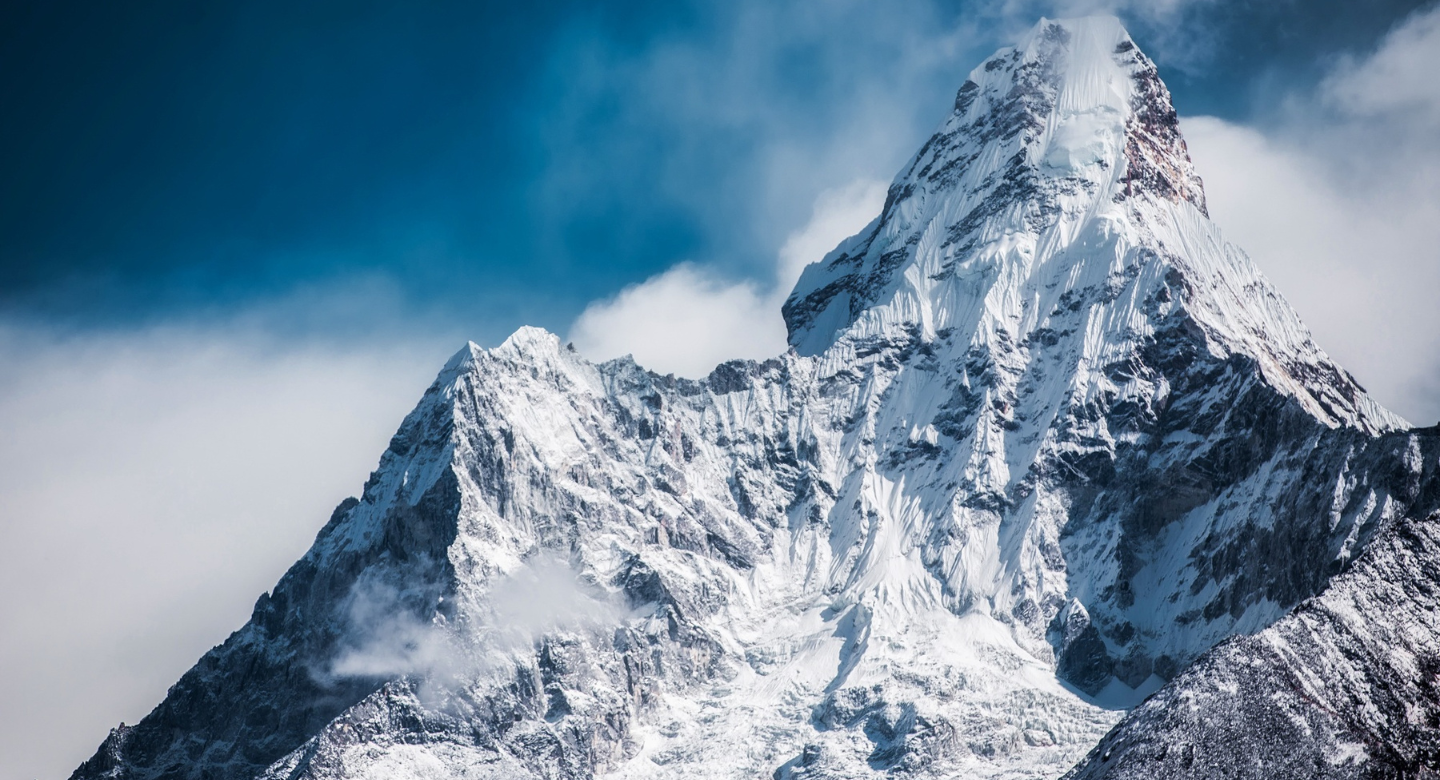
Seven summit expeditions have become the holy grail of mountaineering achievements. This incredible challenge involves climbing the tallest peak on every continent. The concept gained popularity in the 1980s when mountaineers began pursuing this ambitious goal systematically.
The seven peaks vary dramatically in difficulty, climate, and terrain. Each mountain demands different skills and preparation strategies. Some require technical rock climbing abilities, while others test endurance against extreme weather conditions.
What makes this challenge so appealing is its global scope. Climbers experience diverse cultures, landscapes, and climbing styles. The journey often takes several years to complete and costs significant financial investment.
The Seven Peaks: A Continental Overview
Mount Everest – Asia (8,849 meters)
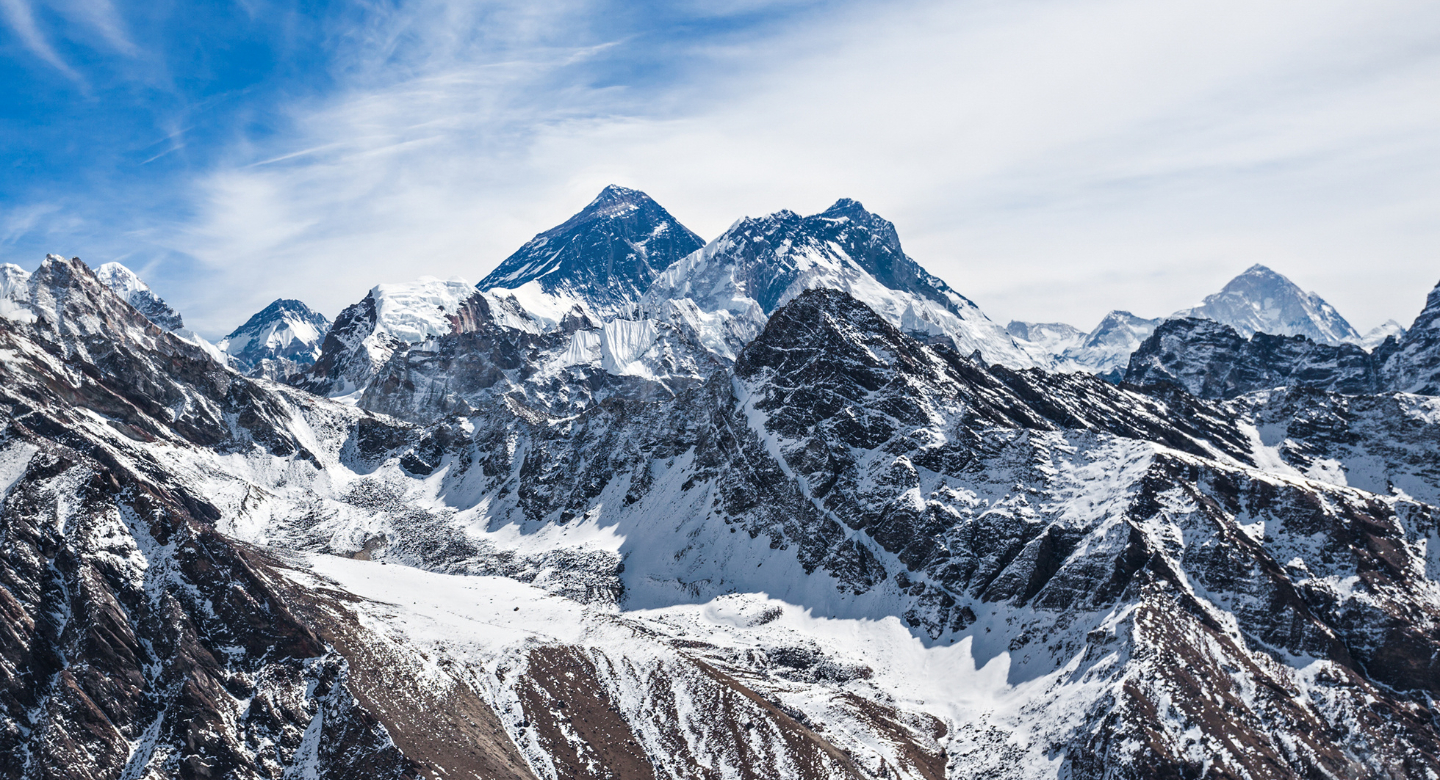
Mount Everest stands as the crown jewel of the Seven Summits challenge. Located on the Nepal-Tibet border, it represents the ultimate test of human endurance. The mountain’s extreme altitude creates life-threatening conditions that challenge even experienced climbers.
Key challenges include:
- Death zone above 8,000 meters with limited oxygen levels
- Unpredictable weather windows that can close rapidly
- Technical climbing sections like the Hillary Step and Khumbu Icefall
Seven Summits climbers often save Everest for last due to its complexity. The mountain requires extensive high-altitude experience and perfect timing. Weather conditions can change within hours, trapping climbers in dangerous situations.
Denali – North America (6,190 meters)
Denali in Alaska presents unique challenges despite being shorter than other peaks. The mountain’s extreme latitude creates brutally cold conditions year-round. Temperatures can drop to minus 40 degrees Celsius, testing equipment and human limits.
Notable features:
- Isolated location requiring self-sufficiency for weeks
- Severe weather systems that can last for days
- Technical glacier travel and crevasse rescue skills needed
Many Seven Summits climbers use Denali as training for higher peaks. The mountain teaches essential skills like cold-weather camping and team dynamics. Its remote location means rescue operations are extremely difficult.
Aconcagua – South America (6,961 meters)
Argentina’s Aconcagua offers a non-technical but physically demanding climb. The mountain serves as an excellent stepping stone for aspiring high-altitude climbers. Its accessibility makes it popular among those pursuing the Seven summit goal.
Climbing considerations:
- High altitude effects without technical climbing requirements
- Strong winds that can exceed 100 kilometers per hour
- Dehydration risks due to dry mountain air
The peak attracts climbers seeking to test their high-altitude tolerance. Its straightforward route makes it ideal for building confidence. However, underestimating Aconcagua’s challenges has led to many failed attempts.
Mount McKinley Alternative Debate
Some climbers debate whether Denali or Mount Logan represents North America’s true highest peak. The traditional Seven Summits list includes Denali as the continental high point. This classification affects how Seven Summits climbers plan their expeditions.
Vinson Massif – Antarctica (4,892 meters)
Antarctica’s Vinson Massif presents logistical challenges unlike any other mountain. The remote location requires expensive chartered flights and specialized cold-weather gear. Limited climbing seasons make scheduling extremely important.
Unique aspects:
- 24-hour daylight during climbing season creates disorientation
- Extreme isolation with no possibility of quick rescue
- Environmental protection regulations that limit group sizes
Seven Summits climbers often find Vinson surprisingly technical despite moderate altitude. The mountain’s pristine environment offers incredible beauty but demands respect. Weather can change rapidly, stranding climbers for extended periods.
Mount Elbrus – Europe (5,642 meters)
Russia’s Mount Elbrus provides a relatively accessible introduction to high-altitude climbing. The mountain’s gentle slopes and established infrastructure make it popular with beginners. However, weather conditions can still prove challenging for unprepared climbers.
Climbing highlights:
- Cable car access reduces approach time significantly
- Well-established hut system provides shelter options
- Technical skills less critical than on other peaks
Many use Elbrus as their first Seven summit attempt. The mountain offers valuable experience with altitude effects and weather planning. Its European location makes it logistically simpler than remote peaks.
Kilimanjaro – Africa (5,895 meters)
Tanzania’s Kilimanjaro stands as Africa’s highest point and perhaps the most accessible Seven summit peak. The mountain requires no technical climbing skills but demands excellent physical fitness. Its diverse ecosystems create a unique climbing experience.
Trail characteristics:
- Multiple route options with varying difficulty levels
- Dramatic climate zones from tropical to arctic conditions
- High success rates compared to other continental high points
Kilimanjaro often serves as an entry point for aspiring Seven Summits climbers. The mountain teaches valuable lessons about pacing and altitude acclimatization. Its popularity means crowded conditions during peak seasons.
Carstensz Pyramid vs. Kosciuszko Debate
The Australia/Oceania continental high point remains contentious among mountaineers. Traditional lists include Australia’s Mount Kosciuszko, while others argue for Indonesia’s Carstensz Pyramid. This debate affects how climbers define their Seven summit achievement.
Carstensz Pyramid – Oceania Alternative (4,884 meters)
Carstensz Pyramid in Indonesia offers technical rock climbing at high altitude. The mountain requires advanced climbing skills and presents significant logistical challenges. Political instability in the region sometimes affects access permissions.
Mount Kosciuszko – Australia (2,228 meters)
Mount Kosciuszko provides a gentle walk-up compared to other continental peaks. The mountain’s low altitude eliminates altitude-related challenges entirely. Many serious climbers prefer the more challenging Carstensz Pyramid option.
Training and Preparation for Seven Summits Climbers
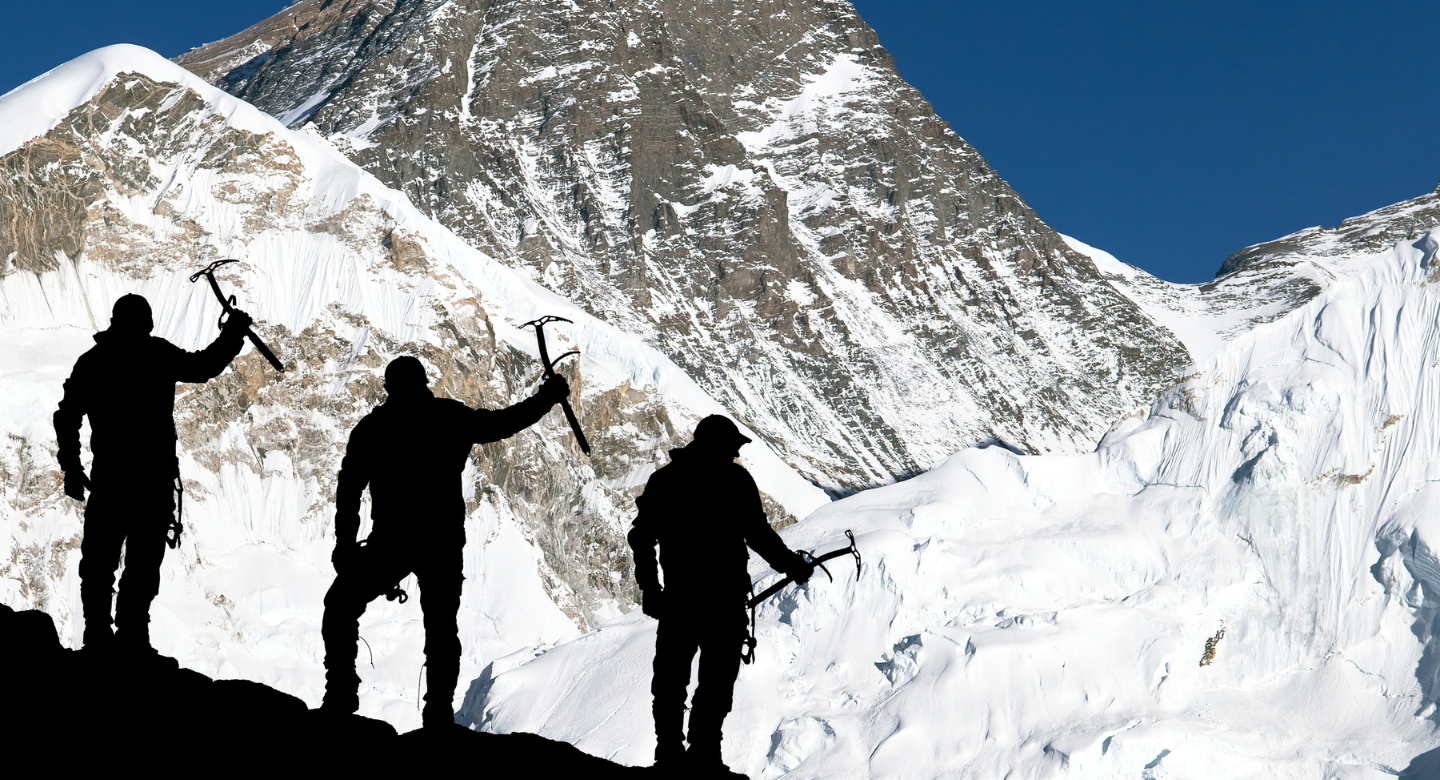
Successful highest mountains on each continent expeditions require years of dedicated preparation. Physical conditioning must address cardiovascular fitness, strength training, and technical skill development. Mental preparation proves equally important for handling extended expeditions.
Essential training components:
- Progressive altitude exposure through smaller peak attempts
- Technical climbing skills including rope work and rescue techniques
- Expedition-style camping and self-sufficiency practices
Seven Summits climbers typically spend 2-5 years building necessary experience. Each mountain teaches valuable lessons applicable to subsequent peaks. Training should simulate the specific challenges of target mountains.
Financial Investment and Logistics
Completing all highest mountains on each continent requires substantial financial commitment. Costs can range from $150,000 to $500,000 depending on guide services and personal choices. Logistical planning becomes increasingly complex with multiple international expeditions.
Major expense categories:
- Guide services and permit fees for restricted mountains
- Specialized equipment suitable for diverse climbing conditions
- International travel and expedition logistics coordination
Many Seven Summits climbers spread costs over several years to make the challenge manageable. Sponsorship opportunities exist for exceptional climbers with strong media presence. Budget planning should include contingency funds for weather delays.
Safety Considerations and Risk Management
The highest mountains on each continent present various safety challenges requiring different risk management strategies. Weather prediction, equipment failure, and medical emergencies can occur on any mountain. Comprehensive insurance coverage becomes essential for international expeditions.
Critical safety elements:
- Communication devices for emergency rescue coordination
- Redundant safety equipment for critical life-support systems
- Evacuation insurance covering helicopter rescue from remote locations
Statistics show that experienced Seven Summits climbers have lower accident rates. Proper training and conservative decision-making significantly reduce risks. Many accidents result from poor judgment rather than technical failures.
Notable Seven Summit Achievers
Several remarkable climbers have completed this extraordinary challenge throughout mountaineering history. Dick Bass completed the first recognized Seven summit achievement in 1985. Since then, hundreds of climbers have joined this exclusive group.
Record holders include:
- Youngest completionist records continue to be broken regularly
- Speed records for completing all seven peaks in minimal time
- Notable achievements by climbers with physical disabilities
These achievements inspire new generations of Seven Summits climbers worldwide. Each success story demonstrates human capability to overcome seemingly impossible challenges. The climbing community celebrates these accomplishments while promoting safe practices.
Environmental Impact and Responsibility
Climbing the highest mountains on each continent carries significant environmental responsibilities. Popular mountains face increasing pressure from tourism and climbing activities. Responsible climbing practices help preserve these pristine environments for future generations.
Sustainable climbing practices:
- Leave No Trace principles applied consistently across all expeditions
- Supporting local communities economically through guide services and supplies
- Minimizing carbon footprint through efficient travel planning
Seven Summits climbers often become environmental advocates after witnessing climate change effects firsthand. Many support conservation organizations working to protect mountain ecosystems. Responsible practices ensure continued access to these incredible peaks.
Planning Your Seven Summit Journey
Aspiring climbers should approach this challenge with realistic timelines and progressive skill building. Starting with technically easier peaks builds confidence and experience gradually. Each mountain provides valuable lessons applicable to more challenging objectives.
Recommended progression strategy:
- Begin with Kilimanjaro or Elbrus to gain altitude experience
- Progress to more technical peaks like Denali or Aconcagua
- Save Everest for last after gaining extensive high-altitude experience
Success depends on honest self-assessment and conservative planning. Many climbers underestimate the time and resources required for completion. Patience and persistence prove more valuable than rushing toward the goal.
The Ultimate Achievement
The Seven summit challenge represents mountaineering’s greatest adventure, testing climbers across diverse terrains and conditions worldwide. This extraordinary journey demands physical preparation, technical skills, and unwavering determination. Each of the highest mountains on each continent offers unique lessons and unforgettable experiences.
Whether pursuing personal goals or professional achievements, Seven Summits climbers join an exclusive community of adventurers. The challenge extends far beyond physical accomplishment to include personal growth and global perspective. Those who complete this remarkable journey carry memories and friendships that last a lifetime.
The mountains await those brave enough to accept this ultimate challenge. With proper preparation, respect for the environment, and dedication to safety, the Seven summit achievement remains within reach for determined climbers worldwide.
Explore More
How to Document Your Trek Without Damaging Nature
Unsustainable Tourism Fuels Himalayan Disasters – What We Have Learn From This
Frequently Asked Questions (FAQs) on Seven Summits: The Greatest Mountain Challenge
What are the Seven Summits?
The Seven Summits are the highest mountains on each continent: Everest (Asia), Denali (North America), Aconcagua (South America), Vinson (Antarctica), Elbrus (Europe), Kilimanjaro (Africa), and either Carstensz Pyramid or Kosciuszko (Oceania).
How long does it take to complete all Seven Summits?
Most climbers take 2-7 years to complete all seven peaks. The timeline depends on experience level, training schedule, and financial resources.
How much does climbing the Seven Summits cost?
Total costs range from $150,000 to $500,000, including guide services, permits, equipment, travel, and insurance expenses.
Which is the easiest Seven Summit to climb?
Kosciuszko in Australia is the easiest, requiring only a day hike. Kilimanjaro is the most accessible high-altitude option.
Which Seven Summit is the most difficult?
Mount Everest is considered the most challenging due to extreme altitude, technical sections, and dangerous weather conditions.
Do I need previous climbing experience for Seven Summits?
Yes, extensive mountaineering experience is essential. Start with smaller peaks and gradually build technical skills and altitude experience.
What’s the best order to climb the Seven Summits?
Most climbers start with Kilimanjaro or Elbrus, progress through Aconcagua and Denali, then tackle Vinson and Carstensz, saving Everest for last.