Sherpas have quietly shaped the history of mountaineering for over a century. These remarkable people from the high-altitude regions of Nepal possess unmatched skills in navigating the world’s most dangerous peaks. Their deep understanding of mountain weather patterns, terrain, and survival techniques makes them indispensable to climbers worldwide.
Beyond their mountaineering prowess, the role of Sherpas in mountaineering extends far beyond carrying equipment. They serve as guides, rescue specialists, route fixers, and often the difference between life and death on treacherous slopes. Their contributions to successful summit attempts remain largely unrecognized by the broader public.
The story of Sherpa culture and traditions intertwines beautifully with their mountain expertise. Buddhism deeply influences their respect for the mountains, which they consider sacred. This spiritual connection enhances their ability to read natural signs and make critical decisions in extreme conditions.
Who Are the Sherpas?
Origins and Heritage

The Sherpa people originally migrated from Tibet to the Solu-Khumbu region of Nepal centuries ago. The name “Sherpa” literally means “people from the east” in their native language. They settled in high-altitude valleys where few others could survive comfortably.
Sherpa culture and traditions revolve around:
- Buddhism: Most Sherpas practice Tibetan Buddhism, which shapes their worldview and mountain philosophy
- Community bonds: Strong family ties and collective responsibility define their social structure
- Mountain reverence: They view peaks like Everest (Chomolungma) as sacred dwelling places of gods
Physical Adaptations
Living at elevations above 12,000 feet for generations has given Sherpas unique physiological advantages:
- Enhanced oxygen efficiency: Their bodies produce more red blood cells and process oxygen more effectively
- Superior lung capacity: Larger lung volumes help them breathe efficiently in thin air
- Metabolic adaptations: Their bodies burn calories more efficiently at high altitudes
The Role of Sherpas in Mountaineering
Essential Functions
The role of Sherpas in mountaineering encompasses multiple critical responsibilities that make expeditions possible:
Route Preparation
- Path finding: Sherpas scout and establish safe routes through dangerous terrain like icefalls
- Rope fixing: They install fixed ropes and anchors that climbers depend on for safety
- Camp establishment: Setting up base camps and higher camps with proper equipment placement
Guiding and Support
- Weather expertise: Reading mountain conditions and advising on safe climbing windows
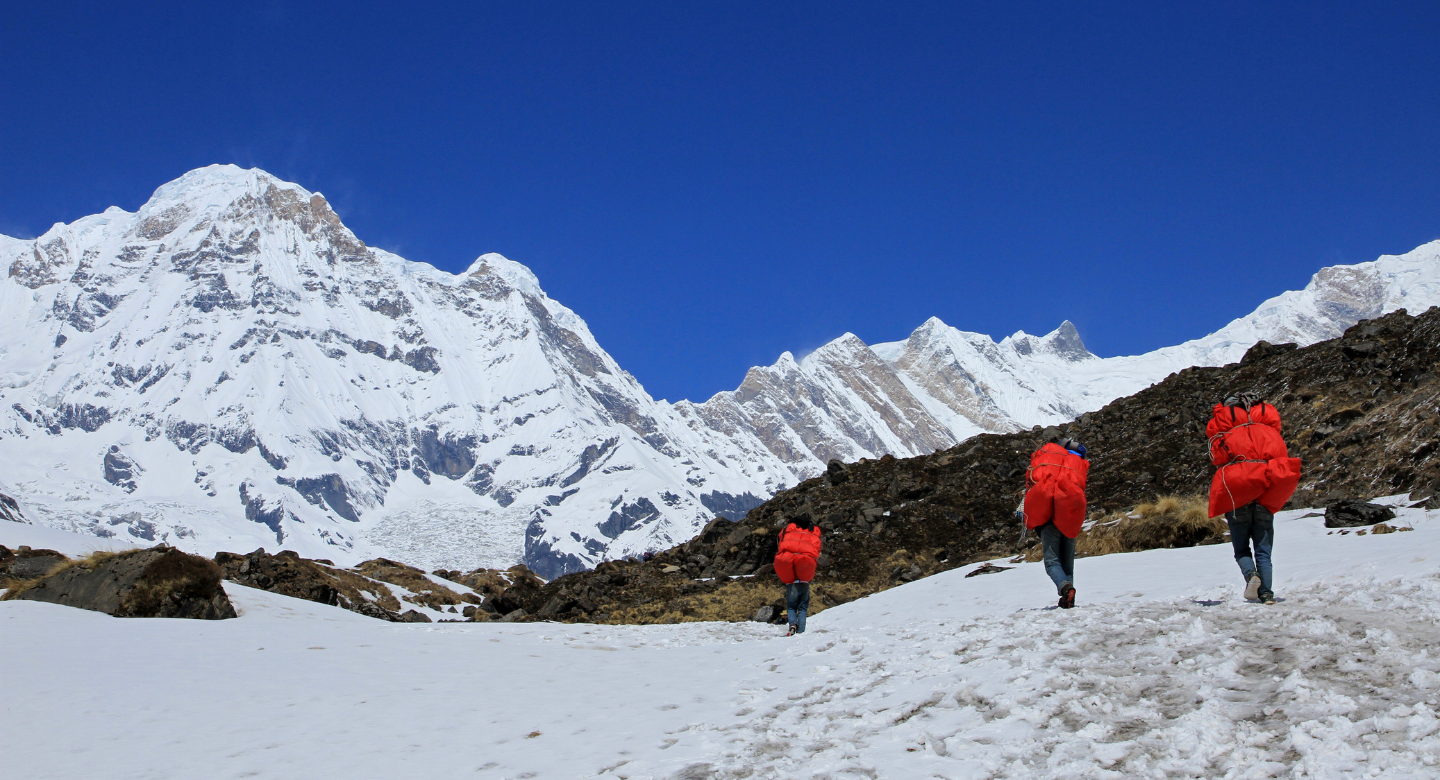
- Load carrying: Transporting essential supplies, oxygen tanks, and emergency equipment
- Emergency response: Conducting high-altitude rescues when climbers face life-threatening situations
Modern Mountaineering Impact
Today’s commercial expeditions rely heavily on Sherpa expertise. Statistics show that Sherpas often outnumber foreign climbers on major peaks. They carry approximately 80% of expedition supplies while maintaining responsibility for client safety.
The role of Sherpas in mountaineering has evolved with technology, but their core skills remain irreplaceable. GPS devices and satellite phones supplement their knowledge, but cannot replace their intuitive understanding of mountain behavior.
Sherpa Culture and Traditions
Spiritual Beliefs
Sherpa culture and traditions center around deep spiritual practices that influence their mountaineering approach:
Buddhist Philosophy
- Karma: Belief that actions have consequences affects their decision-making on mountains
- Compassion: Strong ethical code emphasizes helping others, even at personal risk
- Mindfulness: Present-moment awareness helps them stay alert in dangerous conditions
Mountain Worship
- Sacred peaks: Everest and other major summits are considered homes of deities
- Ritual ceremonies: Puja ceremonies before expeditions seek mountain gods’ permission and protection
- Respect protocols: Traditional practices like not stepping on summit cairns show reverence
Daily Life and Customs
Traditional Sherpa communities maintain customs that strengthen their mountain skills:
- Seasonal migration: Moving between different altitudes teaches altitude adaptation
- Community cooperation: Shared responsibilities build teamwork skills essential for expeditions
- Oral traditions: Stories and knowledge pass down through generations without written records
Famous Sherpas in History
Tenzing Norgay (1914-1986)
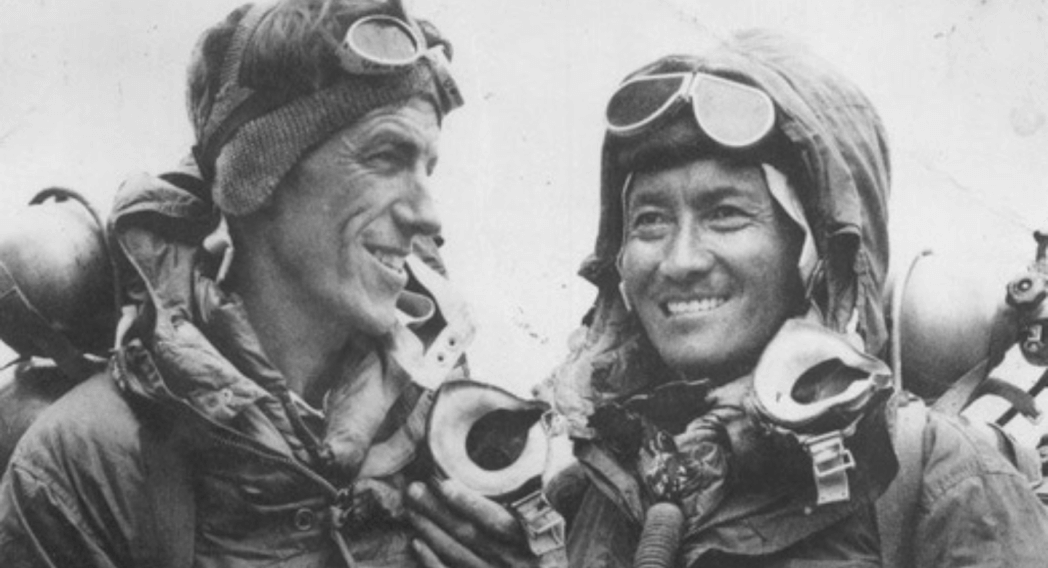
The most celebrated among famous Sherpas in history, Tenzing Norgay achieved global recognition by summiting Mount Everest with Edmund Hillary in 1953. His accomplishment brought international attention to Sherpa capabilities.
Tenzing’s legacy includes:
- First Everest summit: Shared historic achievement that opened modern mountaineering era
- Cultural ambassador: Represented Sherpa people on world stage with dignity and pride
- Inspiration: Motivated countless Sherpas to pursue mountaineering careers
Apa Sherpa (Born 1960)
Known as “Super Sherpa,” Apa holds the record for most Everest summits by any climber. His 21 successful ascents demonstrate the exceptional endurance Sherpas possess.
Notable achievements:
- Record holder: Maintained summit record for years before other Sherpas surpassed it
- Environmental advocate: Uses his platform to promote mountain conservation
- Mentor: Trains younger Sherpas in advanced mountaineering techniques
Pemba Dorje Sherpa (Born 1977)
This remarkable climber among famous Sherpas in history set speed records for Everest ascents. His fastest climb took just 8 hours and 10 minutes from base camp to summit.
Key accomplishments:
- Speed records: Demonstrated exceptional fitness and route knowledge
- Technical innovation: Pioneered new climbing techniques for efficiency
- Safety focus: Maintained perfect safety record despite aggressive climbing style
Ang Dorje Sherpa (Born 1966)
Widely regarded as one of the most skilled high-altitude climbers, Ang Dorje has summited Everest multiple times while serving as sirdar (head Sherpa) for major expeditions.
Professional highlights:
- Expedition leadership: Successfully led numerous international climbing teams
- Route expertise: Known for exceptional route-finding skills in poor weather
- Rescue specialist: Participated in several high-altitude rescue operations
Lhakpa Sherpa (Born 1973)
Breaking gender barriers among famous Sherpas in history, Lhakpa holds the record for most Everest summits by a woman. Her achievements inspire female climbers worldwide.
Remarkable journey:
- Gender pioneer: Proved that Sherpa women possess equal mountaineering capabilities
- Multiple summits: Achieved nine successful Everest ascents despite facing discrimination
- American dream: Lives in Connecticut while maintaining connection to Sherpa heritage
Challenges Facing Sherpa Communities
Economic Pressures
Despite their crucial role of Sherpas in mountaineering, economic disparities persist:
- Wage gaps: Sherpas earn significantly less than Western guides despite greater risks
- Seasonal income: Climbing seasons provide limited earning opportunities throughout the year
- Family separation: Long expeditions keep Sherpas away from families for months
Safety Concerns
The dangerous nature of high-altitude work creates ongoing challenges:
- Higher fatality rates: Statistical data shows Sherpas face disproportionate accident risks
- Limited insurance: Inadequate coverage leaves families vulnerable after accidents
- Equipment quality: Budget constraints sometimes mean using inferior safety gear
Cultural Preservation
Modern mountaineering influences threaten traditional Sherpa culture and traditions:
- Language erosion: Younger Sherpas increasingly speak Nepali and English over native dialects
- Religious practices: Commercial expedition schedules sometimes conflict with spiritual ceremonies
- Traditional knowledge: Modern technology risks replacing ancestral mountain wisdom
Environmental Stewardship
Mountain Conservation
Sherpas have become leading voices in Himalayan environmental protection:
Cleanup Initiatives
- Waste removal: Sherpas organize expeditions to remove garbage left by climbing teams
- Recycling programs: Converting expedition waste into useful materials for communities
- Education campaigns: Teaching climbers about Leave No Trace principles
Climate Change Awareness
- Glacier monitoring: Sherpas observe and report changes in ice conditions over decades
- Weather pattern documentation: Their traditional knowledge helps scientists understand climate shifts
- Adaptation strategies: Developing new techniques for changing mountain conditions
The Future of Sherpa Communities
Education and Development
Progressive changes are improving opportunities for Sherpas:
- Educational access: More Sherpa children attend schools and universities
- Technical training: Advanced mountaineering courses enhance professional skills
- Entrepreneurship: Some Sherpas start their own expedition companies and businesses
Recognition and Respect
Growing awareness of Sherpa contributions leads to positive changes:
- Media coverage: Documentary films and books highlight Sherpa stories and achievements
- Improved compensation: Some expedition companies offer better wages and benefits
- Cultural appreciation: Increased respect for Sherpa culture and traditions in mountaineering community
Supporting Sherpa Communities
Ethical Mountaineering
Climbers can support Sherpas through conscious choices:
- Fair wages: Choose expedition companies that pay Sherpas equitably
- Insurance verification: Ensure Sherpas have comprehensive accident and life insurance
- Cultural respect: Learn about and honor Sherpa culture and traditions during expeditions
Direct Support
Various organizations work to improve Sherpa welfare:
- Educational scholarships: Programs that fund Sherpa children’s education
- Healthcare initiatives: Medical clinics and emergency care in remote mountain regions
- Economic development: Projects that create alternative income sources beyond mountaineering
Lets Summarize
The remarkable story of Sherpas extends far beyond their reputation as exceptional mountain guides. These extraordinary people embody a unique combination of physical adaptation, cultural wisdom, and spiritual strength that makes them truly the unsung guardians of the Himalayas.
Understanding the comprehensive role of Sherpas in mountaineering reveals their indispensable contributions to every successful expedition. From the famous Sherpas in history who first opened routes to modern-day climbers who continue breaking barriers, their legacy grows stronger each year.
The preservation of Sherpa culture and traditions remains crucial not only for their communities but for the entire mountaineering world. Their traditional knowledge, combined with modern techniques, creates the foundation for safe and sustainable high-altitude climbing.
Frequently Asked Questions (FAQs) Sherpas: The Unsung Guardians of the Himalayas
What makes Sherpas naturally suited for high-altitude climbing?
Sherpas have lived at high altitudes for generations, developing unique physiological adaptations. Their bodies produce more red blood cells and have larger lung capacity, allowing them to process oxygen more efficiently in thin mountain air.
How much do Sherpas typically earn during climbing seasons?
Sherpa wages vary significantly, but experienced guides can earn $3,000-$5,000 per Everest expedition. However, this represents their primary annual income, as climbing seasons are short and work is seasonal.
Are all Sherpas from the same ethnic group?
Yes, Sherpas are a distinct ethnic group originally from Tibet who settled in Nepal’s Solu-Khumbu region. The term has become synonymous with mountain guides, but true Sherpas share specific cultural and genetic heritage.
What training do Sherpas receive before becoming mountain guides?
Many Sherpas learn through family traditions and apprenticeships with experienced climbers. Formal training includes mountaineering courses, first aid certification, and rescue techniques, though much knowledge passes through generations.
Why do Sherpas perform religious ceremonies before expeditions?
Buddhist beliefs are central to Sherpa culture, and mountains are considered sacred. Puja ceremonies seek permission and protection from mountain deities, reflecting their spiritual relationship with the peaks they climb.
What happens to Sherpa families if a climber dies in an accident?
Tragically, many Sherpa families lack adequate life insurance coverage. Some expedition companies and charitable organizations provide support, but compensation is often insufficient, leaving families in financial hardship.