Your 10-item gear checklist could mean the difference between life and death in the mountains. In the mountains, even the smallest mistake can become life-threatening.
The Indian Himalayas had tested my preparedness countless times. From the snow-covered peaks of Kedarkantha to the challenging terrain of Hampta Pass, I discovered that having the right essential trekking gear India wasn’t just about comfort—it was about survival.
The weather in these mountains can change within minutes. You might start your day in sunshine and end up in a hailstorm. Remote terrain means help could be hours or days away. This is why every serious trekker needs a reliable 10-item gear checklist that covers all emergency scenarios.
Here’s the 10-item gear checklist that could literally save your life on your next Himalayan adventure.
Why Gear Matters in the Indian Mountains
India’s trekking routes take you through incredibly diverse landscapes. You’ll navigate dense forest trails, cross snowfields, scramble over rocky ridges, and sometimes traverse glacial zones. Each environment presents unique challenges that demand specific preparation.
Weather patterns in the Indian Himalayas are notoriously unpredictable. Morning sunshine can quickly turn into afternoon thunderstorms. Temperatures drop dramatically after sunset, sometimes plunging below freezing even during summer months.
Proper survival gear for trekking ensures you’re ready for altitude sickness, sudden cold snaps, and emergencies. The right equipment becomes your lifeline when conditions deteriorate rapidly.
I remember descending from Brahmatal in complete darkness when our trek took longer than expected. My headlamp wasn’t just convenient—it prevented a potentially dangerous fall. That night taught me that mountain safety tips aren’t suggestions; they’re survival necessities.
The 10-Item Gear Checklist That Could Save Your Life
1. Navigation Tools (Map, Compass, GPS)
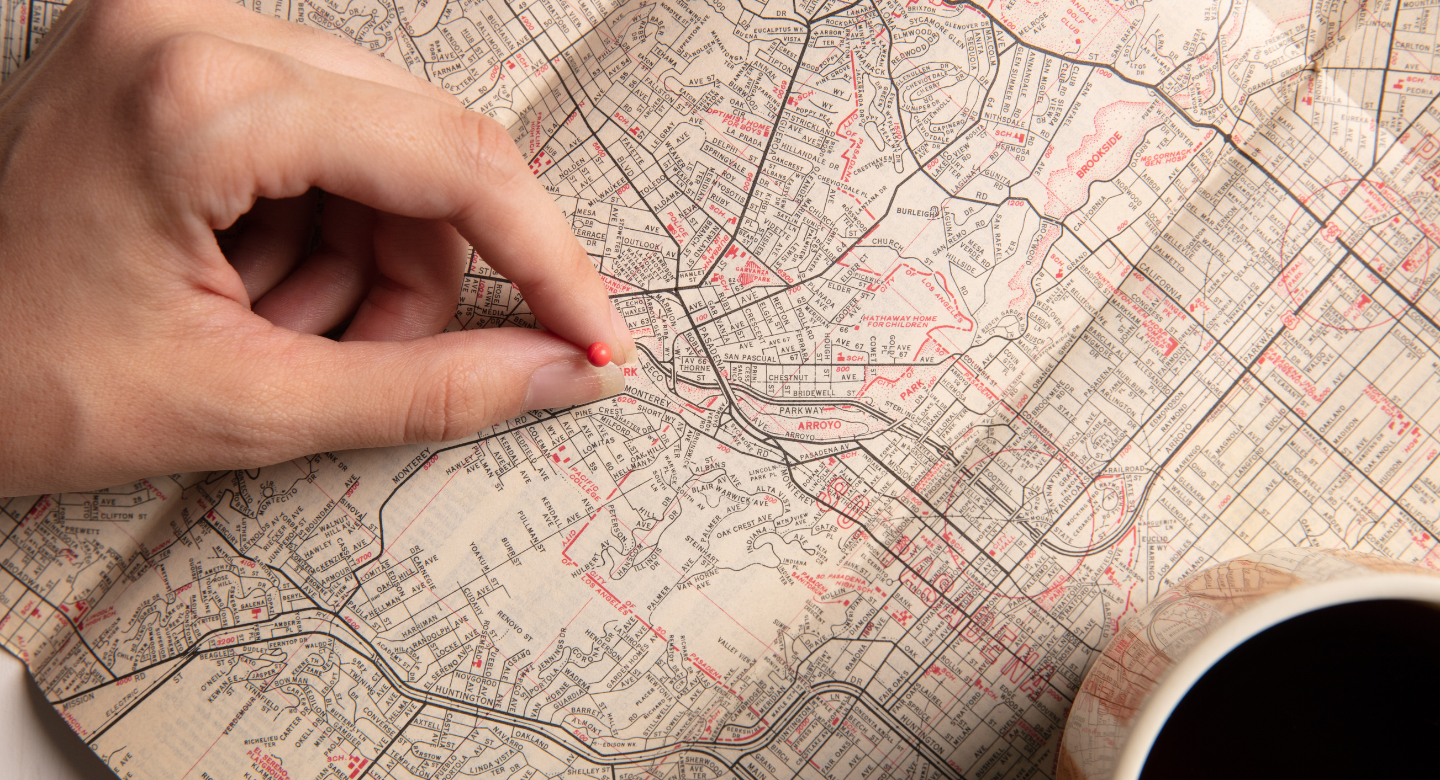
Getting lost on Indian mountain trails is easier than you think. Even popular routes like Hampta Pass or Goechala have confusing sections where trails split or fade.
Always carry a physical map and compass as backup. GPS devices can fail when batteries die or signals weaken in deep valleys.
2. Headlamp with Extra Batteries
A reliable headlamp is absolutely essential for mountain trekking. Early morning summit attempts often begin in complete darkness. Late descents happen more frequently than trekkers expect.
During my Kedarkantha summit attempt, we started climbing at 3 AM. My headlamp illuminated the trail for six crucial hours. Without it, reaching the summit safely would have been impossible.
3. Insulating Layer / Warm Jacket
Mountain temperatures can drop below freezing even during summer months. High-altitude locations like Buran Ghati or Kedarkantha experience dramatic temperature swings between day and night.
A quality down jacket or synthetic insulation layer provides critical warmth retention. This piece of essential trekking gear has saved countless trekkers from hypothermia.
4. Rain Gear / Poncho
Indian Himalayas are incredibly unpredictable, especially during monsoon season. Treks like Valley of Flowers become particularly challenging when rain strikes suddenly.
Waterproof rain gear keeps both your body and backpack dry. Staying dry prevents hypothermia and keeps your other gear functional when you need it most.
5. First Aid Kit

Your first aid kit should include altitude sickness medication like Diamox, ORS packets, bandages, and antiseptic cream. Basic pain relievers and anti-inflammatory drugs are also essential.
During a trek to Triund, a fellow trekker developed severe altitude sickness. Our group’s first aid supplies and quick response likely prevented a medical emergency from becoming life-threatening.
6. Emergency Shelter / Sleeping Bag
A lightweight emergency shelter or compact sleeping bag provides crucial protection during unplanned stops. Weather delays happen frequently in mountain environments.
Emergency bivvy sacks weigh almost nothing but offer significant protection from wind and rain. This survival gear for trekking becomes invaluable when you can’t reach your planned campsite.
7. Fire Source (Lighter, Matches, Firestarter)
Fire provides warmth, enables cooking, and serves as an emergency signal for rescue teams. Indian forest environments are often damp, making waterproof matches essential equipment.
Carry multiple ignition sources in different locations. Storm-proof lighters and waterproof matches ensure you can create fire even in challenging conditions.
8. Hydration System (Water Bottles, Purification Tablets)

Clean drinking water is crucial for mountain trekking, but many Indian trail water sources contain harmful bacteria. Dehydration at altitude becomes dangerous very quickly.
Water purification tablets are lightweight and effective. I always carry backup purification methods and refill bottles from streams along the route using proper treatment.
9. High-Energy Food
Emergency food supplies provide crucial energy when you’re exhausted, lost, or delayed. Energy bars, dry fruits, and traditional Indian snacks like jaggery work excellently for quick fuel.
Local options like chikki, roasted peanuts, and homemade trail mix are both nutritious and culturally appropriate. These foods provide sustained energy during challenging situations.
10. Multi-Tool / Knife
A quality multi-tool serves countless purposes during mountain adventures. You’ll use it for cutting rope, fixing broken gear, preparing food, and handling various survival situations.
Compact multi-tools include knife blades, pliers, screwdrivers, and scissors. This versatile equipment takes minimal pack space while providing maximum utility.
Additional Mountain Safety Tips
Always check detailed weather forecasts before departing for any trek. Indian mountain weather can change rapidly, and being informed helps you make better decisions.
Pack light but never compromise on essential trekking gear India. Every item in your 10-item gear checklist serves a specific survival purpose.
I once met underprepared trekkers on the Roopkund trail who were wearing cotton clothing and carrying inadequate gear. They turned back after one day because they couldn’t handle the conditions safely. Proper preparation would have enabled them to complete their planned adventure.
Study your planned route thoroughly. Understand water sources, emergency exit points, and potential hazards. Knowledge combined with proper gear creates the foundation for safe mountain adventures.
Consider hiring local guides for challenging routes, but don’t rely entirely on their equipment. Your personal survival gear for trekking remains your responsibility and your safety net.
My Takeaway from the Mountains
Years of Himalayan trekking taught me that gear isn’t luxury—it’s survival insurance. Mountains demand respect, and proper preparation shows that respect practically.
One close call during a Hampta Pass crossing reinforced why I never trek without these 10 essential items. Sudden weather forced our group to take shelter for several hours. Having emergency supplies meant staying warm, dry, and fed while waiting for conditions to improve.
That experience transformed my understanding of mountain safety tips. Preparedness isn’t paranoia; it’s responsible adventuring that respects nature’s unpredictable power.
Every piece of equipment in your pack should serve a clear survival purpose. Weight matters in the mountains, but safety matters more. The right gear enables confident exploration while providing security when conditions deteriorate.
Let’s Summarize
This 10-item gear checklist covers the essential survival equipment every mountain adventurer needs. Navigation tools, lighting, insulation, rain protection, medical supplies, emergency shelter, fire sources, water purification, emergency food, and multi-tools form your survival foundation.
Remember: in the mountains, self-reliance begins with preparation. Weather changes quickly, help might be far away, and your essential trekking gear India becomes your lifeline during emergencies.
Invest in quality equipment and learn how to use it properly. Practice with your gear before heading into challenging terrain. Understand that survival gear for trekking only works when you know its capabilities and limitations.
The Indian Himalayas offer incredible adventures, but they also demand serious preparation. Your 10-item gear checklist isn’t just equipment—it’s your ticket to safe, confident mountain exploration.
Explore More Such Blog
Basic First Aid Skills Every Trekker Must Know
Tips to Choose Trekking Shoes – A Complete Guide for Trekkers
Frequently Asked Questions (FAQs) on the 10-item gear checklist
What is the most important item in a 10-item gear checklist for trekking?
Navigation tools are crucial for essential trekking gear India. Getting lost in remote Himalayan terrain can be life-threatening, making maps and compass your top priority.
How much should I budget for complete survival gear for trekking?
Quality survival gear for trekking typically costs ₹15,000-25,000 for beginners. Invest in reliable brands, as cheap gear often fails when you need it most.
Can I skip any items from the 10-item gear checklist for day treks?
Never skip core items from your 10-item gear checklist. Even day treks in Indian mountains can become overnight emergencies due to weather changes or injuries.
What are the best mountain safety tips for first-time Himalayan trekkers?
Start with easier trails, never trek alone, inform others about your plans, and carry all essential trekking gear India. Weather awareness is critical for mountain safety.
How do I choose the right rain gear for Indian mountain conditions?
Select breathable, waterproof jackets with sealed seams. Indian monsoons demand reliable survival gear for trekking that keeps you dry during extended downpours.
Are there specific mountain safety tips for altitude sickness prevention?
Acclimatize gradually, stay hydrated, avoid alcohol, and carry Diamox. These mountain safety tips are essential for high-altitude Indian treks above 3,000 meters.