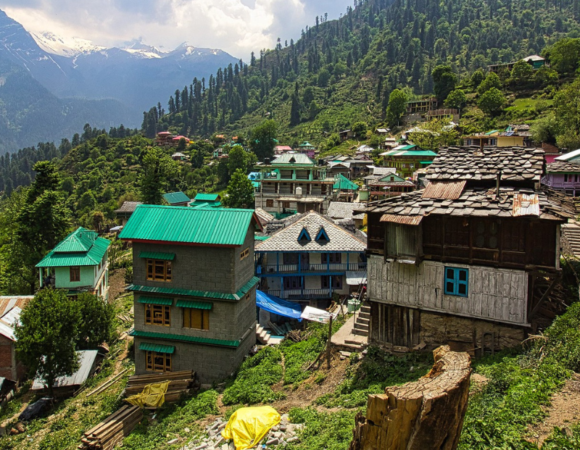
The importance of Leave No Trace principles in Himalayan trekking cannot be overstated. The pristine mountain landscape faces growing environmental challenges from tourism, making sustainable practices crucial for preserving these fragile ecosystems while enjoying adventure.
Preserving the Roof of the World
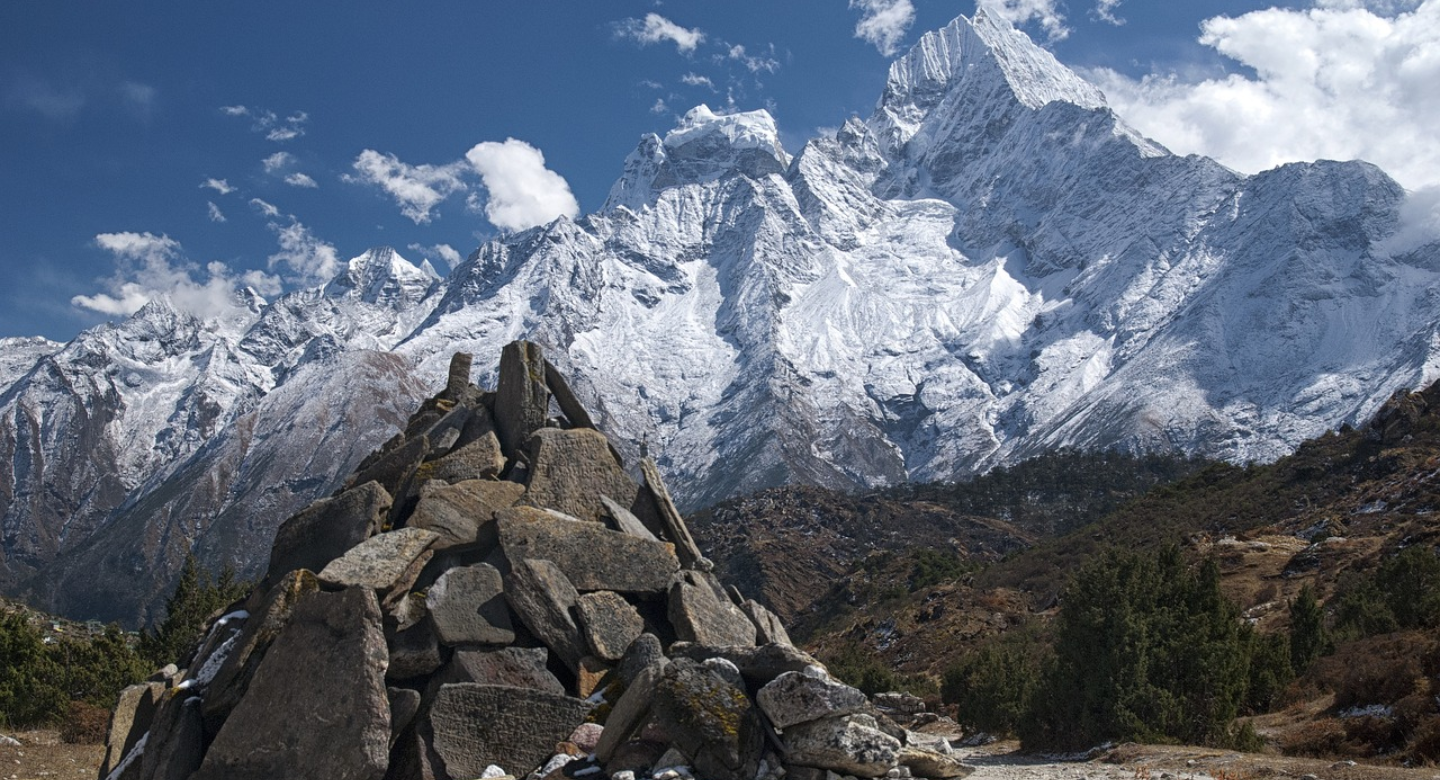
The importance of Leave No Trace principles is paramount when exploring the Himalayas, one of Earth’s most magnificent and delicate ecosystems. Stretching across five countries, these majestic mountains attract thousands of trekkers annually. However, this increasing footfall brings significant environmental challenges to the region.
Trekking in the Himalayas offers unforgettable experiences. The snow-capped peaks, ancient cultures, and diverse wildlife create memories that last a lifetime. Yet, these precious environments face threats from unsustainable tourism practices. This is where Leave No Trace principles in Himalayan treks become essential.
These principles provide a framework for responsible outdoor recreation. They guide trekkers on minimizing their environmental impact. By following these guidelines, we help preserve the natural beauty of the Himalayas for future generations.
Understanding Leave No Trace: The Seven Core Principles
The Leave No Trace philosophy centers around seven fundamental principles. These guidelines are particularly relevant when trekking in Himalayas, where ecosystems are fragile and recovery is slow due to harsh conditions and short growing seasons.
1. Plan Ahead and Prepare

Proper preparation is the first step in practicing Leave No Trace principles in Himalayan treks. Research your route thoroughly before departure. Understand local regulations and special concerns for the areas you’ll visit.
Planning helps you avoid unexpected situations that might lead to environmental damage. For example, knowing where designated campsites are located prevents the need to create new ones. Understanding weather patterns helps you pack appropriately, reducing the temptation to abandon gear.
When trekking in Himalayas, preparation should include:
- Researching permit requirements and regulations
- Learning about local customs and practices
- Understanding seasonal weather conditions
- Planning meals to minimize waste
- Packing appropriate gear for all conditions
Good preparation enhances your safety and reduces your impact on the environment. This exemplifies the importance of Leave No Trace principles right from the planning stage.
2. Travel and Camp on Durable Surfaces

The Himalayan terrain includes delicate alpine meadows, fragile moss beds, and sensitive river banks. Walking and camping on durable surfaces prevents lasting damage to these ecosystems.
When trekking in Himalayas, stick to established trails. Resist shortcuts that may cause erosion or damage vegetation. In popular areas, concentrate use on existing trails and campsites rather than creating new impact zones.
For camping, choose:
- Established campsites where available
- Durable surfaces like rock, sand, or dry grass
- Locations at least 200 feet from water sources
- Areas where you won’t need to clear vegetation
The importance of Leave No Trace principles becomes evident when you consider that alpine vegetation can take decades to recover from damage. Your careful choice of where to step and sleep makes a significant difference.
3. Dispose of Waste Properly

Proper waste disposal is crucial when practicing Leave No Trace principles in Himalayan treks. The “pack it in, pack it out” rule should be your mantra. Carry out all trash, leftover food, and litter.
Human waste management presents special challenges at high altitudes. Decomposition occurs slowly in cold environments. Use designated toilet facilities where available. Otherwise, dig a cathole 6-8 inches deep at least 200 feet from water sources.
Hygiene products and toilet paper should be packed out when possible, or buried deeply in your cathole. Some high-altitude trekking routes now require carrying waste bags for the entire journey.
For washing:
- Carry water at least 200 feet from streams or lakes
- Use minimal amounts of biodegradable soap
- Scatter strained dishwater widely to prevent concentration
By properly disposing of waste, you demonstrate the importance of Leave No Trace principles for water quality and wildlife health.
4. Leave What You Find

The Himalayas host unique geological features, archaeological treasures, and diverse plant life. When trekking in Himalayas, resist the urge to collect souvenirs, whether rocks, plants, or cultural artifacts.
Preserving these natural and cultural elements allows others to experience the joy of discovery. It also maintains the ecological and historical integrity of these special places.
Avoid:
- Picking flowers or plants
- Moving rocks or disturbing geological features
- Taking artifacts from religious or cultural sites
- Carving into trees or rocks
- Building structures or rock cairns not needed for navigation
This principle of Leave No Trace principles in Himalayan treks helps preserve both natural and cultural heritage. What might seem like a small keepsake to you represents part of the region’s irreplaceable character.
5. Minimize Campfire Impact

The high-altitude Himalayan environment has limited firewood resources. Trees grow slowly at these elevations, and wood collection damages ecosystems. The importance of Leave No Trace principles is particularly evident in fire practices.
Consider alternatives to fires:
- Use lightweight camping stoves for cooking
- Enjoy the stars rather than a campfire at night
- Pack warm clothing and gear for cold evenings
If you must have a fire, use established fire rings where allowed. Keep fires small and burn only small sticks that can be broken by hand. Burn all wood completely to ash, then scatter cool ashes widely.
When trekking in Himalayas, remember that collecting wood damages habitats and removes nutrients from the ecosystem. Many areas now prohibit campfires entirely due to environmental concerns and dwindling resources.
6. Respect Wildlife

The Himalayan range is home to remarkable wildlife including snow leopards, red pandas, Himalayan tahr, and numerous bird species. Observing these creatures in their natural habitat can be a highlight of trekking in Himalayas.
Respectful wildlife observation means:
- Watching from a distance
- Never feeding animals
- Properly storing food and trash
- Controlling pets or leaving them at home
- Avoiding wildlife during sensitive times (mating, nesting, raising young)
When animals receive food from humans, they become habituated and lose their natural fear. This often leads to problem behaviors and sometimes to animals being killed as perceived threats.
Following Leave No Trace principles in Himalayan treks includes respecting the wild nature of animals. View them from afar, using binoculars rather than approaching closely.
7. Be Considerate of Other Visitors
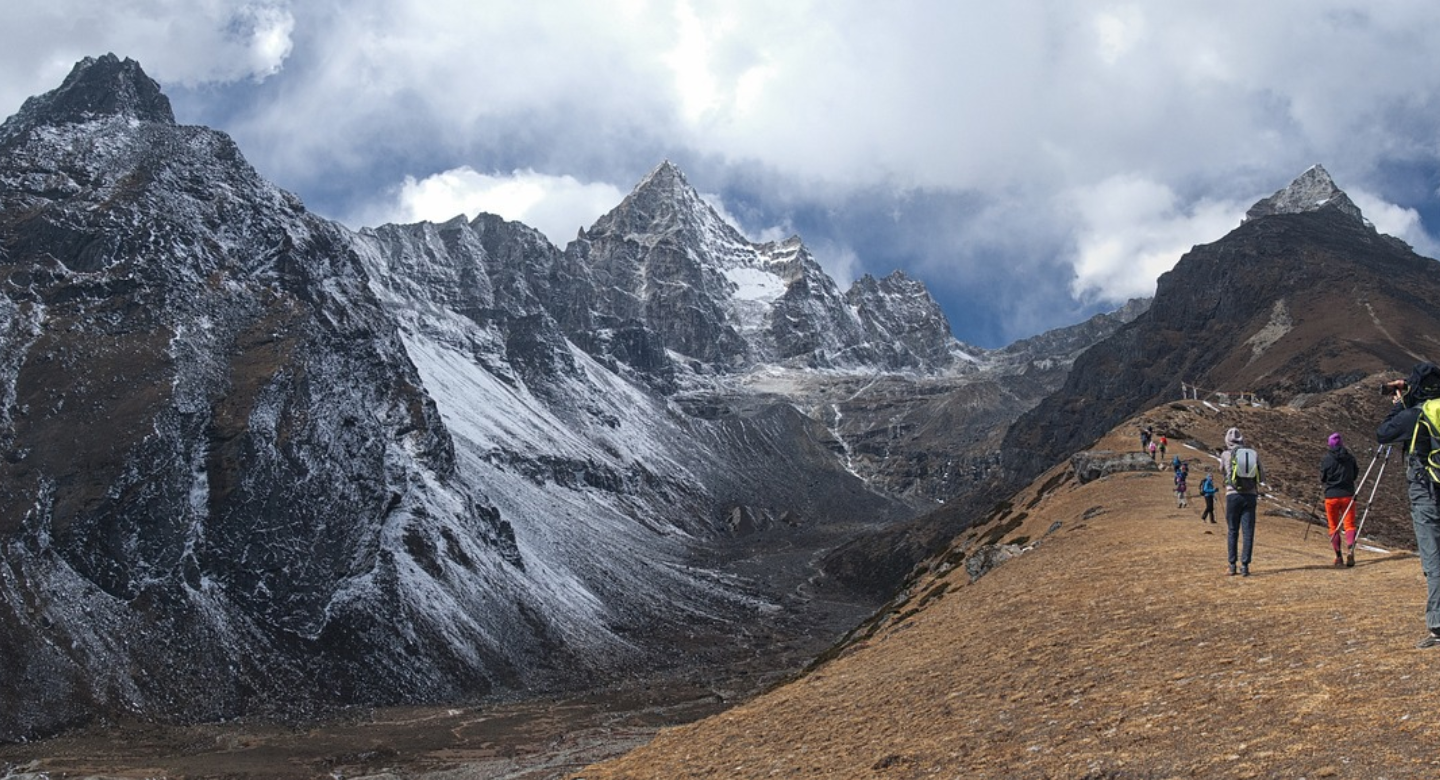
The final principle addresses our relationship with fellow trekkers and local communities. The mountains belong to everyone, and consideration ensures all can enjoy the wilderness experience.
When trekking in Himalayas:
- Yield to others on the trail
- Keep noise levels down
- Let nature’s sounds prevail
- Respect local cultures and practices
- Camp away from trails and other visitors
Many seek solitude and connection with nature in the Himalayas. By practicing courtesy and respect, you enhance the experience for all visitors, demonstrating another aspect of the importance of Leave No Trace principles.
Specific Challenges in the Himalayan Context
The Himalayan environment presents unique challenges that magnify the importance of Leave No Trace principles. Understanding these specific issues helps trekkers adapt general guidelines to this special setting.
High-Altitude Ecosystems and Slow Recovery
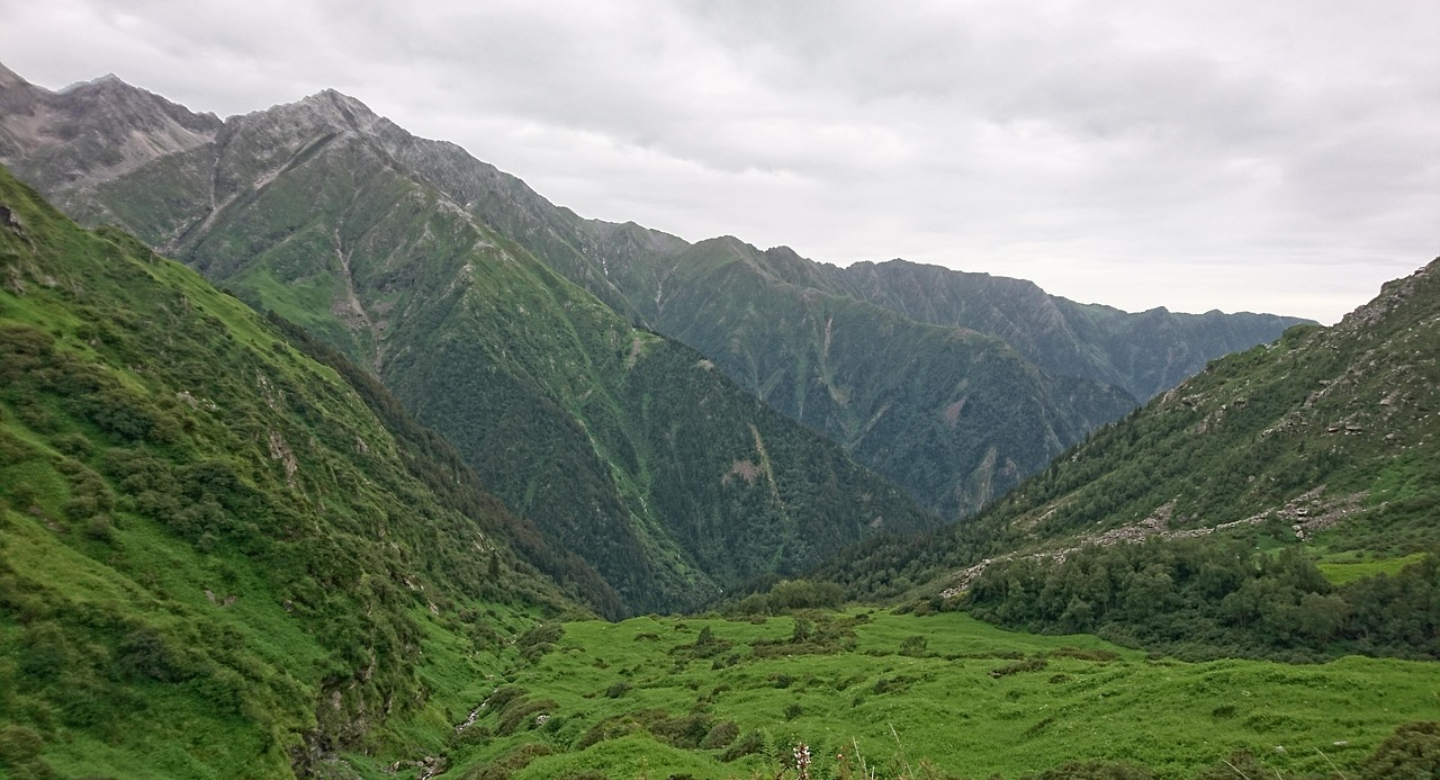
The Himalayan ecosystem functions differently from lower-elevation environments. Plants grow slowly due to the short growing season, cold temperatures, and harsh conditions. What might recover quickly in a temperate forest may take decades or even centuries in the Himalayas.
This slow recovery rate makes practicing Leave No Trace principles in Himalayan treks particularly crucial. Damage to vegetation or soil can persist for generations, fundamentally altering the landscape.
Waste Management at Altitude

Decomposition processes slow dramatically at high altitudes and cold temperatures. Waste that might biodegrade in weeks at sea level can persist for years in the Himalayas.
The growing popularity of trekking in Himalayas has created waste management crises in some regions. Popular routes like Everest Base Camp have gained notoriety for trash problems, with cleanup expeditions removing tons of abandoned gear, oxygen bottles, and other refuse.
The importance of Leave No Trace principles becomes clear when you realize that whatever you leave behind may remain visible and problematic for decades.
Cultural Considerations

Leave No Trace extends beyond environmental impact to respect for local cultures. The Himalayan region is home to diverse ethnic groups with unique traditions and spiritual practices.
Many local communities consider certain mountains sacred. Some areas host monasteries, prayer flags, and religious monuments that deserve reverence. Understanding and respecting these cultural elements is an extension of Leave No Trace principles in Himalayan treks.
Implementing Leave No Trace on Your Himalayan Adventure
Putting Leave No Trace principles into practice requires both knowledge and commitment. Here are practical ways to minimize your impact when trekking in Himalayas.
Pre-Trip Planning and Preparation

The importance of Leave No Trace principles begins long before your boots touch the trail. Thorough preparation reduces your environmental footprint from the start.
Effective planning includes:
- Researching seasonal conditions and crowding
- Selecting appropriate gear for all weather scenarios
- Understanding local regulations and permit requirements
- Planning meals to minimize packaging waste
- Learning basic phrases in local languages
- Hiring guides and porters from reputable companies with fair labor practices
Consider joining an organized trek with operators committed to sustainable practices. Many now emphasize Leave No Trace principles in Himalayan treks as part of their business model.
Sustainable Gear and Equipment Choices
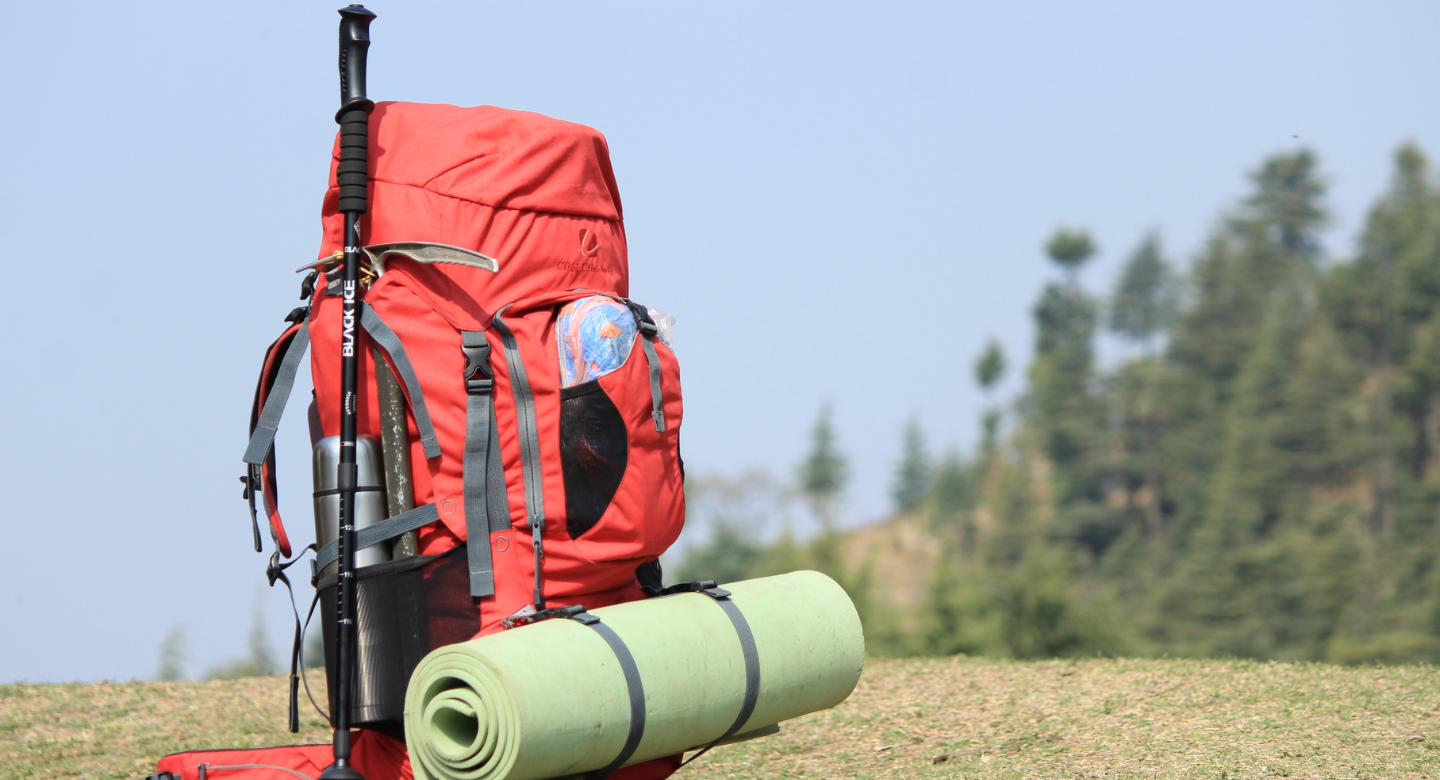
Your gear selections impact your ability to follow Leave No Trace principles. Choose items that are:
- Durable and repairable to avoid disposal in remote areas
- Lightweight to reduce porter loads and transportation impacts
- Multi-purpose to minimize what you bring
- Easy to clean without harsh chemicals
For water purification, consider methods that don’t require single-use bottles or filters. Many trekkers now use UV purifiers or refillable filter systems rather than disposable options.
Responsible Water and Hygiene Practices

Water sources in the Himalayas are increasingly threatened by contamination. The importance of Leave No Trace principles is evident in how we handle our washing and hygiene needs.
Responsible practices include:
- Using biodegradable soap sparingly and away from water sources
- Carrying hand sanitizer to reduce water needed for handwashing
- Using menstrual products designed for backcountry use
- Carrying microfiber towels that dry quickly
- Dispersing grey water widely to prevent concentration
Remember that what goes down the drain in mountain villages often flows directly into streams without treatment. Be mindful of your impact even when staying in lodges.
Food and Cooking Considerations
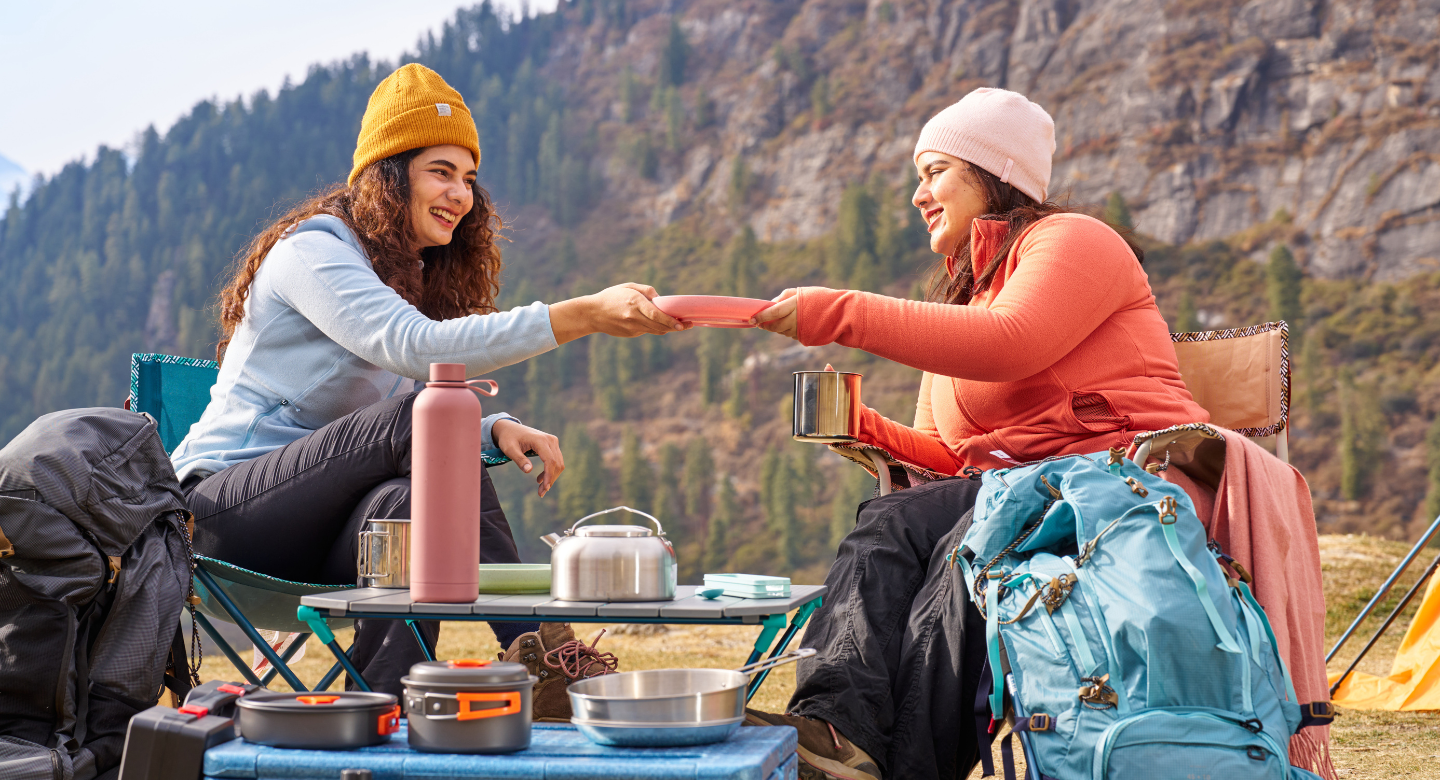
Food practices significantly impact your environmental footprint when trekking in Himalayas. Consider:
- Bringing food with minimal packaging
- Transferring store-bought foods to reusable containers before your trek
- Planning portion sizes carefully to minimize leftover food
- Carrying a dedicated garbage bag for food wrappers and waste
- Learning effective food storage techniques to prevent wildlife access
When using local teahouses or lodges, order only what you’ll eat. Food waste is a growing problem along popular trekking routes, especially as Western-style menus expand.
Supporting Community-Based Conservation
Many Himalayan communities now lead conservation initiatives that align with Leave No Trace principles. Supporting these efforts enhances the effectiveness of your personal practices.
Look for opportunities to:
- Stay in eco-lodges operated by local communities
- Participate in organized cleanup events
- Support restoration projects financially
- Learn about conservation from local perspectives
- Share knowledge respectfully with fellow trekkers
The importance of Leave No Trace principles multiplies when entire communities adopt and promote these practices. Your support encourages broader implementation.
Environmental Impacts of Tourism in the Himalayas
Understanding the current environmental challenges in the Himalayas highlights why Leave No Trace principles in Himalayan treks are not optional but essential.
Waste Accumulation and Management Challenges
Popular trekking areas in the Himalayas face mounting waste problems. The Everest region alone may see thousands of trekkers in a single season, each generating waste daily.
Limited infrastructure for waste removal means trash often accumulates in villages or impromptu dump sites. Some areas now require trekkers to carry out all waste and track compliance through checkpoint systems.
The importance of Leave No Trace principles becomes evident when you see firsthand how waste impacts these once-pristine environments. Practicing “pack it in, pack it out” is no longer just good ethics—it’s necessary for the ecosystem’s survival.
Deforestation and Fuel Issues
Lodges and teahouses along trekking routes require substantial fuel for cooking and heating. In regions without road access, wood harvesting leads to significant deforestation, particularly around popular trekking villages.
Many areas have transitioned to alternative fuels, but challenges remain. When trekking in Himalayas, consider:
- Lodges using solar power or efficient stoves
- Accepting colder room temperatures to reduce fuel consumption
- Ordering dishes that require less cooking fuel
- Supporting reforestation initiatives
Your choices as a trekker directly impact local resource use patterns and forest health.
Water Pollution Concerns
Clean water sources are increasingly threatened in the Himalayas. Human waste, detergents, and trash contaminate streams that local communities depend on for drinking and irrigation.
Leave No Trace principles in Himalayan treks address water protection through proper waste disposal and hygiene practices. Following these guidelines helps preserve water quality for downstream users and aquatic ecosystems.
The Future of Sustainable Trekking in the Himalayas
The importance of Leave No Trace principles will only grow as climate change and increasing tourism impact the Himalayan region. Forward-thinking approaches can help ensure these principles evolve to meet emerging challenges.
Climate Change Adaptations
Climate change affects the Himalayan environment through glacial retreat, changing precipitation patterns, and shifting ecosystems. Leave No Trace practices may need adaptation as conditions change.
For example:
- Established campsites may become unsuitable as water sources dry up
- Trail routes may require adjustment to avoid newly hazardous areas
- Previously resilient areas may become more fragile
Staying informed about changing conditions helps you apply Leave No Trace principles effectively when trekking in Himalayas during this period of rapid environmental change.
Technology and Innovation
New technologies are making Leave No Trace principles in Himalayan treks easier to implement. Innovations include:
- Lightweight, efficient water purification systems
- Solar-powered devices reducing battery waste
- Biodegradable materials for essential products
- GPS systems reducing the need for physical trail markers
- Apps providing up-to-date information on trail conditions
Embracing appropriate technology helps reduce your impact while maintaining safety and enjoyment.
Education and Advocacy
Spreading awareness about the importance of Leave No Trace principles creates a community of responsible trekkers. Consider how you might:
- Share your knowledge with trekking companions
- Respectfully model good practices for others
- Support guide training programs in Leave No Trace principles
- Advocate for policies that protect Himalayan environments
Education transforms individual practice into collective action, multiplying the positive impact of Leave No Trace principles.
Conclusion: Your Role in Preserving the Himalayas
The importance of Leave No Trace principles extends beyond our individual treks. When we practice these principles consistently, we become part of a larger movement toward sustainable outdoor recreation.
Trekking in Himalayas offers transformative experiences that can deepen our connection to nature. This connection often inspires greater environmental awareness and commitment. By practicing Leave No Trace principles in Himalayan treks, you help preserve these opportunities for future generations.
The fragile beauty of the Himalayas deserves our utmost care and respect. Each trekker who embraces Leave No Trace principles contributes to the protection of this irreplaceable mountain ecosystem. Your choices matter—both in what you do and what you inspire others to do.
As you plan your Himalayan adventure, commit to making the importance of Leave No Trace principles central to your experience. The mountains have stood for millions of years, but their ecological health now depends partly on our willingness to tread lightly and respectfully through their majestic terrain.
By embracing these principles, we honor both the natural environment and the cultures that have called these mountains home for centuries. We become not just visitors but stewards of one of Earth’s most precious landscapes.
Explore More Such Blogs
Essential Hygiene Tips for Women Trekkers
Do’s and Don’ts for a Sustainable Trekking Experience
Frequently Asked Questions (FAQs) About The Importance of Leave No Trace Principles in Himalayan Treks
What are the seven Leave No Trace principles for Himalayan trekking?
The seven principles are: Plan Ahead and Prepare, Travel and Camp on Durable Surfaces, Dispose of Waste Properly, Leave What You Find, Minimize Campfire Impact, Respect Wildlife, and Be Considerate of Other Visitors.
Why is waste management particularly challenging in the Himalayas?
Decomposition processes slow dramatically at high altitudes and cold temperatures. Waste that might biodegrade in weeks at sea level can persist for years in the Himalayas, creating long-lasting environmental impacts.
How should I handle human waste when trekking in remote Himalayan areas?
Use designated toilet facilities where available. If unavailable, dig a cathole 6-8 inches deep at least 200 feet from water sources. In some high-altitude areas, you may be required to pack out all human waste using special bags.
Are campfires recommended during Himalayan treks?
No, campfires are generally discouraged in the Himalayas due to limited firewood resources and slow tree growth at high altitudes. Use lightweight camping stoves instead, and many areas now prohibit campfires entirely.
How can I respect local cultures while trekking in the Himalayas?
Research local customs before your trip, learn basic phrases in local languages, respect religious sites and practices, ask permission before photographing people, and support community-based tourism initiatives.
What should I consider when planning meals for a Himalayan trek?
Choose foods with minimal packaging, transfer store-bought items to reusable containers, plan portions carefully to minimize waste, and consider the cooking fuel impact when staying at teahouses or lodges.
How can I minimize my impact when staying in teahouses or lodges?
Choose establishments using sustainable practices, accept cooler room temperatures to reduce fuel consumption, order dishes requiring less cooking fuel, practice water conservation, and properly dispose of all waste.
Why is staying on established trails especially important in the Himalayas?
Himalayan vegetation grows extremely slowly due to harsh conditions and short growing seasons. Damage from off-trail travel can persist for decades or even centuries, fundamentally altering the landscape.
What gear choices help support Leave No Trace principles?
Choose durable, repairable equipment to avoid disposal in remote areas, lightweight items to reduce porter loads, multi-purpose gear to minimize what you bring, and sustainable water purification methods that don’t create waste.
How does climate change affect Leave No Trace practices in the Himalayas?
Climate change is causing glacial retreat, changing precipitation patterns, and shifting ecosystems in the Himalayas. This may require adapting established practices as previously resilient areas become more fragile and trail conditions change.