Tips to choose trekking shoes can make or break your outdoor adventure. While regular sports shoes might work for gym sessions, they fall short on rugged mountain trails. Proper footwear becomes your foundation for trekking safety, comfort, and peak performance.
Imagine climbing steep Himalayan paths with shoes that slip on wet rocks. The wrong footwear choice can turn your dream trek into a nightmare. Quality trekking shoes provide the grip, support, and protection you need for challenging terrain.
This comprehensive guide will help you understand what makes great trekking footwear. We’ll explore key features that separate ordinary shoes from adventure-ready gear.
Why You Should Switch from Sports Shoes to Trekking Shoes

Regular running shoes aren’t designed for outdoor adventures. They lack the durability and specialized features needed for rough terrain. Most sports shoes have smooth soles that become dangerously slippery on wet rocks.
Limitations of Regular Sports Shoes
Sports shoes work perfectly for paved surfaces and controlled environments. However, they fail miserably when faced with:
- Poor traction – Smooth rubber soles can’t grip uneven surfaces effectively
- Weak construction – Lightweight materials tear easily on sharp rocks
- Limited ankle support – Low-cut designs leave ankles vulnerable to injury
- No weather protection – Breathable mesh allows water and debris inside
Benefits of Specialized Trekking Footwear
Best trekking shoes for beginners offer features that regular shoes simply can’t match. These specialized boots provide superior grip through deep tread patterns. They also offer ankle support that prevents painful sprains on uneven ground.
Trekking shoes use durable materials that withstand rough treatment. Their reinforced construction handles rocky terrain without falling apart. Weather-resistant designs keep your feet dry during stream crossings and rain showers.
Real Risks of Wrong Footwear Choices
Using inappropriate shoes on treks leads to serious consequences. Slippery soles cause dangerous falls that can end your adventure early. Poor support results in ankle injuries that take weeks to heal.
Inadequate protection allows blisters and cuts to develop quickly. Wet feet become breeding grounds for fungal infections. These problems transform enjoyable treks into painful ordeals.
Four Key Factors to Consider When Choosing Trekking Shoes

Smart trekkers focus on four essential features when selecting footwear. These critical elements determine whether your shoes will support or sabotage your adventure. Let’s examine each factor that influences your trekking gear essentials selection.
3.1 Sole Design and Grip
The sole design makes the biggest difference in trekking performance. Deep grooves cut into rubber create channels that bite into soft surfaces. These patterns prevent dangerous slips on muddy trails and wet rocks.
Quality trekking soles use specialized rubber compounds that maintain grip in various conditions. The tread depth should be at least 5mm for adequate traction. Flexible soles adapt to uneven surfaces better than rigid designs.
Key sole features to look for:
- Deep, aggressive tread patterns for maximum grip
- Flexible construction that bends with your foot movement
- Durable rubber compounds that resist wear and tear
- Self-cleaning lugs that shed mud and debris automatically
Proper grip prevents falls and builds confidence on challenging terrain. Your feet stay planted firmly even on steep descents. This stability lets you focus on enjoying the scenery instead of worrying about slipping.
3.2 Ankle Support for Injury Prevention
Ankle injuries rank among the most common trekking accidents. Uneven terrain creates countless opportunities for awkward foot placement. High-cut trekking boots wrap around your ankle joint for crucial protection.
This support system works like a gentle brace that guides natural movement. It prevents excessive rolling or twisting that damages ligaments. The additional stability helps you navigate rocky sections with confidence.
Benefits of proper ankle support:
- Reduces sprain risk by limiting dangerous ankle movement
- Provides stability on loose rocks and uneven surfaces
- Helps maintain balance during challenging maneuvers
- Prevents fatigue by supporting proper walking mechanics
Best trekking shoes for beginners typically feature mid-cut or high-cut designs. These styles offer more protection than low-cut alternatives. The extra coverage shields ankles from rocks and thorny vegetation.
3.3 Water Resistance for Harsh Weather

Mountain weather changes quickly and unpredictably. Morning sunshine can turn into afternoon downpours within hours. Water-resistant footwear protects against these challenging conditions.
Hiking shoes for Himalayas must handle extreme weather variations. These regions experience rain, snow, and stream crossings regularly. Waterproof membranes keep feet dry while allowing moisture to escape.
Dry feet prevent numerous problems that plague trekkers:
- Blisters – Wet skin becomes soft and tears easily against shoe materials
- Cold injuries – Wet feet lose heat rapidly in cold conditions
- Fungal infections – Moist environments encourage bacteria and fungus growth
- Discomfort – Soggy socks create unpleasant hiking experiences
Look for shoes with waterproof-breathable membranes like Gore-Tex. These materials block external moisture while allowing sweat to escape. Sealed seams prevent water from sneaking through stitching holes.
3.4 Correct Sizing to Protect Toes
Proper sizing represents one of the most crucial tips to choose trekking shoes effectively. Trekking shoes should fit differently than regular footwear. Most experts recommend buying boots one full size larger than your normal shoe size.
During long descents, gravity pulls your foot forward inside the boot. This sliding motion can cause serious toe damage if shoes fit too snugly. Bruised toenails and painful blisters develop quickly in cramped conditions.
Sizing guidelines for trekking footwear:
- Choose boots one size larger than your regular shoe size
- Ensure thumb-width space between longest toe and boot front
- Try on boots wearing the same sock thickness you’ll use trekking
- Test fit in the afternoon when feet are naturally more swollen
Proper sizing also prevents other common problems. Adequate toe room reduces pressure points that cause hot spots. The extra space accommodates foot swelling during long hiking days.
Practical Advice for Himalayan Treks
The Himalayas present some of the world’s most challenging trekking conditions. These mountain ranges demand specialized footwear that can handle extreme situations. Hiking shoes for Himalayas must perform in ways that regular boots cannot.
Why Himalayan Terrain Requires Special Footwear
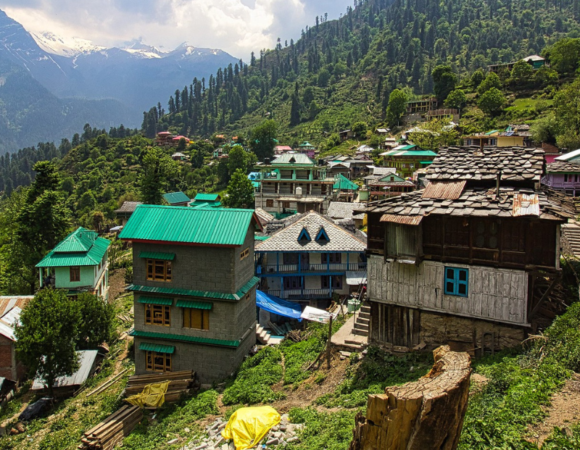
Himalayan trails combine multiple challenging elements in single treks. Trekkers encounter steep rocky sections, muddy paths, and snow-covered passes. Stream crossings become daily occurrences in many regions.
Altitude adds another complication that affects footwear performance. Thin air makes every step more demanding on your cardiovascular system. Heavy, poorly designed boots increase fatigue significantly at high elevations.
Case Examples of Himalayan Challenges
Steep descents test your footwear’s braking ability and toe protection. Loose scree slopes require aggressive tread patterns for control. Poor traction here can cause dangerous falls down mountainsides.
Stream crossings happen multiple times daily on popular routes. Water-resistant boots keep feet dry and warm during these crossings. Wet feet at high altitude can quickly lead to serious cold injuries.
Snow patches appear unexpectedly even during warmer months. Ice hidden under snow creates treacherous walking conditions. Quality trekking boots provide the grip needed for safe passage.
Long-term Investment Benefits
Quality trekking gear essentials represent investments in safety and comfort. Well-made boots last for years of regular use. Their superior construction withstands harsh treatment that destroys cheaper alternatives.
The initial cost seems high compared to regular shoes. However, the per-use cost becomes minimal when spread across hundreds of hiking days. Quality boots also prevent expensive medical bills from preventable injuries.
Additional Tips for Selecting Trekking Shoes
Smart shopping involves more than just picking the right features. These practical tips to choose trekking shoes help ensure your purchase meets expectations. Proper testing and preparation make the difference between success and disappointment.
How to Test Trekking Shoes Before Buying
Never buy trekking boots without trying them on first. Visit stores in the afternoon when your feet are naturally swollen. This timing mimics conditions during actual hiking when feet expand.
Testing checklist for potential purchases:
- Walk around the store for at least 10 minutes wearing the boots
- Test on inclined surfaces if the store provides ramps
- Check for pressure points or uncomfortable rubbing
- Ensure your heel doesn’t lift when walking uphill
- Verify adequate toe room when going downhill
Bring your actual trekking socks when trying on boots. Sock thickness significantly affects fit and comfort. Many stores provide test socks, but your own socks give more accurate results.
Breaking In Shoes Before the Trek
New boots need gradual conditioning before serious use. Start wearing them for short walks around your neighborhood. Gradually increase distance and difficulty as the boots conform to your feet.
Breaking-in schedule:
- Week 1: 30-minute neighborhood walks daily
- Week 2: 1-hour walks on varied terrain
- Week 3: Half-day hikes with full gear
- Week 4: Full-day practice hikes
This process identifies potential problems while you can still return boots. It also allows your feet to adapt to the new footwear gradually. Proper break-in prevents painful surprises during actual treks.
Pairing with Quality Trekking Socks
The best boots perform poorly with inadequate socks. Invest in moisture-wicking materials like merino wool or synthetic blends. These fabrics keep feet dry and reduce friction between skin and boot materials.
Consider wearing liner socks under regular hiking socks. This two-sock system reduces friction and prevents blisters effectively. The thin inner sock moves against the thicker outer sock instead of your skin.
Common Mistakes to Avoid
Even experienced hikers make footwear mistakes that compromise their adventures. Learning from others’ errors saves money and prevents painful experiences. These common pitfalls catch many trekkers off guard.
Buying Cheap, Low-Quality Shoes
Budget boots might seem like smart financial choices initially. However, they often fail when you need them most. Cheap construction uses inferior materials that break down quickly under stress.
Poor-quality boots cause more problems than they solve:
- Soles separate from uppers during challenging sections
- Waterproof coatings fail after minimal exposure
- Inadequate support leads to foot and leg pain
- Rapid wear requires frequent expensive replacements
Investing in quality best trekking shoes for beginners saves money long-term. These boots last for years and perform consistently in challenging conditions.
Choosing Fashion Over Functionality
Some trekkers prioritize appearance over performance when selecting boots. Stylish designs might look great in photos but fail on actual trails. Function should always take priority over fashion in outdoor gear.
Focus on features that enhance safety and comfort. Bright colors and trendy designs won’t help when you’re struggling on difficult terrain. Choose boots based on performance specifications rather than visual appeal.
Ignoring Weather and Trek Difficulty
Different adventures require different footwear approaches. Weekend nature walks need less aggressive boots than multi-day mountain expeditions. Consider your typical hiking conditions when making purchases.
Hiking shoes for Himalayas require different features than desert trekking boots. Cold, wet conditions demand waterproof construction and insulation. Hot, dry climates need maximum breathability and lighter weight.
Match your footwear investment to your actual hiking ambitions. Occasional day hikers don’t need the same gear as serious mountaineers. However, don’t underestimate your future hiking goals when making decisions.
Invest once, trek safely for years
The four essential tips to choose trekking shoes focus on sole design, ankle support, water resistance, and proper sizing. These features form the foundation of safe, comfortable hiking experiences. Quality footwear transforms challenging trails into enjoyable adventures.
Remember that trekking boots represent investments in your safety and enjoyment. Well-chosen trekking gear essentials serve you faithfully for years of adventures. The right boots prevent injuries while enhancing your outdoor experiences significantly.
Don’t compromise on footwear quality when planning your next adventure. Your feet carry you through every step of your journey. Give them the support and protection they deserve with properly chosen trekking shoes.
Explore More
Trekking Shoes vs Sport Shoes: Which One is Best for Your Trek?
11 Best Trekking Shoes In India: Tips, Budget Shoes & FAQ’s
How to Take Care of Your Trekking Shoes: A Simple Guide
Frequently Asked Questions (FAQs)- Tips to Choose Trekking Shoes
What are the best trekking shoes for beginners who have never hiked before?
Best trekking shoes for beginners should prioritize comfort and forgiveness over advanced features. Look for mid-cut boots with moderate ankle support and cushioned midsoles. Brands like Merrell, Columbia, and Keen offer excellent entry-level options. Choose waterproof models with deep tread patterns for versatility across different terrains.
Which hiking shoes for Himalayas work best in high-altitude conditions?
Hiking shoes for Himalayas must handle extreme cold, snow, and rocky terrain effectively. Insulated boots with aggressive tread patterns work best above 3,000 meters. Look for models with crampon compatibility for technical sections. Brands like La Sportiva, Scarpa, and Salomon offer specialized high-altitude trekking boots.
What trekking gear essentials should I pack along with my hiking boots?
Essential trekking gear essentials complement your footwear for complete protection. Pack moisture-wicking socks, gaiters to keep debris out, and blister prevention tape. Include spare laces, waterproof boot treatment, and lightweight camp shoes for rest stops. Quality trekking poles also reduce stress on your feet and boots.
How do I know if my trekking shoes fit properly for long hikes?
Proper fitting best trekking shoes for beginners should have thumb-width space between your longest toe and boot front. Your heel shouldn’t lift when walking uphill. Test boots wearing your actual hiking socks in the afternoon when feet are swollen. Walk around the store for at least 15 minutes to identify pressure points.
Are expensive hiking shoes for Himalayas worth the investment for occasional trekkers?
Quality hiking shoes for Himalayas justify their cost through durability and performance. Even occasional trekkers benefit from proper foot protection and comfort. Expensive boots prevent costly medical bills from injuries. However, match your investment to your hiking frequency and terrain difficulty. Weekend hikers don’t need mountaineering-grade boots.
What trekking gear essentials help break in new hiking boots safely?
Essential trekking gear essentials for break-in include quality hiking socks and moleskin padding. Start with 30-minute neighborhood walks wearing your new boots. Gradually increase distance over 2-3 weeks. Use blister prevention tape on known hot spots. Always break in boots completely before attempting serious treks.
Can I use the same trekking shoes for different seasons and terrains?
Best trekking shoes for beginners often work across multiple seasons with proper care. However, specialized conditions require specific footwear. Summer desert hiking needs breathable, lightweight boots. Winter mountain conditions require insulated, waterproof models. Invest in versatile three-season boots for most hiking situations.
How do I maintain my hiking shoes for Himalayas between trekking trips?
Proper maintenance extends your hiking shoes for Himalayas lifespan significantly. Clean boots thoroughly after each use, removing dirt and debris. Air dry completely before storage, never using direct heat. Treat leather regularly with appropriate conditioners. Store in cool, dry places away from direct sunlight. Replace worn laces and insoles as needed.
What are the most important trekking gear essentials for foot care during long hikes?
Critical trekking gear essentials for foot care include moisture-wicking liner socks and cushioned hiking socks. Pack blister treatment supplies like moleskin and medical tape. Include foot powder to prevent fungal infections. Carry backup socks for emergency changes. Lightweight camp shoes give your feet relief during rest stops.
Should beginners invest in premium trekking shoes or start with budget options?
Best trekking shoes for beginners should balance quality with reasonable cost. Avoid extremely cheap options that compromise safety and comfort. Mid-range boots from reputable brands offer excellent performance without premium prices. Consider your hiking commitment level when deciding. Serious beginners benefit from investing in quality footwear immediately.