Choosing the right trekking agency can make or break your mountain adventure. This guide covers essential factors like safety standards, trek comparison, leader expertise, and costs to help you select the best trekking company for an unforgettable experience.
Why Your Trekking Agency Choice Matters
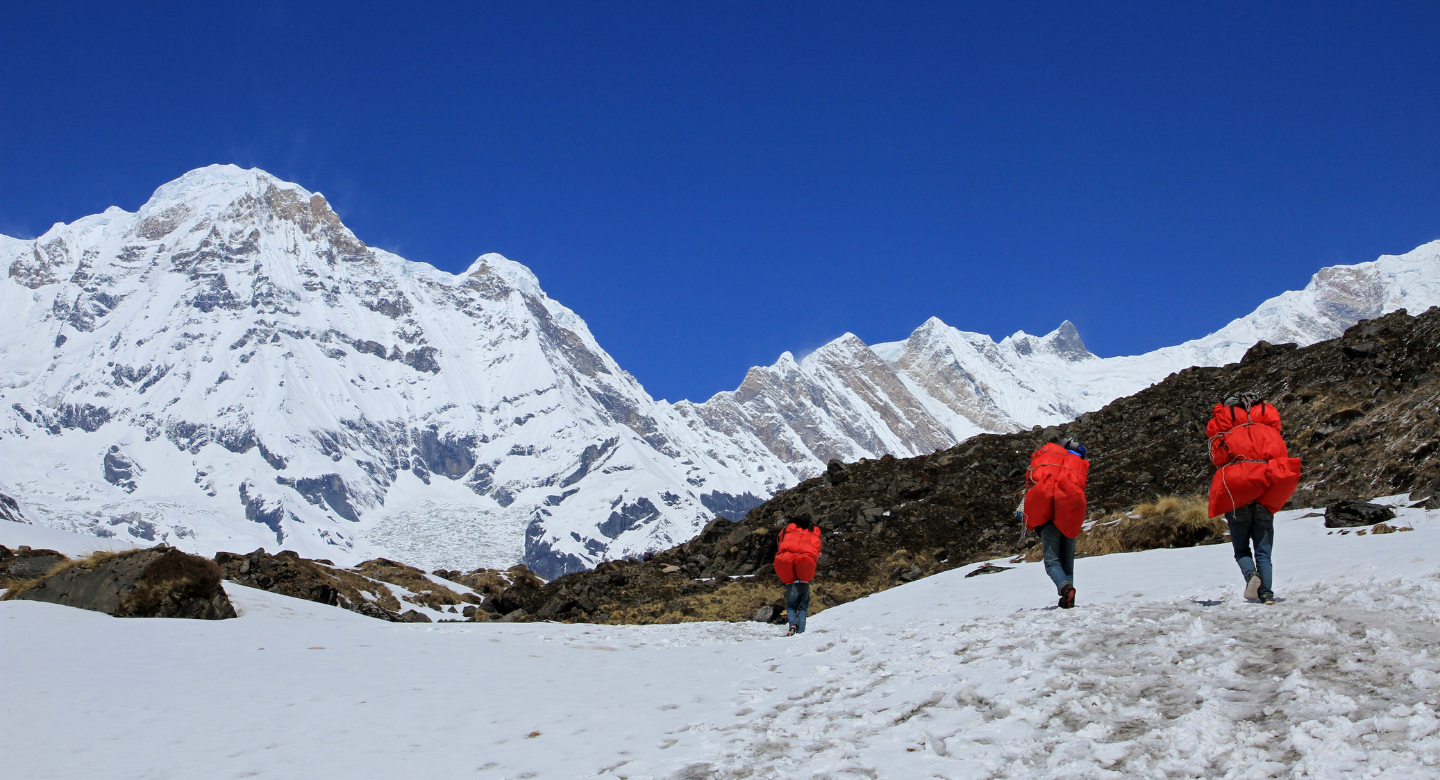
A trekking agency does more than just book your trip. They ensure your safety, comfort, and overall experience in the mountains. The wrong choice can lead to poorly organized logistics, inexperienced guides, or safety compromises. Conversely, the best trekking company transforms your journey into a seamless adventure filled with memorable moments.
With countless operators offering similar packages, making an informed decision requires careful evaluation. From comparing trek options to assessing leader qualifications, every detail matters. This comprehensive guide walks you through the critical considerations that will help you choose wisely and trek confidently.
Understanding Your Trekking Goals
Before selecting a trekking agency, clarify what you want from your adventure. Different treks suit different goals and fitness levels.
Define Your Experience Level
Are you a beginner seeking your first mountain experience? Or are you an experienced trekker looking for challenging high-altitude routes? Your experience level directly influences which trek and agency will suit you best.
Beginners should look for agencies offering easier, well-supported treks with gradual acclimatization. Experienced trekkers might prefer operators specializing in technical routes or remote destinations.
Consider Your Fitness and Health
Mountain trekking demands physical preparation. Assess your current fitness level honestly. Most reputable agencies provide fitness requirements for each trek, helping you make realistic choices.
If you have any health conditions, discuss them with potential agencies beforehand. The best trekking company will provide honest advice about suitable options rather than pushing inappropriate treks.
Determine Your Budget Range
Trekking costs vary significantly based on destination, duration, and service level. Establish a realistic budget early in your planning process.
Remember that the cheapest option isn’t always the best value. Quality safety equipment, experienced guides, and proper permits cost money. A slightly higher investment often delivers substantially better experiences.
Researching Trekking Agencies
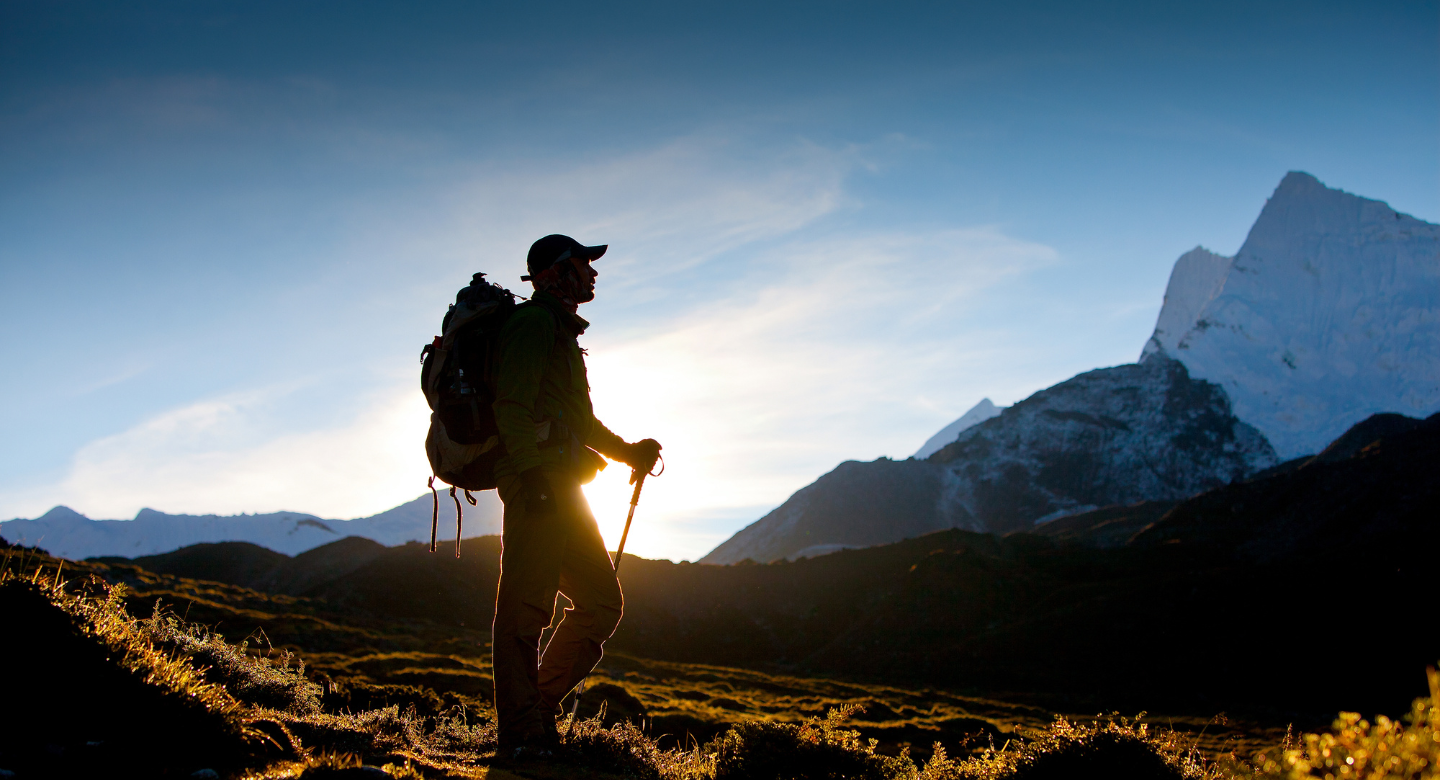
Thorough research separates exceptional operators from mediocre ones. Invest time in evaluating multiple companies before committing.
Check Online Reviews and Testimonials
Read reviews across multiple platforms like Google, TripAdvisor, and specialized trekking forums. Look for patterns in feedback rather than isolated comments.
Pay attention to how agencies respond to negative reviews. Professional, constructive responses indicate a company that values customer satisfaction and continuous improvement.
Verify Certifications and Licenses
Legitimate trekking agencies hold proper licenses and certifications from relevant authorities. These credentials demonstrate compliance with safety and operational standards.
Ask potential agencies about their registrations, insurance coverage, and membership in trekking associations. Don’t hesitate to request proof of these credentials.
Assess Their Track Record
How long has the agency been operating? Experience matters significantly in mountain environments where conditions change rapidly.
Established agencies have refined their operations over years of practical experience. They’ve developed relationships with local communities and understand regional challenges intimately.
Evaluating Trek Options Through Trek Comparison
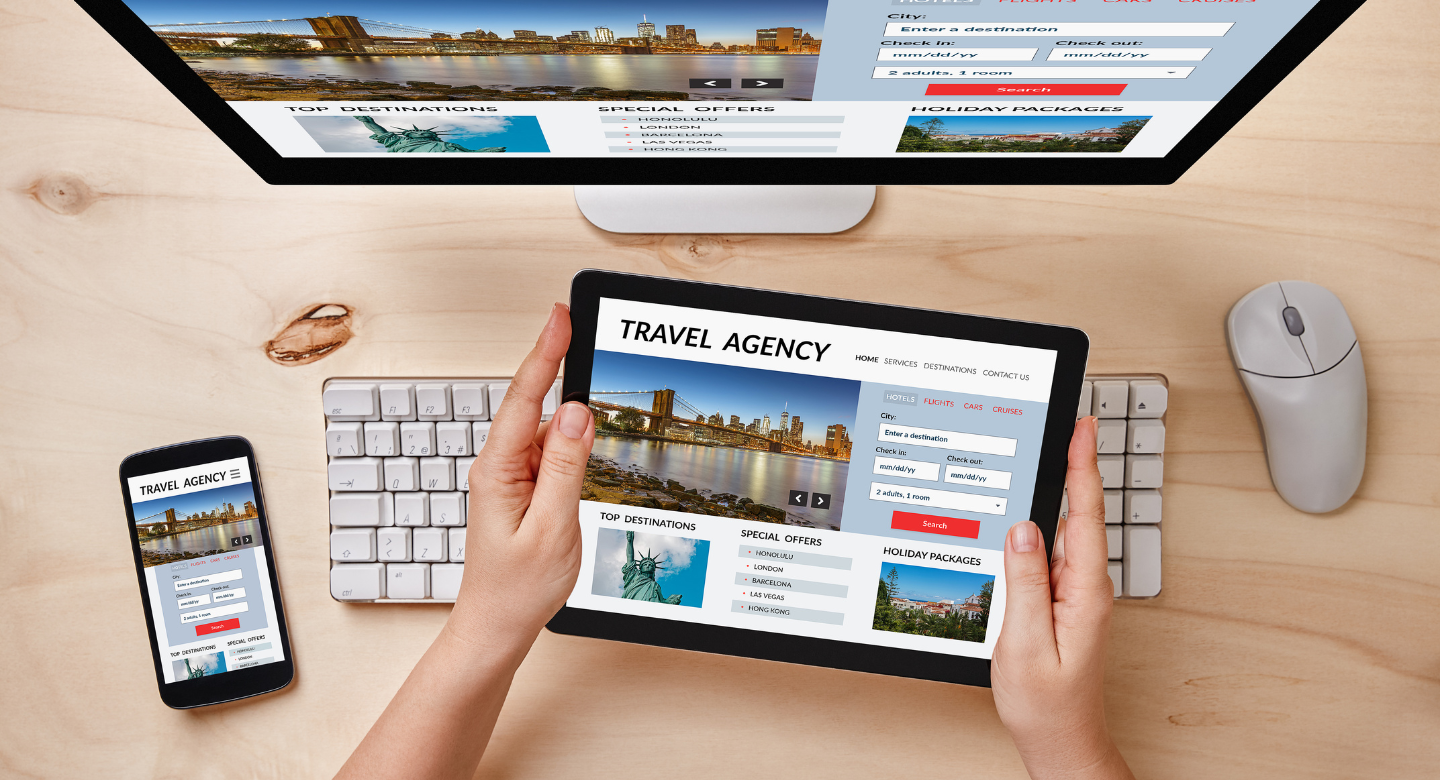
A thorough trek comparison helps you understand what different routes and agencies offer. Not all treks are created equal.
Compare Itineraries and Routes
Examine detailed itineraries from multiple agencies for the same trek. Notice differences in pacing, acclimatization days, and daily distances.
Some agencies rush itineraries to reduce costs, compromising safety and enjoyment. Quality operators build in adequate rest days and flexible scheduling for weather or health issues.
Analyze Difficulty Ratings
Difficulty ratings should be clear and realistic. When doing a trek comparison, check if agencies provide detailed information about elevation gain, terrain type, and technical requirements.
Reputable companies offer honest assessments rather than downplaying challenges to attract bookings. They want you properly prepared for success.
Review Accommodation and Meal Options
Where will you sleep—tents, teahouses, or lodges? What meals are included, and how are dietary restrictions handled?
These details significantly impact your comfort and budget. The best trekking company clearly outlines what’s included and offers options to suit different preferences.
Assessing Trek Leader Quality
Your trek leader can make or break your mountain experience. They’re responsible for your safety, navigation, and overall journey quality.
Verify Guide Qualifications and Training
Ask about guide certifications, wilderness first aid training, and mountaineering qualifications. Professional trek leaders hold recognized credentials and participate in ongoing training.
Experienced guides possess both technical skills and local knowledge. They understand mountain weather patterns, altitude sickness symptoms, and emergency protocols.
Understand the Guide-to-Trekker Ratio
What’s the ratio of guides and support staff to trekkers? Smaller groups with adequate staff ratios receive better attention and support.
Industry standards suggest one guide per 8-10 trekkers for moderate treks. Technical or challenging routes require even lower ratios for safety.
Check Language Proficiency
Effective communication is crucial on the trail. Ensure your trek leader speaks your language fluently or that translation services are available.
Misunderstandings about route changes, weather conditions, or health issues can have serious consequences. Clear communication prevents problems and enhances your experience.
Safety Standards and Protocols
Safety should never be compromised. The best trekking company prioritizes trekker wellbeing above profits.
Emergency Evacuation Plans
Does the trekking agency have clear evacuation protocols? Ask about helicopter rescue arrangements, evacuation insurance, and communication systems on the trail.
Reputable operators carry satellite phones or radios in remote areas. They have established relationships with rescue services and medical facilities.
First Aid and Medical Support
Guides should carry comprehensive first aid kits and know how to use them. Ask about their training in altitude sickness recognition and wilderness emergency response.
Some agencies include medical professionals on challenging treks. This extra support can be invaluable when trekking at extreme altitudes.
Equipment Quality and Maintenance
If the agency provides equipment, inspect its quality. Worn or inadequate gear poses safety risks and diminishes comfort.
Tents should be weather-appropriate, sleeping bags rated for expected temperatures, and technical equipment properly maintained. Quality gear reflects an agency’s commitment to trekker safety.
Understanding Costs and Value
Price comparison is important, but the cheapest option often cuts corners that matter. Understand what you’re paying for.
What’s Included in the Package
Get detailed breakdowns of inclusions and exclusions. Are permits, meals, accommodation, guide fees, and transportation all covered?
Hidden costs frustrate trekkers and strain budgets. Transparent trekking agencies provide comprehensive pricing information upfront, helping you make informed decisions.
Payment Terms and Cancellation Policies
Understand deposit requirements, payment schedules, and refund policies. Life happens, and flexible cancellation terms provide peace of mind.
Read the fine print carefully. Some agencies charge significant cancellation fees, while others offer more reasonable terms with adequate notice.
Group vs. Private Trek Pricing
Group treks cost less per person but follow fixed schedules. Private treks offer flexibility and personalized attention at higher prices.
Consider your preferences and budget when comparing options. Some agencies offer small group departures that balance cost and intimacy.
Sustainability and Responsible Trekking
Ethical considerations matter. Choose a trekking agency committed to environmental protection and community benefit.
Environmental Practices
Does the agency follow Leave No Trace principles? Ask about their waste management, fuel use, and trail conservation efforts.
Responsible operators minimize environmental impact through proper waste disposal, supporting reforestation projects, and educating trekkers about conservation.
Porter and Staff Welfare
How does the agency treat its porters and staff? Fair wages, appropriate loads, proper equipment, and insurance coverage indicate ethical practices.
Some agencies are certified by organizations that monitor porter treatment standards. Supporting ethical operators protects vulnerable workers in the trekking industry.
Community Engagement
Does the best trekking company contribute to local communities? This might include using local guides, sourcing supplies locally, or supporting community development projects.
Sustainable tourism benefits both trekkers and mountain communities. Your choice of agency can make a positive difference.
Pre-Trek Support and Communication
Quality agencies support you before you even hit the trail. Good communication indicates how they’ll perform during your trek.
Pre-Departure Information
Comprehensive pre-trek information packages demonstrate professionalism. These should cover packing lists, fitness preparation, vaccination requirements, and travel logistics.
The trekking agency should answer questions promptly and thoroughly. Delayed or vague responses suggest poor organizational skills.
Training and Preparation Guidance
Does the agency provide fitness training advice? Some operators offer training plans or recommend preparation programs.
Proper preparation increases your chances of successfully completing and enjoying your trek. Agencies invested in your success provide robust preparation support.
Equipment Rental Options
If you don’t own specialized gear, does the agency offer quality rentals? This service is particularly valuable for expensive items like sleeping bags or trekking poles.
Inspect rental equipment quality when possible. Well-maintained gear reflects overall operational standards.
Making Your Final Decision
After researching and comparing options, trust your instincts alongside practical considerations.
Trust Your Gut Feeling
Beyond facts and figures, how do you feel about the agency? Are they responsive, professional, and genuinely interested in your needs?
If something feels off during initial interactions, it probably won’t improve on the trail. Choose operators who inspire confidence and trust.
Ask Questions and Seek Clarifications
Don’t hesitate to ask detailed questions. Professional agencies welcome inquiries and provide clear, comprehensive answers.
Topics worth clarifying include itinerary flexibility, altitude sickness protocols, equipment specifications, and what happens if weather forces route changes.
Read the Contract Carefully
Before signing, read every clause of the contract. Understand your obligations and the agency’s commitments.
If anything seems unclear or concerning, seek clarification or legal advice. A good contract protects both parties and prevents disputes.
Your Perfect Trek Awaits
Choosing the right trekking agency requires careful research, thoughtful trek comparison, and honest self-assessment. The best trekking company balances safety, experience, sustainability, and value. Your trek leader and support team become your mountain family. They guide you through challenges and celebrate achievements alongside you. Investing time in selecting the right agency pays dividends throughout your journey.
Don’t rush this decision. Compare options thoroughly, verify credentials, and trust your judgment. The mountains will still be there when you’re ready.With the right preparation and agency partnership, your trekking adventure will create memories that last a lifetime. Start your research today, ask the right questions, and prepare for the journey of a lifetime.
Explore More
AI-Powered Trek Planning: The Future of Adventure Travel
Best Treks in Meghalaya: Explore the Abode of Clouds on Foot
Frequently Asked Questions (FAQs) on Trek and Trek Agency
How do I verify if a trekking agency is legitimate?
Check for valid licenses, certifications from trekking associations, and registration with relevant tourism authorities. Read multiple online reviews and verify their physical office address.
What’s the ideal group size for a trek?
Groups of 8-12 people offer a good balance between social interaction and personalized attention. Smaller groups provide more flexibility and closer guide attention.
Should I book directly with a local agency or through an international operator?
Local agencies often cost less and benefit local communities directly. International operators may offer more comprehensive support and easier pre-trip communication in your language.
How far in advance should I book my trek?
Book 3-6 months ahead for popular treks during peak seasons. This ensures availability and gives you adequate preparation time.
What questions should I ask about the trek leader?
Ask about their experience, certifications, first aid training, language skills, and familiarity with the specific route you’re considering.
Are cheaper trekking packages worth considering?
Extremely cheap packages often cut corners on safety, guide experience, or staff welfare. Choose mid-range options that balance cost with quality and ethics.
What should be included in a trekking package?
Standard inclusions are permits, guide fees, accommodation, meals on the trail, airport transfers, and sometimes equipment. Verify exactly what’s covered before booking.
How important is altitude acclimatization in the itinerary?
Extremely important. Proper acclimatization days prevent altitude sickness and increase summit success rates. Never choose itineraries that rush acclimatization.
Can I customize a group trek itinerary?
Most agencies offer customization for private treks. Group departures follow fixed schedules, though some flexibility exists for weather or health emergencies.
What insurance do I need for trekking?
Purchase comprehensive travel insurance covering emergency evacuation, medical treatment, and trip cancellation. Ensure it covers the maximum altitude of your trek.