




What to know before visiting Mughal Gardens
The Mughal Gardens in India are a testament to the grandeur and architectural brilliance of the Mughal era, blending Persian, Islamic, and Indian styles. These meticulously designed gardens feature symmetrical layouts, flowing water channels, terraced lawns, vibrant flowerbeds, and intricate fountains, creating a paradise on earth. Inspired by the Persian concept of "Charbagh" (four-part garden), these gardens symbolize the connection between nature and spirituality.
Backdrop
The Mughal Gardens were originally introduced to India by Babur, the first Mughal emperor, who was deeply inspired by the gardens of Samarkand and Persia. The most famous of these gardens were built during the reigns of Emperor Akbar, Jahangir, and Shah Jahan, who incorporated them into royal palaces, forts, and cities. These gardens served as places of relaxation, meditation, and artistic inspiration, often linked to majestic Mughal structures.
Highlights
- Persian-Inspired Charbagh Layout: Features symmetrical designs, flowing water channels, and lush greenery, representing paradise.
- Floral Beauty & Seasonal Blooms: Home to rare flowers, tulips, roses, and vibrant seasonal plants that change throughout the year.
- Historical Significance: Built by the Mughal emperors, these gardens are remnants of a golden era in architecture.
- Architectural Marvels: Many Mughal Gardens are adorned with pavilions, fountains, and intricate carvings, offering breathtaking aesthetics.
- Peaceful Retreats: Ideal for relaxation, photography, and cultural exploration, attracting tourists and nature lovers alike.
General info
Location Map
Location of this listing has been thoroughly verified for accuracy.
Top sights in Mughal Gardens
These popular destinations have a lot to offer
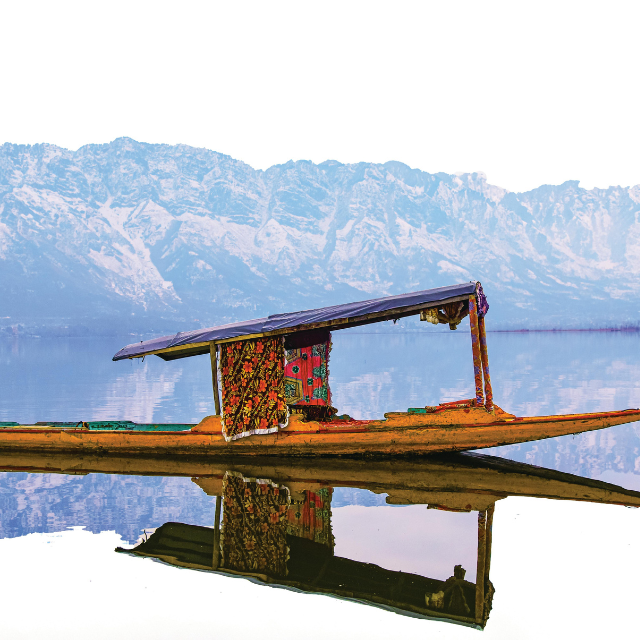
Dal Lake
Dal Lake, often called the "Jewel in the Crown of Kashmir," is one of the most stunning and iconic...
See More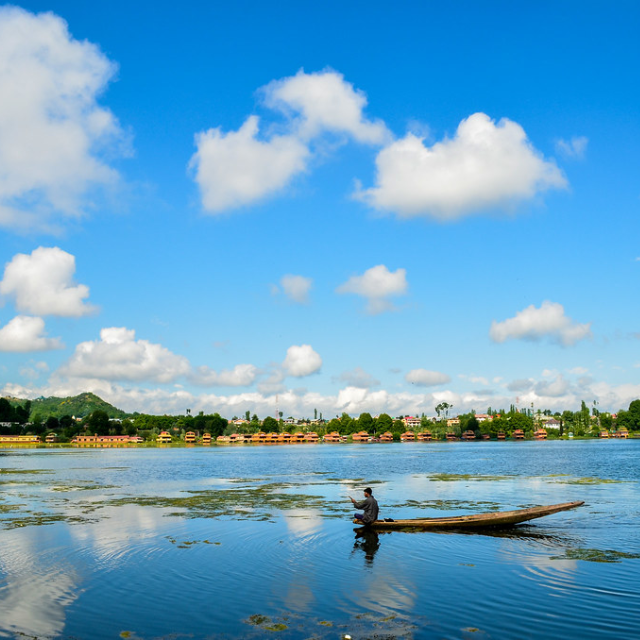
Nigeen Lake
Nigeen Lake, often referred to as the "Jewel in the Ring," is a tranquil and less crowded...
See More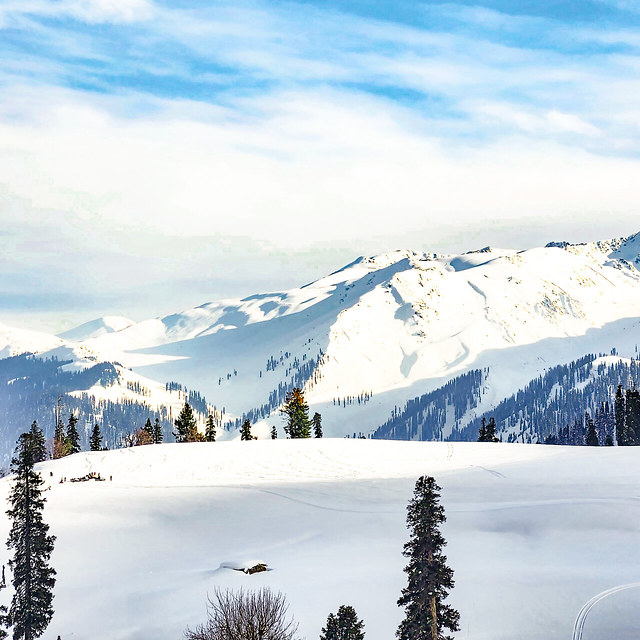
Gulmarg
Gulmarg, meaning "Meadow of Flowers," is one of India's most stunning hill stations, known for...
See More
Sonmarg
Sonmarg, meaning “Meadow of Gold,” is a stunning hill station in Jammu and Kashmir, known...
See More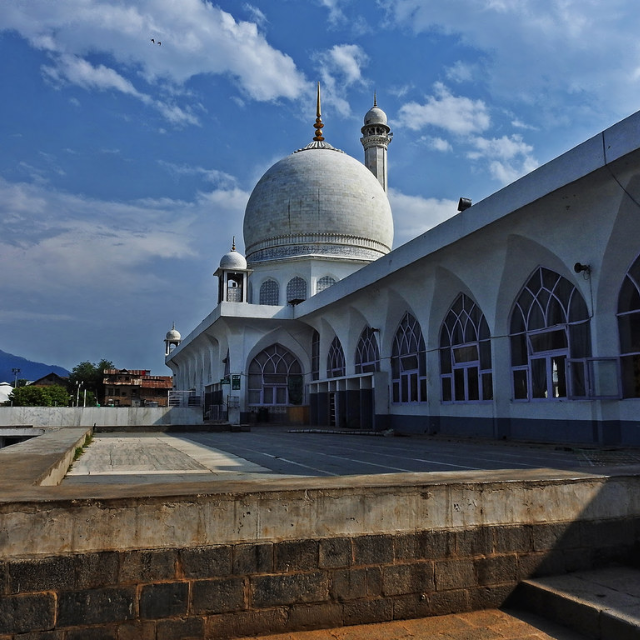
Hazratbal Shrine
The Hazratbal Shrine, situated on the northern shores of Dal Lake, is one of the most revered...
See More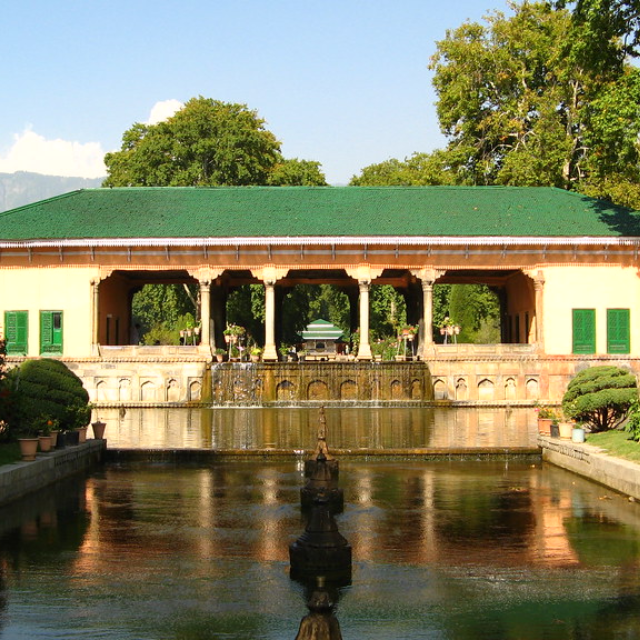
Shalimar Bagh
Shalimar Bagh, also known as the "Garden of Love", is a breathtaking Mughal garden located on...
See More